The master bedroom in 2026 shifts away from purely minimalist aesthetics toward “sensory sanctuary” design. This year emphasizes a blend of tactile organic materials, integrated wellness technology, and bold, earth-derived color palettes that promote deep rest and personal restoration.
1. Curved Architectural Furniture
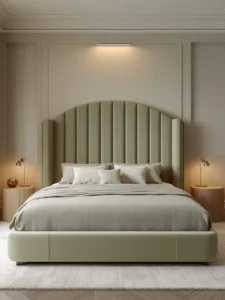
The trend for 2026 moves away from sharp, clinical angles in favor of soft, sweeping curves that mimic natural forms. Curved headboards and rounded nightstands create a sense of flow and safety within the master suite, softening the visual impact of the room. This shift is rooted in neuro-aesthetic principles, where soft shapes are proven to lower stress levels and enhance the feeling of comfort.
To implement this in a residential setting, look for a statement bed frame with a wrap-around winged headboard upholstered in a textured fabric like bouclé or heavy linen. Complement the bed with circular or pill-shaped nightstands rather than traditional rectangular blocks. These rounded edges help break up the rigid lines of a standard bedroom layout, making the space feel more bespoke and curated.
2. Biophilic Slat Wall Paneling
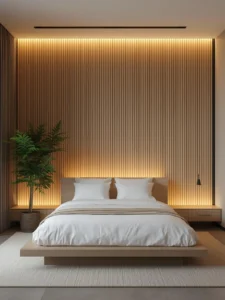
Biophilic design remains a dominant force in 2026, specifically through the use of vertical wood slat paneling behind the bed. This texture adds a rhythmic, organic element to the space that grounds the room in nature while providing acoustic benefits. The use of natural light oak or deep walnut slats creates a sophisticated backdrop that eliminates the need for traditional wall art.
For a real-world application, install floor-to-ceiling wood slats on the primary focal wall to elongate the height of the room. Integrating hidden LED strip lighting between or behind the slats can add a futuristic, soft glow that functions as a nightlight. This design choice works exceptionally well when paired with indoor greenery, such as a large potted olive tree or hanging vines, to complete the organic aesthetic.
3. Monochromatic Earth Tones
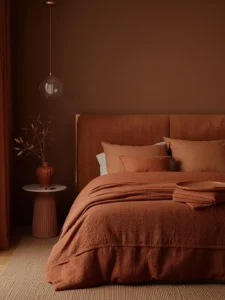
In 2026, the master bedroom color palette leans heavily into saturated, monochromatic earth tones such as terracotta, ochre, and deep clay. This departure from all-white interiors creates a “cocoon” effect, making the bedroom feel intimate and grounded. By using various tones of a single earthy color across walls, bedding, and window treatments, the room achieves a high-end, cohesive look.
To apply this trend, select a base color like “Terracotta” and apply it to the walls in a matte finish. Layer the bed with linen sheets, velvet shams, and wool throws in slightly lighter and darker variations of that same hue. This tonal layering adds depth without the visual clutter of high-contrast patterns, resulting in a sophisticated and tranquil environment.
4. Integrated Smart Wellness Lighting
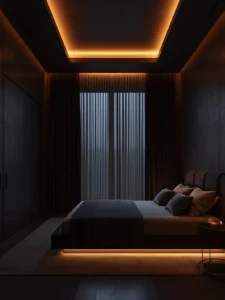
Lighting design in 2026 is no longer just about visibility; it is about circadian health. Integrated smart lighting systems that transition from bright, cool tones in the morning to warm, amber hues in the evening are a staple of the modern master suite. This technology is hidden within architectural details like coves, toe-kicks, and behind headboards to provide a glow that feels invisible yet impactful.
Homeowners can achieve this by installing smart LED strips in recessed ceiling coves or under the bed frame to create a floating effect. Pairing these with automated blackout shades that sync to the light cycle enhances the wellness aspect of the room. The goal is to eliminate harsh overhead fixtures in favor of a layered, automated system that supports the body’s natural sleep-wake cycle.
5. Maximalist Textured Bedding
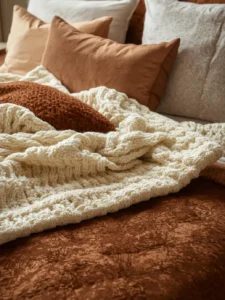
While furniture remains streamlined, bedding in 2026 moves toward maximalist textures. This involves layering heavy-weight fabrics such as quilted velvets, oversized chunky knits, and crinkled linens to create a bed that looks and feels indulgent. The focus is on tactile variety, encouraging a sensory experience that prioritizes comfort above all else.
In your own space, move away from thin, flat duvets. Instead, layer a thick, textured coverlet over your primary duvet and top it with a contrasting oversized knit throw. Mix pillow shams in different materials—for example, pairing smooth silk pillowcases with heavy waffle-weave decorative cushions. This “more-is-more” approach to textiles makes the bed the undisputed center of the room.
6. Stone and Marble Accents
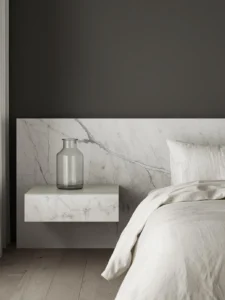
The 2026 master bedroom introduces cold, hard materials like stone and marble to balance the softness of textiles. Integrated marble ledges behind the headboard or solid stone nightstands provide a sense of permanence and luxury. These natural materials act as functional art, bringing unique veining and colors that cannot be replicated by synthetic alternatives.
To incorporate this at home, consider a stone-topped nightstand or a marble plinth used as a decorative stand for a sculpture or plant. If a full renovation is planned, a floor-to-ceiling marble slab behind the bed can serve as a stunning, low-maintenance accent wall. These stone elements cool the room visually and add a sophisticated, modern edge to the space.
7. Sunken Bed Plinths
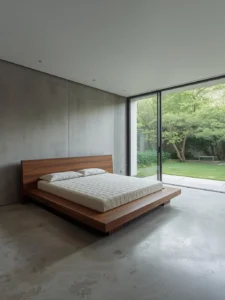
Inspired by Japanese minimalism and 1970s conversation pits, the sunken or low-slung plinth bed is a major layout trend for 2026. By lowering the sleep surface closer to the ground, the room feels taller and more expansive. This design encourages a grounded feeling and a simplified lifestyle, stripping away the bulk of traditional high-bed frames.
In a real home, this can be achieved by using a wide wooden platform base that extends several inches beyond the mattress on all sides. This extra platform space often eliminates the need for traditional nightstands, as it provides a surface for books and lamps. This layout works best in rooms with large windows, as it keeps the sightline low and unobstructed.
8. Integrated Home Office “Clutter-Cores”
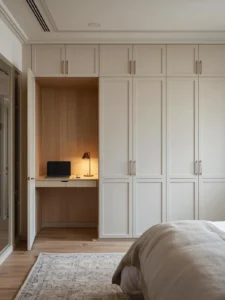
As remote work becomes a permanent fixture, 2026 bedroom design includes integrated, hidden workspaces. Unlike the clunky desks of the past, these are “clutter-cores” or “cloffices” (closet offices) that can be completely closed off when the workday ends. This allows the master bedroom to remain a work-free zone for the mind, even if a desk is physically present.
To apply this, look for cabinetry that matches your bedroom wardrobes but opens to reveal a desk, task lighting, and shelving. Using the same wood finish or paint color for the office unit as the rest of the bedroom furniture ensures the piece disappears when the doors are shut. This is essential for maintaining the mental boundary between productivity and rest.