
If your patio feels more like an afterthought than a room you actually use, these summer patio decor ideas 2026 are here to change that. This guide covers 10 distinct outdoor design directions — each with practical layout logic, material guidance, and honest advice on what to skip. Whether you’re working with a compact balcony or a sprawling backyard, you’ll leave with a clear direction, not just a mood board.
1. The Low-Slung Lounge: Ground-Level Seating That Anchors the Whole Patio
There is a reason ground-level seating has quietly taken over modern outdoor design. When furniture sits low — floor cushions, platform frames, modular sectionals close to the ground — the entire patio feels more expansive. The eye travels outward instead of stopping at furniture backs. It reads as deliberate, not default.
This layout works especially well on square or rectangular patios where standard furniture tends to crowd the center. A low U-shaped arrangement with a flat concrete or stone coffee table in the middle creates a natural gathering point. The setup invites people to settle in, not perch.
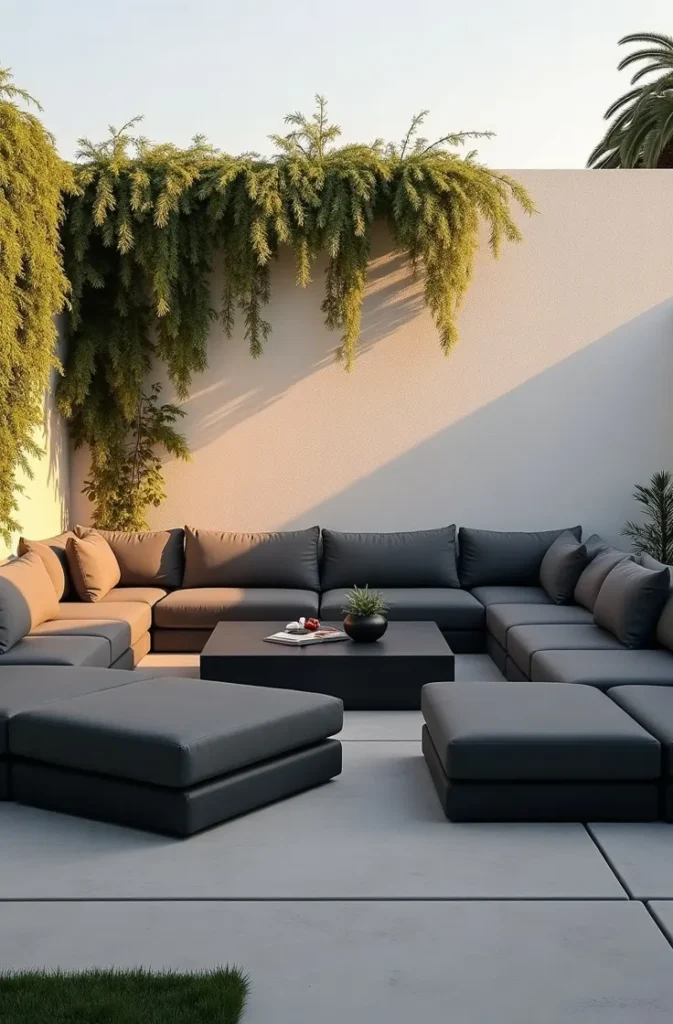

The mistake most people make here is choosing cushions that are too thin. Low seating demands at least 4–5 inches of cushion depth, or the look becomes uncomfortable and people stop using the space. Use weather-resistant foam wrapped in solution-dyed acrylic fabric — it holds color through sun and rain without fading into that washed-out look by August.
This direction is best for patios where you want the outdoor space to function as a true living room extension. If your patio is elevated or has a strong view, consider whether low seating lets you actually see it — sometimes mid-height is the better call.
2. The Tonal Neutral Patio: Sand, Stone, and Warm White Working as One
Color trends come and go, but the tonal neutral outdoor palette is one of the strongest directions heading into summer 2026. The idea is not beige by default — it is a considered layering of warm whites, raw linen, sandy terracotta, and bleached wood all within the same temperature range. The result is a patio that feels calm without feeling cold.
What makes this work is contrast through texture, not color. A rattan chair, a jute rug, a woven cushion, and a smooth concrete side table are all visually similar in tone but entirely different to the touch. The eye reads variety without chaos.
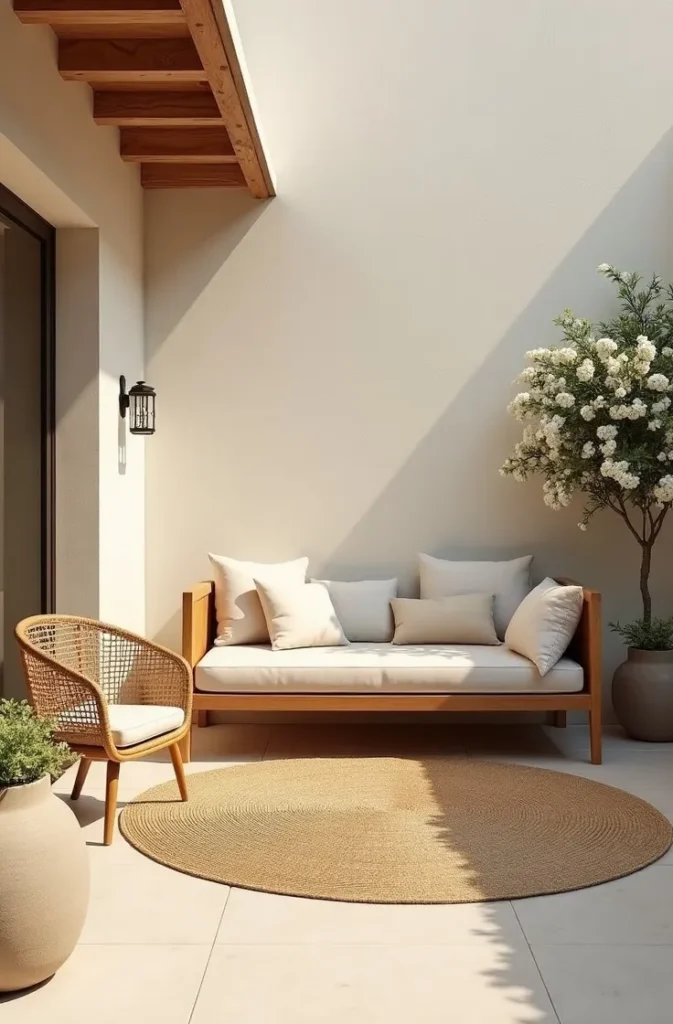
This palette is particularly effective on patios that have limited natural shade. Lighter tones reflect heat instead of absorbing it, which means the space stays more usable during peak afternoon hours. It also photographs extremely well in direct sunlight — important if this patio is a space you want to show off.
Where this goes wrong: when the neutrals are all the same undertone and the same material. An all-beige-plastic setup is not a tonal palette — it is just beige. The variation in material weight, weave, and finish is what gives the look depth.
3. The Pergola Dining Room: Turning an Outdoor Table Into a Destination
Most outdoor dining tables get used twice a summer. The reason is almost never the furniture — it is that the space around the table does not feel enclosed enough to make staying worthwhile. A pergola structure, even a freestanding one, changes that entirely.
When a dining table is placed under a pergola — especially one with climbing plants, shade fabric, or slatted wood overhead — it creates what designers call a “room within a room.” The vertical definition makes people feel settled rather than exposed. Meals last longer. The space gets used more.
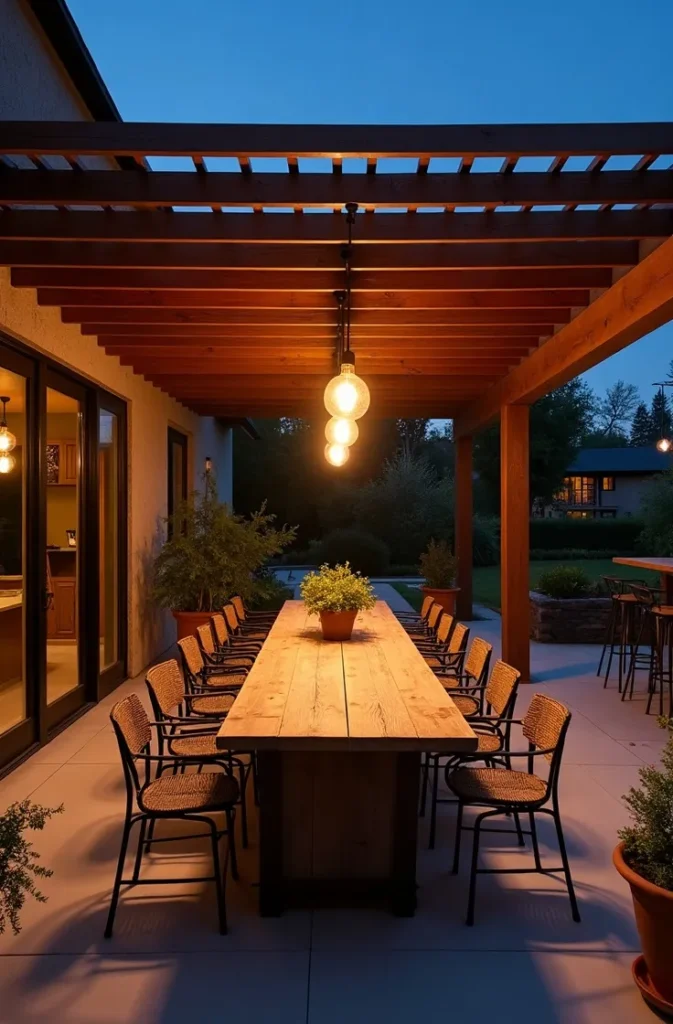
For 2026, the most interesting pergola direction skips the traditional white vinyl in favor of powder-coated steel or dark-stained Douglas fir. These materials photograph well, hold up against UV, and feel architecturally intentional rather than catalogue-standard.
The table itself matters: a long rectangular format seats more people and encourages conversation. Pair it with mismatched chairs in the same tonal family — some wood, some metal — to avoid the look of a patio set that came in a box. Add pendant lighting that is rated for outdoor use and hang it low over the table. This single move will extend how late the space gets used into evening hours.
4. The Tiny Patio That Works: Small-Space Design Using Vertical and Corner Strategy
The most underused outdoor spaces in the United States are small balconies and narrow side patios — not because they cannot be designed well, but because most people scale down the wrong things. Fewer items, smaller furniture, same problems.
What actually works in compact outdoor summer spaces is corner anchoring combined with vertical layering. Place a bistro set or small curved loveseat in one corner, then build upward: a wall-mounted planter shelf, a narrow vertical trellis with trailing greenery, or a pegboard system with hooks for lanterns and small pots. This pulls the eye up and makes the footprint feel intentional rather than tight.
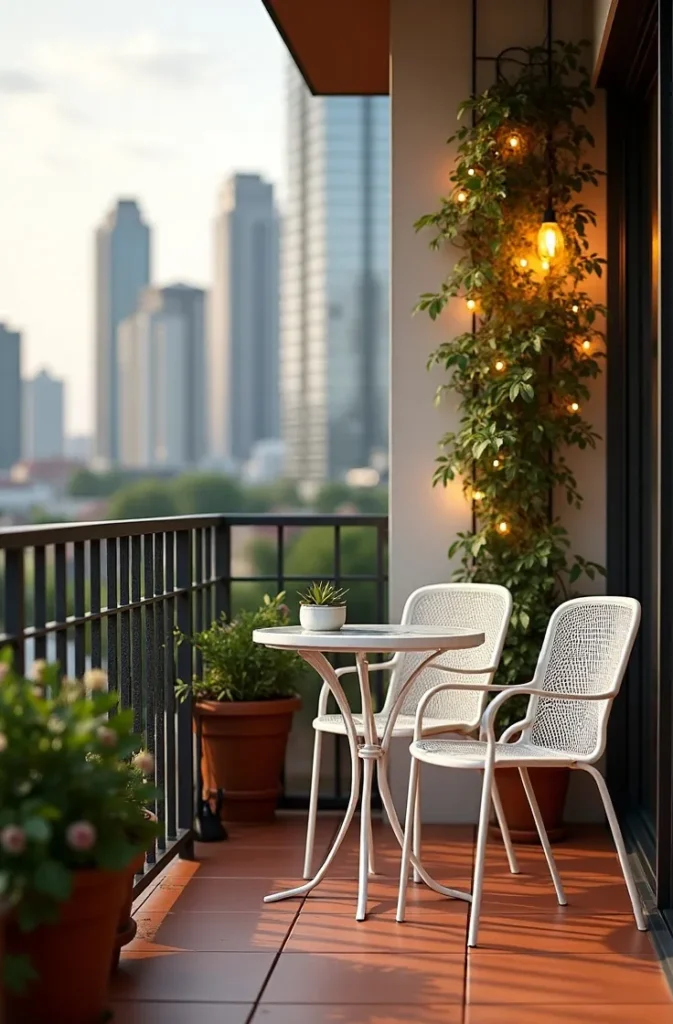
Choose furniture with exposed legs or open frames — solid-looking pieces in small spaces feel heavy. A small glass-top table or a folding side table that can tuck away when not needed gives you flexibility without sacrificing the look.
This setup is ideal for urban apartments, townhouse balconies, and side yards. For these spaces, scale matters more than quantity. One well-chosen outdoor chair you actually use is better than four pieces that turn the area into an obstacle course.
5. The Concrete-and-Steel Patio: Industrial Outdoor Design Done Right
Industrial outdoor design is one of the harder aesthetics to execute well because it risks looking unfinished rather than intentional. The difference comes down to softening. Raw concrete, powder-coated steel, and weathered metal work outdoors when they are balanced with organic elements: a potted olive tree, a linen-covered cushion, a worn wooden stool.
For summer patio decor ideas 2026, this direction is gaining real traction in urban homes and modern farmhouse exteriors. The visual logic is contrast: the hardness of the materials makes the softness of any organic element read more clearly. A single large monstera in a raw concrete planter next to a steel-frame sofa is more striking than the same plant surrounded by wicker.
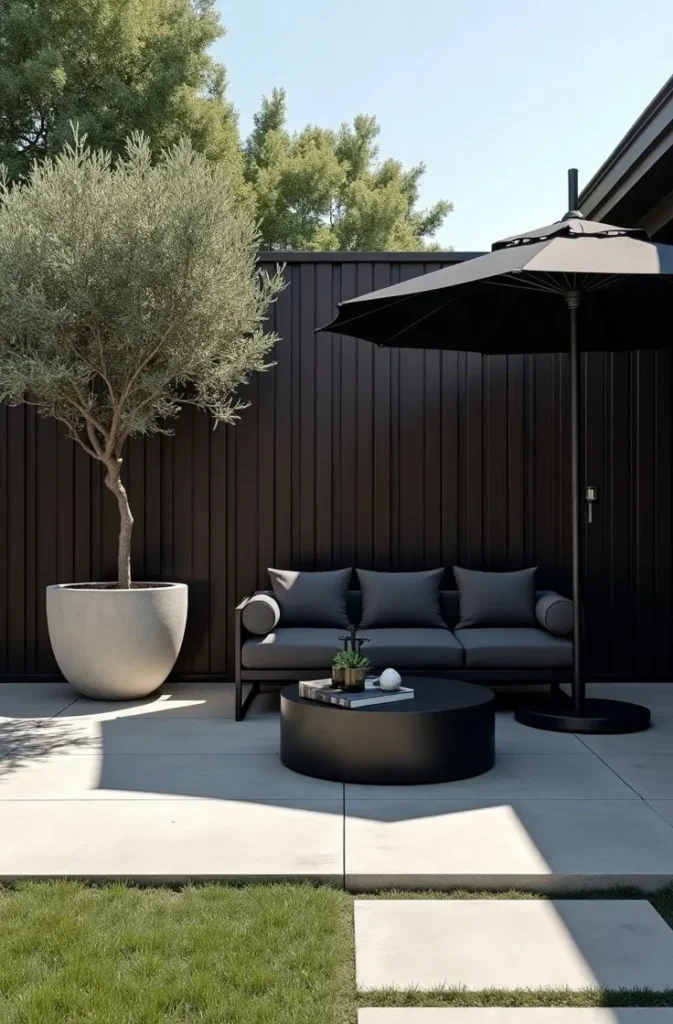
The layout that works best here is asymmetrical and open. Do not try to fill every corner. Leave negative space. The empty areas are part of the design — they signal confidence, not incompleteness.
Functional note: concrete surfaces and steel furniture heat up significantly in direct afternoon sun. Shade is not optional in this direction — either a freestanding umbrella (matte black frame, canvas canopy in slate or black) or a tensioned shade sail overhead. Without it, the space becomes unusable between noon and 4pm in most US climates.
6. The All-Day Shade Structure: Designing a Patio That Functions in Full Sun
Most patios in the American South and Southwest go unused from June through August not because the design is wrong, but because there is no shade. If a patio cannot be used between 10am and 5pm, it is not functioning — it is decorating. Shade infrastructure is not a secondary consideration. For summer 2026 patio design, it is the primary one.
The options have improved significantly. Tensioned shade sails in UV-blocking HDPE fabric are the most flexible — they can be rigged at angles to block sun from multiple directions simultaneously. A sail set at a 15-degree tilt deflects direct overhead sun while still allowing airflow. Pair two overlapping sails in complementary neutrals for a layered look that reads as designed rather than pragmatic.
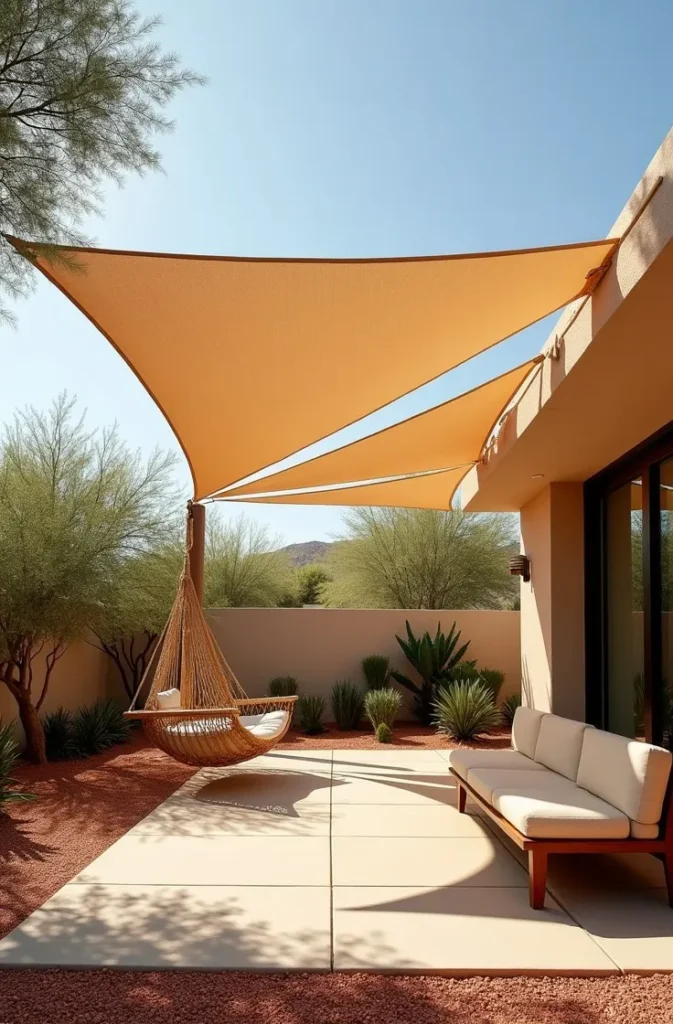
For more permanent structures, consider a motorized pergola with adjustable louvered panels. These allow you to open for light in the morning and close against afternoon heat — the equivalent of a roof that responds to the weather. They represent a significant investment but transform the usability of the space.
The seating beneath should prioritize breathability: open-weave fabrics, elevated designs that allow airflow beneath cushions, and furniture without solid backs that trap heat. This is where material choice becomes functional, not just aesthetic.
7. The Moody Outdoor Evening Space: Designing Specifically for After Dark
Most patios are designed for daytime and then receive a string of lights as an afterthought. For 2026, the more interesting design direction inverts this — building the space primarily around evening use and letting daylight be secondary.
This means lighting is planned before furniture, not added after. Layer three types: ambient (overhead string lights or lanterns on a dimmer), task (a low outdoor floor lamp beside seating for actual visibility), and accent (uplighting aimed at a tree or architectural element for drama). When all three are working together, the patio creates a mood that no amount of daytime furniture arrangement can replicate.
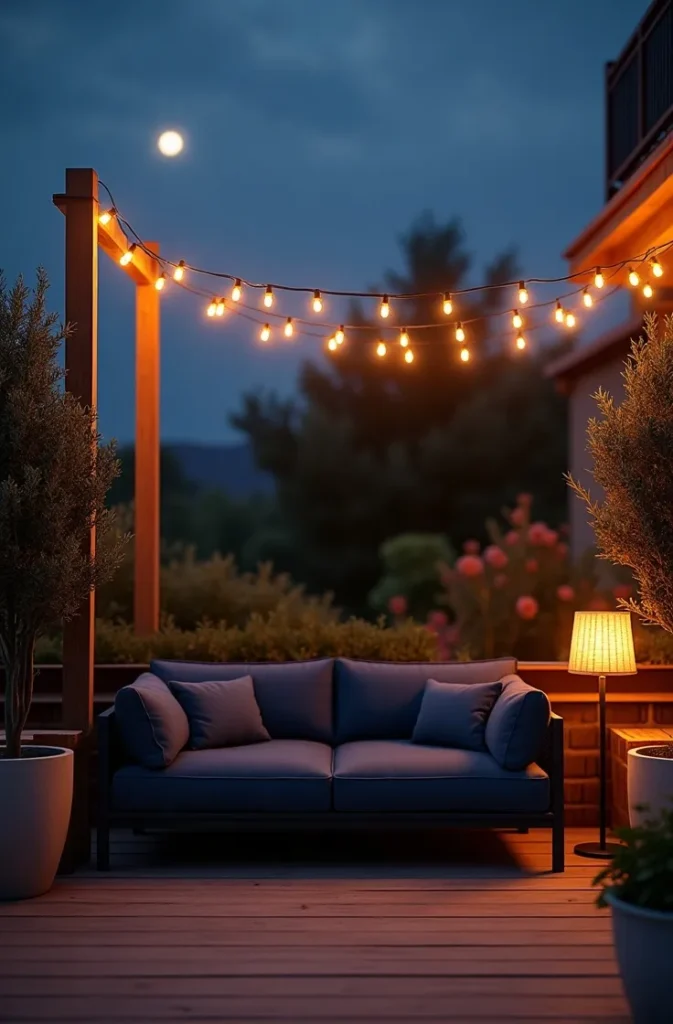
The palette shifts too. Darker materials — navy cushions, black frames, deep olive planters — absorb daylight but become rich and dimensional under warm artificial light. This is the patio that photographs best at 8pm, not noon.
Avoid solar-only lighting if you are serious about this direction. Solar fixtures rarely produce enough lumens to actually illuminate a space — they create ambiance at best. Hardwired or plug-in outdoor lighting gives you control over brightness and is the difference between a space that feels designed and one that feels improvised.
8. The Kitchen-Adjacent Patio: Outdoor Dining That Connects to the Interior
One of the most functional summer patio layouts is the one that removes the distance between kitchen and outdoor table. When a patio sits directly off the kitchen — accessible through a sliding or folding door — the outdoor space gets used every single day instead of just on special occasions. The friction of carrying food from inside kills outdoor dining more than bad weather does.
This layout requires thinking about the threshold. The transition from indoor floor to outdoor surface needs to be smooth and at the same level, or the space reads as two separate zones rather than one connected space. Flush transitions with a consistent material palette on both sides — the same tile running in and out, or interior hardwood meeting exterior wood decking at the same height — is what makes the indoor-outdoor connection feel seamless.
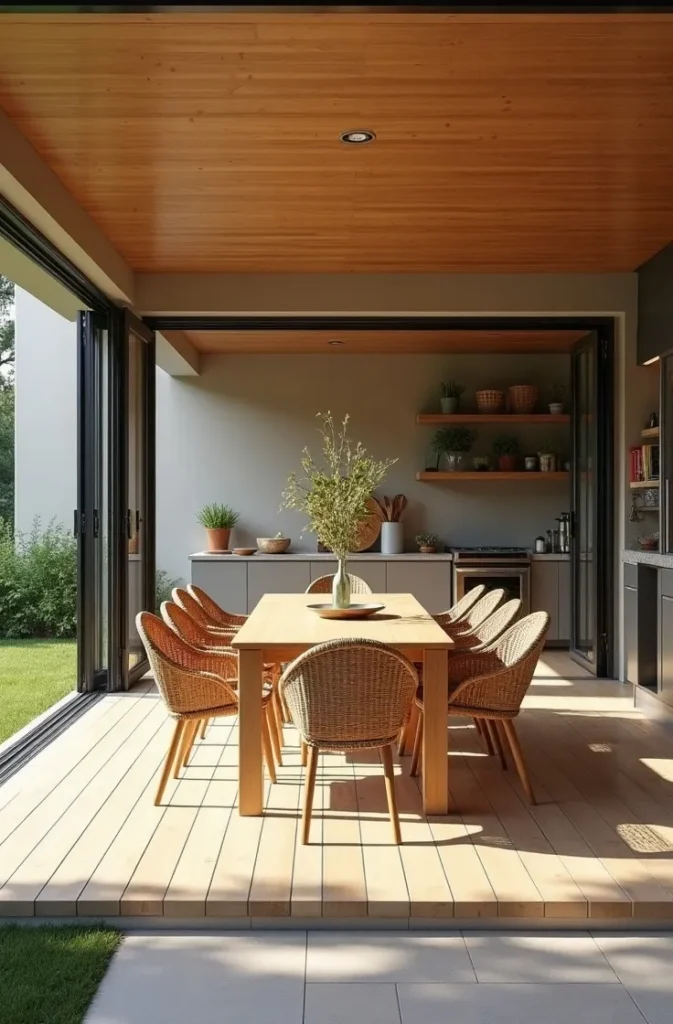
For the patio itself, this is where an outdoor kitchen bar or simple prep station becomes worth it. Even a small narrow counter with a built-in grill or a portable bar cart at the edge of the covered area reduces trips back inside by half. A patio used daily is a patio worth investing in.
This layout works best in homes where the kitchen faces a yard rather than a street. If your kitchen is interior-facing, consider a pass-through window as a low-cost alternative — it creates the same functional connection without a full reconfiguration.
9. The Layered Outdoor Rug Strategy: How Textiles Define Zones Without Walls
An outdoor rug does not just add softness — it defines the boundary of a seating area, making it read as a room rather than furniture placed on a patio. When you remove the rug from an outdoor seating arrangement, the furniture looks like it is floating. When you add it back, the space makes sense. This is the simplest and most cost-effective upgrade in outdoor design.
For patios with multiple functions — dining on one side, lounging on the other — two separate rugs create two distinct zones. This is how you make a large patio feel curated rather than oversized and underfurnished. The rugs do not need to match, but they should share a color or material thread to keep the space cohesive.
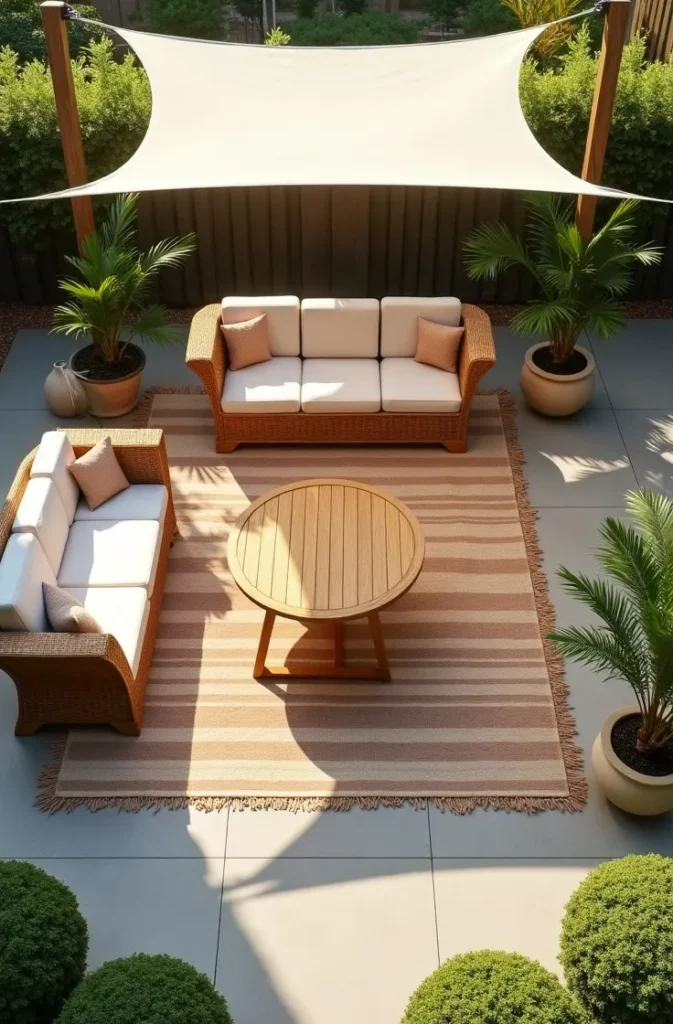
In 2026, the most successful outdoor rug direction is low-pile, flatweave, and oversized. Pattern options that work well: tonal stripes in sand and white, geometric grids in warm neutrals, or solid textured weaves in terracotta or slate. What does not hold up: dark navy or black rugs in sun-exposed areas — they absorb heat and fade quickly. Stick to mid-tone or lighter palettes for longevity.
Choose polypropylene construction for all-weather use. It resists mold, dries fast, and holds texture better than recycled PET alternatives. Size up when in doubt — most people choose rugs that are too small, which makes the seating arrangement look tentative rather than confident.
10. The Single Statement Plant Strategy: Bold Greenery as Architecture
The most common mistake in outdoor plant styling is quantity: too many small plants scattered without a logic. The direction that reads as designed is the opposite — one or two large, architecturally bold plants used as structural anchors, with smaller plants as secondary accents only where they add to the composition.
For summer 2026 patio design, the plants doing the most visual work are: large-format Agave in raw concrete planters, potted olive trees flanking an entry or sofa, tall ornamental grasses in clusters for soft movement, and oversized Bird of Paradise where the climate allows. These are not background plants. They are the equivalent of sculpture.
This approach also solves a practical problem. Large plants in oversized containers are more drought-tolerant than small plants in small pots — the soil mass retains moisture longer, meaning less frequent watering and more resilience during summer heat waves.
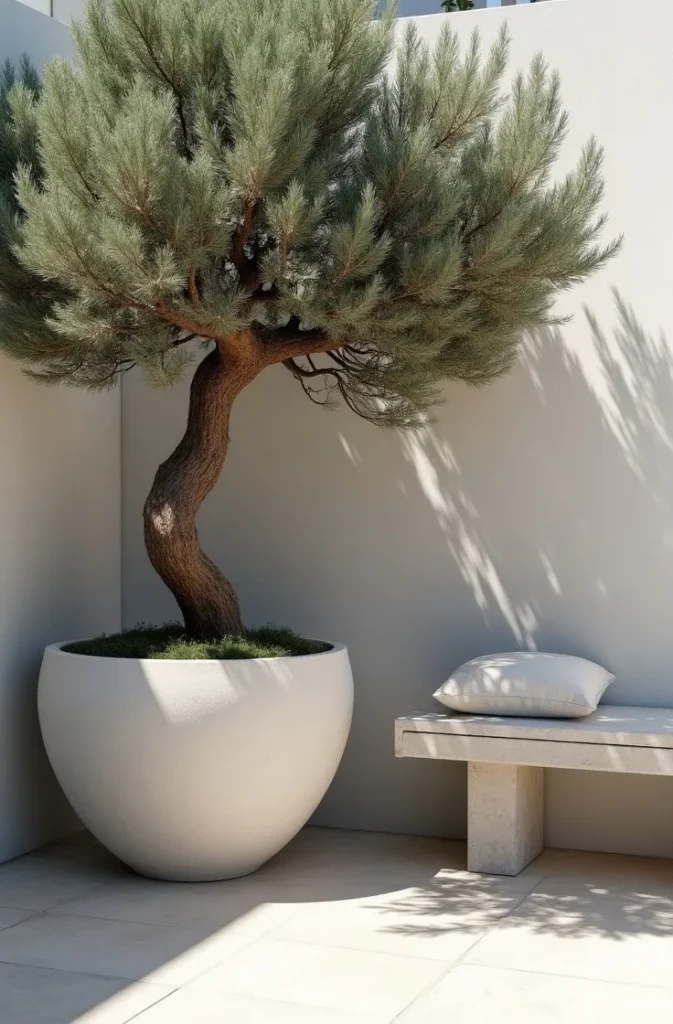
Place your anchor plant first, before any furniture is arranged. Let the plant determine where seating goes, not the other way around. This creates outdoor compositions that feel intentional — where the greenery and the furniture are in conversation rather than coexisting by accident.
If your patio has zero natural light or is fully shaded, architectural plants still work. Swap sun-loving Agave for large Caladiums, shade-tolerant ferns in architectural pots, or topiary boxwood in geometric containers.
Final Thoughts: Building a Patio That Works for You, Not Just for a Photo
The best summer patio decor ideas for 2026 are not about following a single aesthetic — they are about understanding which design decisions actually improve how often and how comfortably you use the space. Shade before furniture. Layout before accessories. Material logic before color trends.
If this post helped you clarify a direction for your outdoor space, save it to your Pinterest board now — it is the kind of reference worth coming back to when you are ready to make specific decisions. Each of the 10 ideas here works independently, but many can be layered together: a tonal neutral palette on a kitchen-adjacent patio with an anchor plant and proper shade structure is one of the strongest outdoor design combinations available in 2026.
Explore more outdoor and patio layout ideas to keep building your vision — and make every design decision one you will still stand behind at the end of summer.