
There is a specific feeling a cloud sofa gives a room that no other piece of furniture can replicate, and once you have seen it in person, a stiff-backed traditional sofa starts to look almost unfriendly by comparison. If your living room feels put-together but not lived-in, the problem usually isn’t your color palette or your art — it’s that nothing in the room actually invites you to sink into it. These twelve layouts and styling ideas show you exactly how to bring that oversized, sink-in, cloud-like softness into a real home, without turning your living room into a furniture showroom.
The Low-Slung Cloud Sofa Trick That Makes an Average Ceiling Feel Taller
The biggest misconception about cloud sofas is that they need a huge, soaring living room to work. In reality, the opposite is true. A cloud sofa with a low back and deep, relaxed seat cushions actually creates the illusion of more vertical space, because it lowers the visual “furniture line” in the room and leaves more open wall above it.
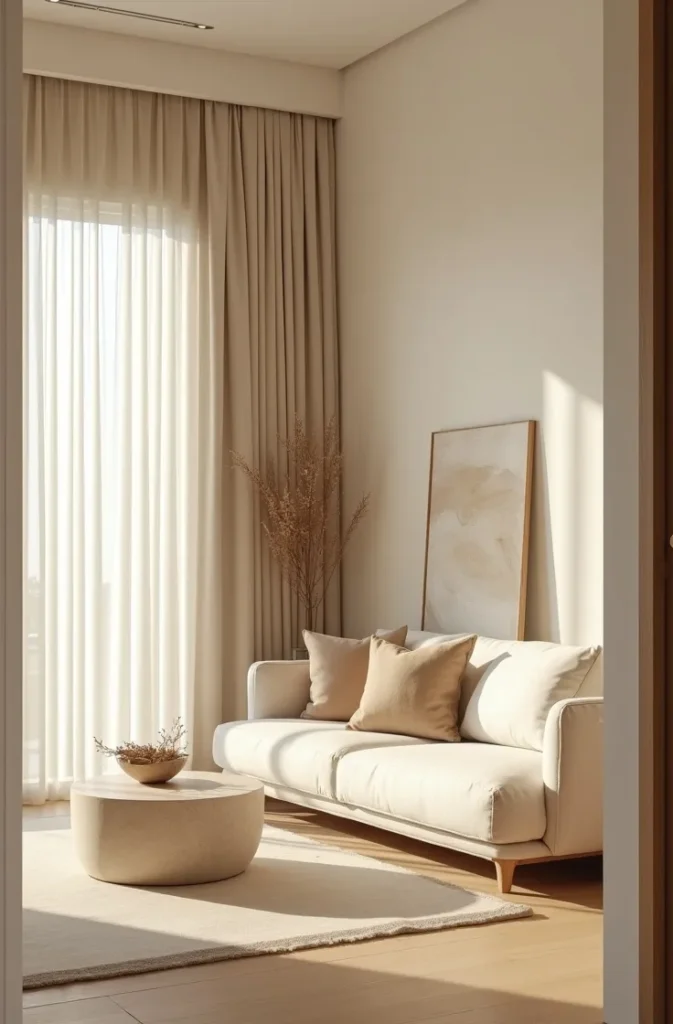
This works especially well in California bungalows and older Midwest starter homes, where ceiling heights often sit under nine feet and a tall, boxy sofa can make the room feel capped. The mistake most people make is compensating for a low sofa with tall, chunky side tables — this cancels out the effect.

Keep everything around the sofa low and let the height happen above it, with a single tall floor lamp or a piece of leaning art doing the vertical work instead. Picture walking into your living room and feeling the ceiling lift, simply because the sofa stopped competing with it.
Why an Oversized Cloud Sofa Belongs in the Corner, Not the Center
Most living rooms default to floating the sofa in the middle of the room facing a TV, but with an oversized cloud sofa, that layout eats up walking space fast and leaves the piece feeling stranded rather than anchored. Pulling the sofa into a corner instead lets its scale work in your favor — it hugs two walls, frees up the center of the room for movement, and turns the remaining open floor into a flexible zone for a rug, a low table, or floor cushions.
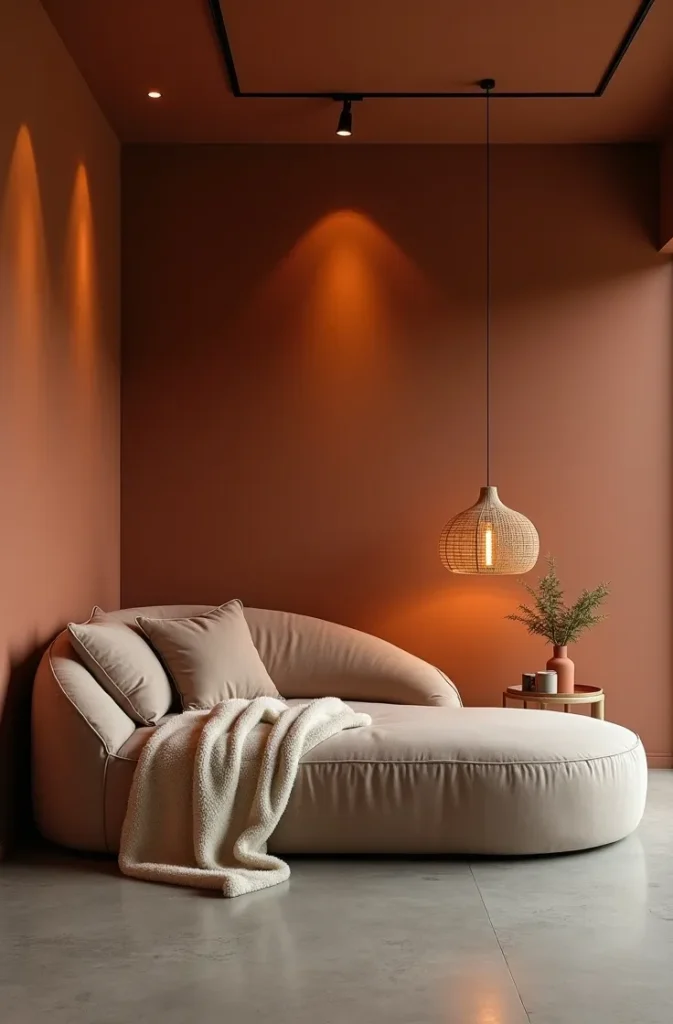
This layout works best for apartment renters and anyone in a rectangular New York studio living room where every square foot of walking path matters. What Pinterest photos rarely show is that a corner-anchored cloud sofa needs at least eighteen inches of clearance on its open side, or the room starts to feel like an obstacle course instead of a lounge. Once it’s anchored correctly, the rest of the room can breathe around it.
The Modular Cloud Sofa Layout That Changes Shape as Your Life Does
A modular cloud sofa is one of the few furniture investments that actually adapts instead of forcing you to adapt around it. Because the sections separate and reconfigure, you can run it long against a wall for movie nights, break it into an L-shape for everyday lounging, or pull a single chaise piece into a reading corner near a window entirely on its own.
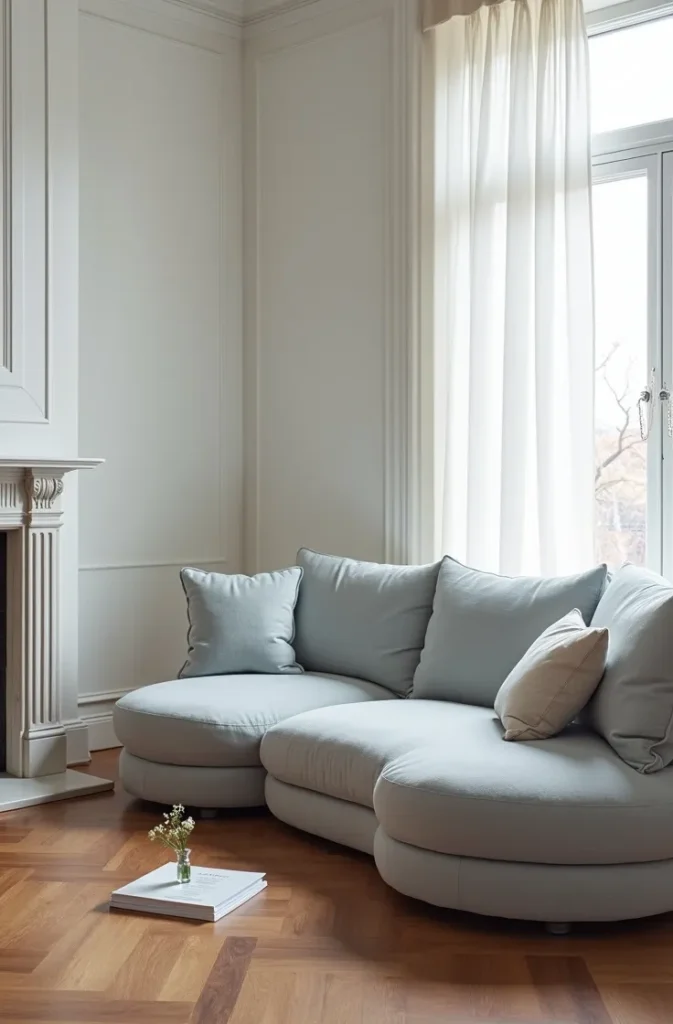
This flexibility makes it the strongest choice for anyone who moves apartments often or who shares a smaller space with a partner and needs the room to serve two different moods in one day. The mistake to avoid is buying modular pieces that don’t have a matching depth — mismatched seat depths make the “cloud” silhouette look broken up rather than continuous. Before you buy, confirm every module shares the same cushion height and depth, so however you rearrange it, the line stays soft and unbroken.
What Actually Makes a Sofa Look “Cloud” Instead of Just Oversized
There’s a real design mechanic behind why some oversized sofas photograph like clouds and others just look bulky, and it comes down to cushion construction, not size. True cloud sofas use a feather-and-foam-blend cushion insert that compresses under weight and then slowly, softly re-puffs — this is what creates that rumpled, sink-in look even when no one is sitting on it.
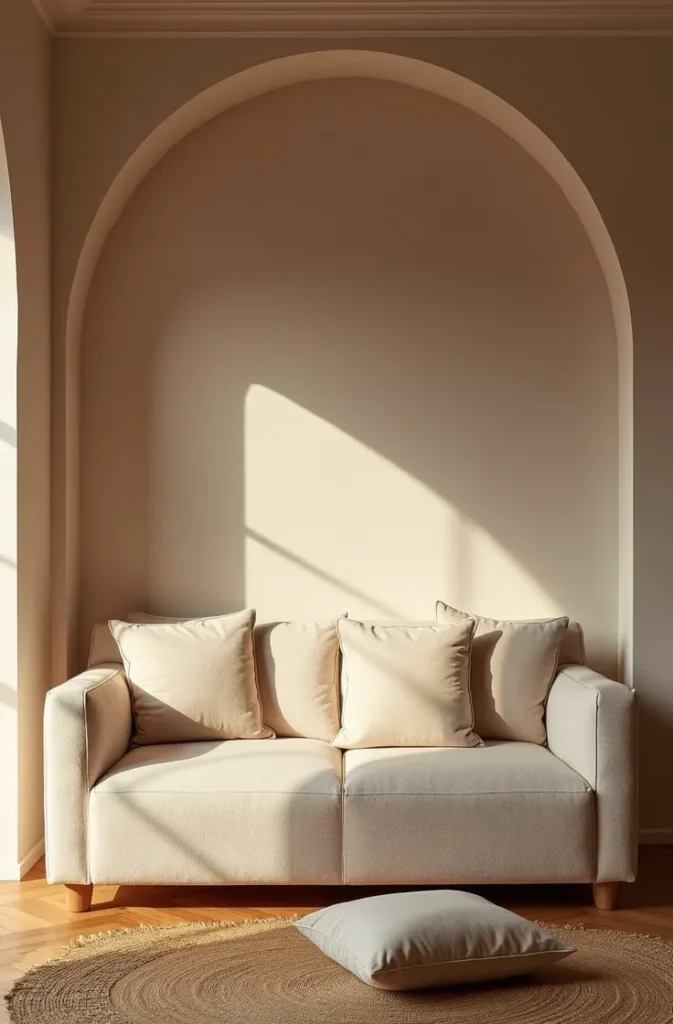
A firm foam cushion, no matter how large the sofa frame is, will always look stiff and structured rather than cloud-like. This detail matters most for anyone shopping online without being able to test the piece in person, which describes most small bedroom and studio bedroom furniture shoppers today.
Before buying, check the fill specification directly rather than trusting the photos, since staged product photos are almost always manually fluffed for the shot. Understanding this one detail will save you from the single most common cloud sofa disappointment.
The Floating Cloud Sofa Placement That Makes a Studio Feel Zoned
In a studio apartment, one of the hardest problems to solve is making the living area feel like its own distinct zone without adding walls. Floating a cloud sofa away from the perimeter wall, with its back facing the sleeping or dining area, does exactly that — it acts as a soft, upholstered room divider instead of a hard architectural one.
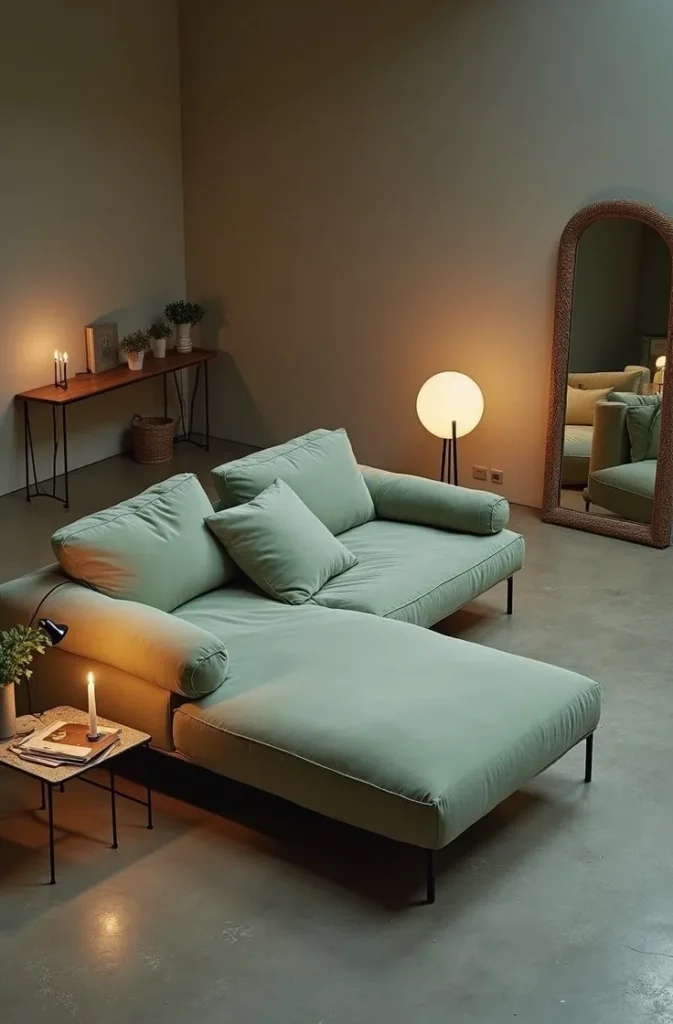
This works because the eye reads the back of the sofa as a boundary line, even though there’s nothing solid stopping the view. It’s an especially strong solution for studio bedroom layouts where every zone has to share one open floor plan.
The mistake people make here is leaving the back of the sofa bare and unstyled, which makes it read as clutter rather than intention from the other side of the room. Dress the back with a slim console table and a low lamp, and the divider effect becomes obvious immediately.
Why a Curved Cloud Sofa Solves the Problem a Straight One Never Will
Straight, boxy sofas force a room into rigid right angles, and in a lot of homes — especially older Texas ranch-style houses with slightly irregular room shapes — that rigidity fights the architecture instead of working with it. A curved cloud sofa softens the whole floor plan by echoing the kind of organic movement you’d normally only get from a rug or a piece of art.
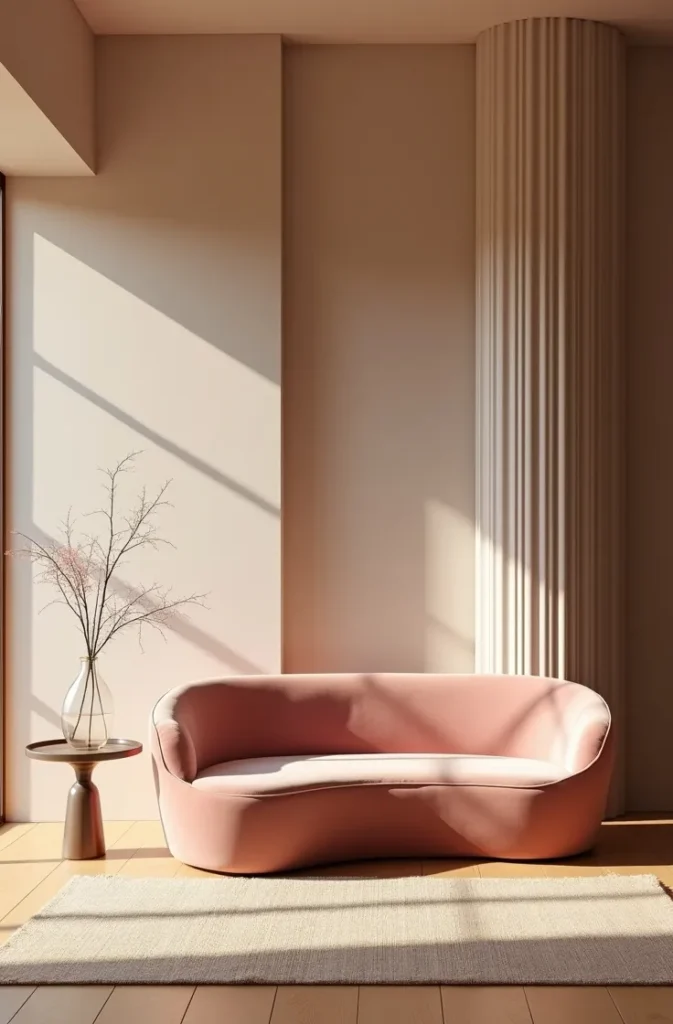
The curve also does something practical: it opens sightlines around itself, so the sofa doesn’t block the flow of foot traffic the way a straight edge does when it’s placed at an angle. This layout works especially well in living rooms that connect to a kitchen or hallway, where a straight sofa edge would create a hard stop.
The one thing to avoid is pairing a curved sofa with an equally curved rug — let one shape lead and the other stay simple, or the room starts to feel like it’s spinning.
The Two-Cloud-Sofa Layout That Works Better Than One Giant Sectional
When a living room is wide but shallow, a single giant sectional often ends up pushed against one wall with a dead, unused stretch of floor across from it. Splitting the seating into two smaller cloud sofas facing each other, instead of one massive sectional, fills that width intentionally and creates a genuine conversation layout instead of a “watch the TV” layout.
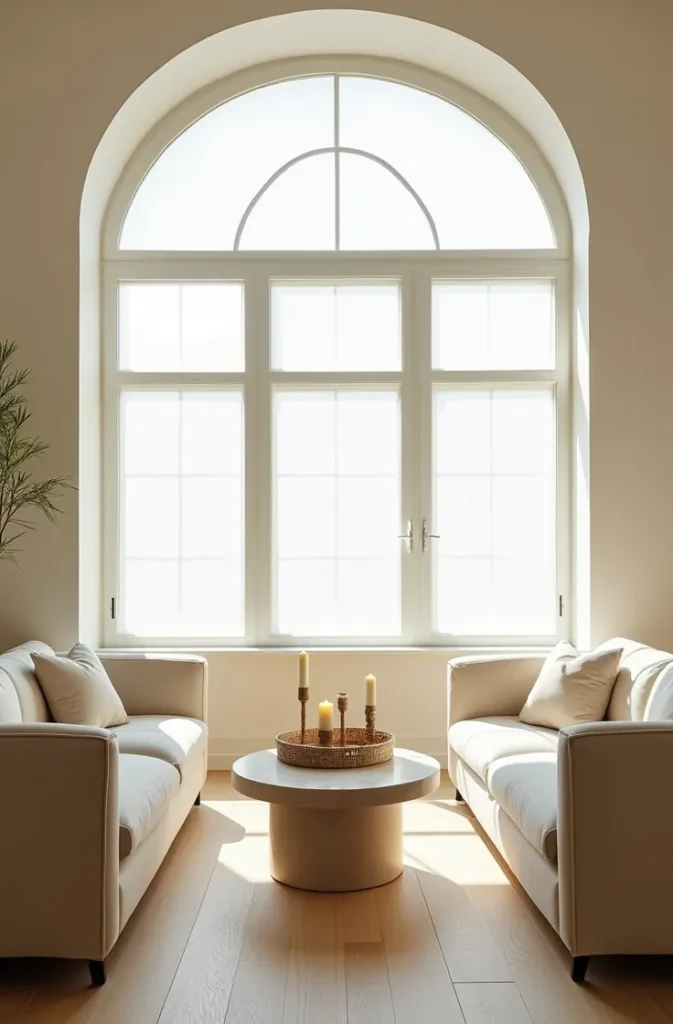
This is one of the most underused tricks for wider living rooms in Texas ranch homes and larger apartment layouts, where the room’s proportions don’t naturally suit a single long piece. The mistake to avoid is choosing two mismatched sofa styles thinking it will look “eclectic” — with cloud sofas specifically, the soft, puffy silhouette needs to repeat on both sides or the layout reads as unfinished. Choose the same sofa in the same fabric for both, and let a coffee table sit low and central between them.
How to Style a Cloud Sofa So It Doesn’t Swallow a Small Room
The fear with any oversized, deep-seated sofa is that it will overwhelm a smaller living room, and that fear is legitimate if you style it the wrong way. The trick is contrast in scale everywhere else in the room — pairing the cloud sofa with a low, slim coffee table and delicate, thin-legged side tables keeps the rest of the furniture from competing with the sofa’s volume.
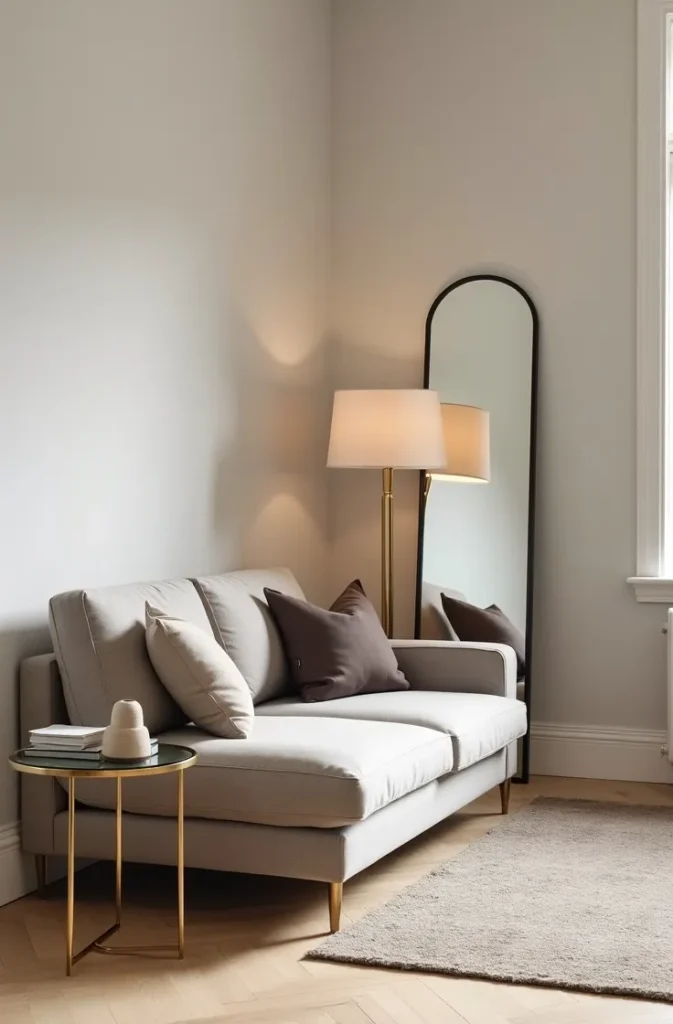
When everything else in the room is visually light, the sofa reads as the intentional star rather than a piece that’s crowding the space. This matters most for smaller apartment living rooms and secondary sitting areas where floor space is genuinely limited.
What Pinterest photos rarely show you is that a rug too small for the layout is what actually makes an oversized sofa look cramped, not the sofa itself. Size the rug so at least the front two legs of every other piece sit on it, and the whole room instantly reads as considered rather than tight.
The Window-Facing Cloud Sofa Layout That Changes How a Room Feels All Day
Most people default to facing the sofa toward the TV without considering where the light falls throughout the day, but a cloud sofa positioned to face or angle toward a window earns its keep twice — once as a place to watch a screen in the evening, and once as a genuine reading and lounging spot during the day when the light is at its best.

This layout works especially well with south- or west-facing windows, where afternoon light rakes across the room and makes the sofa’s texture and softness visible in a way that a flat-front, TV-facing layout never shows off. It’s one of the simplest EEAT-level truths in small bedroom and small living room layout ideas for women that Pinterest boards rarely mention.
The mistake to avoid is placing the sofa directly against the window wall, which blocks the light source it’s supposed to be enjoying — pull it a few feet in, angled toward the glass instead.
Why a Cloud Sofa in a Bold Color Works Better Than a Neutral One in Small Spaces
The instinct in a small living room is always to go neutral, on the theory that a light-colored sofa will make the room feel bigger. In practice, a cloud sofa in one confident, saturated color — a deep sage, a dusty terracotta, a warm rust — often reads as more spacious, because it gives the eye one clear, deliberate focal point instead of asking it to search the room for visual interest.
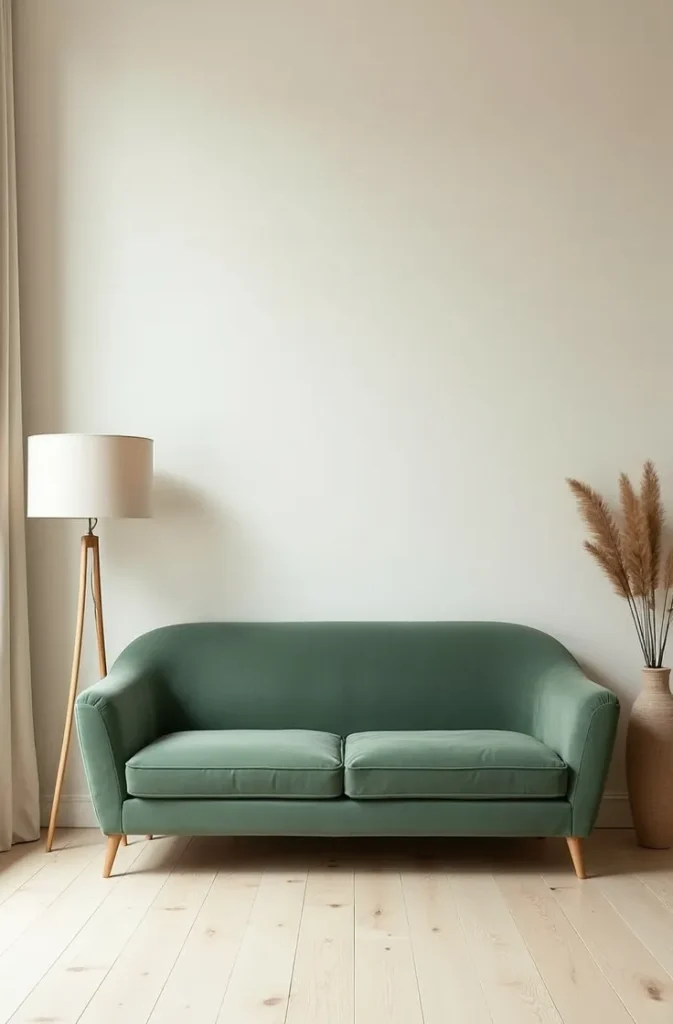
A room full of neutral tones with no anchor can actually feel more cluttered and undefined than one built around a single bold, well-chosen piece. This works particularly well in smaller apartment living rooms and Midwest starter home living spaces where the furniture doubles as the room’s main design statement.
The mistake to avoid is adding two or three other bold colors to compete with it — let the sofa be the loudest thing in the room and keep the walls, floor, and secondary textiles quiet around it.
The Cloud Sofa and Floor Cushion Combination That Doubles Your Seating Without Buying More Furniture
When a living room needs to host more people than the sofa alone can seat, buying a second sofa or a bulky armchair often crowds a small floor plan past the point of comfort. Pairing a cloud sofa with a few oversized floor cushions in the same soft, puffy family solves this without adding hard furniture lines to the room — the cushions can be pulled out for guests and tucked against the base of the sofa the rest of the time, almost disappearing into the layout.
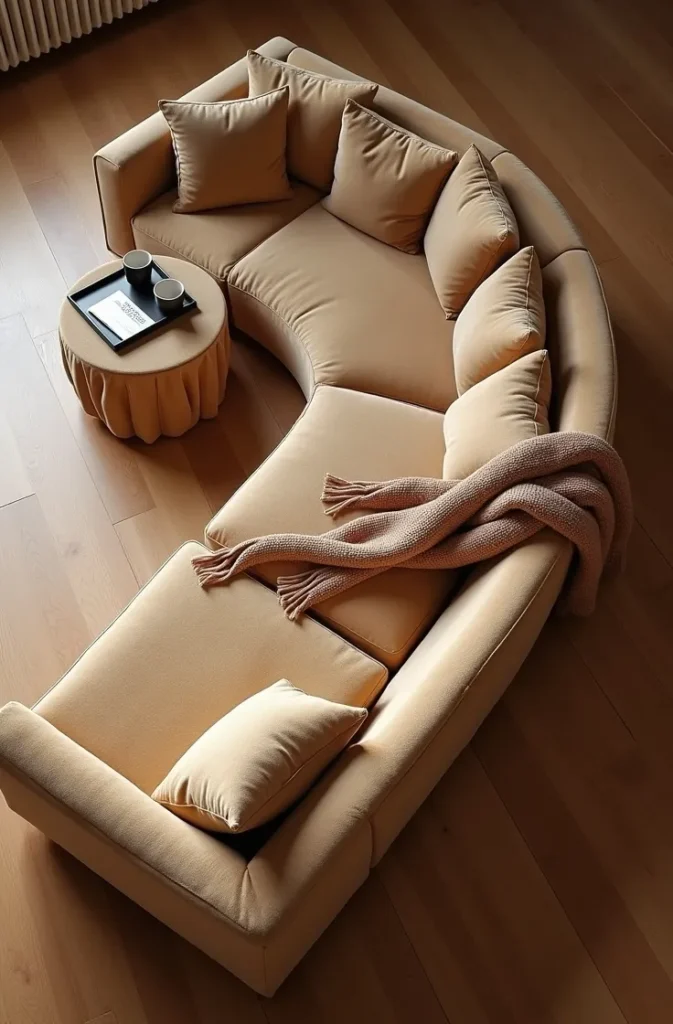
This is one of the most practical functional small bedroom and living room floor plan ideas for USA renters who host occasionally but don’t have storage space for extra chairs. The mistake to avoid is choosing floor cushions in a stiff, structured fabric that clashes with the sofa’s softness — match the texture, not just the color, so the whole seating area reads as one continuous, intentional cloud-like landscape rather than mismatched pieces.
The Cloud Sofa Layout Built Specifically for Shared Living Rooms
When two people share a living room — roommates, a couple, or a family with a shared common space — the sofa layout has to do more work than just look good, it has to negotiate two different ideas of comfort at once. A U-shaped or wide L-shaped cloud sofa layout solves this by giving each person their own defined “zone” of the seating without anyone feeling like they’re sharing a single cushion.
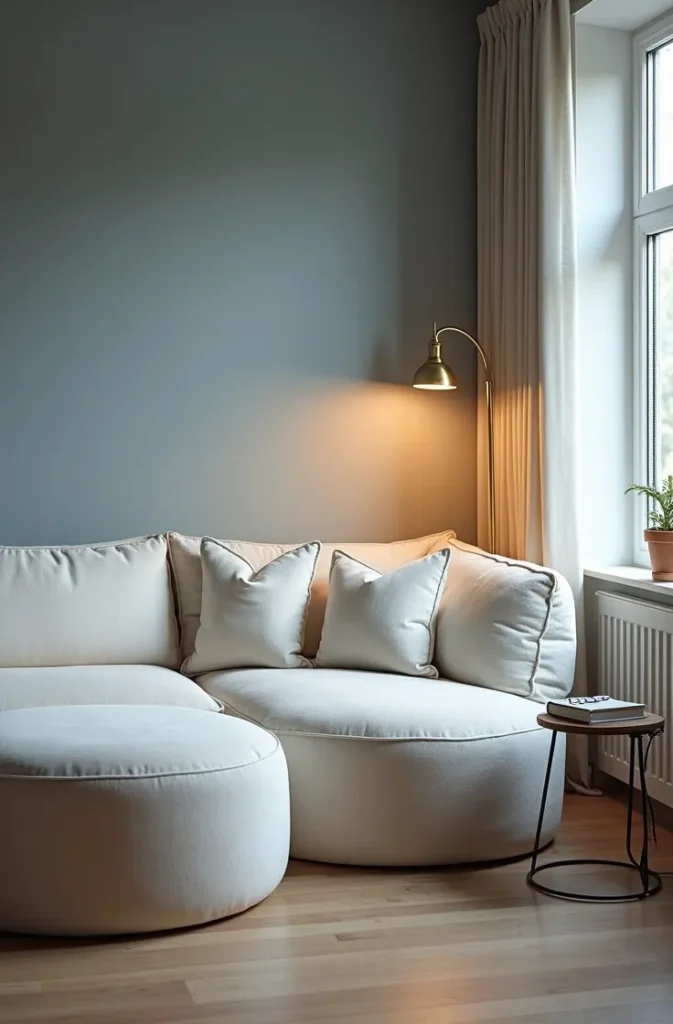
One end can sit closer to a lamp for reading, the other closer to the window or the screen, so two different activities can happen on the same sofa without conflict. This is especially useful in shared bedrooms and shared living spaces in smaller apartments where a second seating area isn’t an option.
The mistake to avoid is centering everything around the TV only — leave one end of the sofa with its own small side table and light source so it functions independently, not just as an extension of the main seat.
Bringing It All Together
You now have twelve real, workable ways to bring cloud sofa softness into your own living room, not just a folder of pretty photos with no plan behind them. Save this post before you start shopping, because the layout you choose will matter just as much as the sofa itself once it’s actually sitting in your space. Come back to it when you’re ready to measure your room, and treat it as your starting point every time your living room needs a reset. Consider this your go-to reference for getting a cloud sofa layout right the first time.