
Most people start container gardening with the wrong containers, the wrong placement, or both, and then blame the plants. This guide to container gardening ideas 2026 cuts through the guesswork with 14 specific setups built around real growing conditions, real space constraints, and decisions that actually affect results. Whether you have a balcony, a driveway edge, or a full backyard, you will find a setup here that fits your situation.
1. The Tiered Herb Container Setup That Maximizes a 3-Foot Balcony Wall
Vertical tiered planters solve the single biggest problem in container gardening: limited floor space. A three-tier wall-mounted planter system on a balcony gives you the growing capacity of a 6-foot garden bed in less than 4 square feet of footprint. For herbs specifically, this setup works because most culinary herbs need similar light levels and watering frequency, which makes grouped vertical growing genuinely practical.
The key is matching the right herbs to each tier based on light exposure. Top tier gets the most direct sun, so place basil and oregano there. Middle tier suits parsley and chives. The bottom tier, which gets partial shade from the tiers above, works well for mint or cilantro.
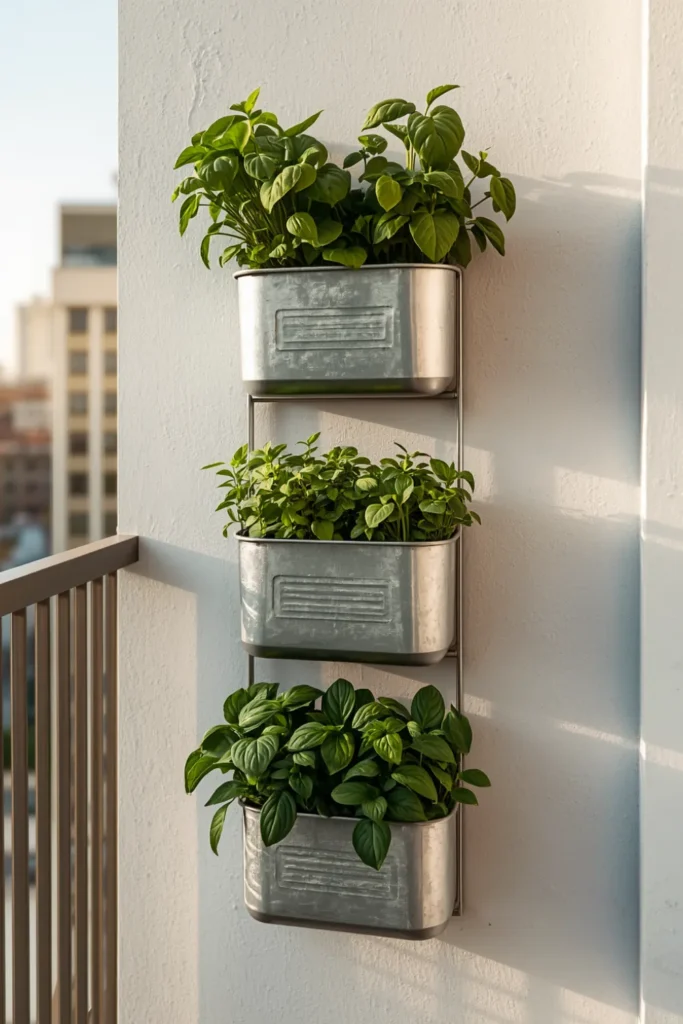
Avoid using decorative wooden crates as vertical planters. They look appealing but lack drainage and rot within one growing season. Purpose-built metal or food-safe recycled plastic wall planters with individual drainage holes per pocket are the correct choice.
This setup works year-round in USDA zones 9 through 11. In colder zones, bring the entire mounted panel indoors through winter or replant seasonally.
2. The Self-Watering Raised Container Bed for Vegetable Growing in Small Yards
Self-watering containers are one of the most underused tools in residential container gardening, particularly for vegetables. A self-watering raised bed works on a wicking system: a water reservoir at the base draws moisture upward through a soil column, keeping root zones consistently moist without daily watering. For tomatoes, peppers, and cucumbers, this consistent moisture level is what prevents blossom end rot and cracking, two of the most common container vegetable failures.
The setup works best on a flat patio, deck, or driveway surface. Most self-watering raised containers sit 12 to 18 inches off the ground, which also eliminates the back strain of ground-level gardening. The reservoir typically holds 2 to 4 gallons, which means watering every 3 to 5 days rather than daily during summer.
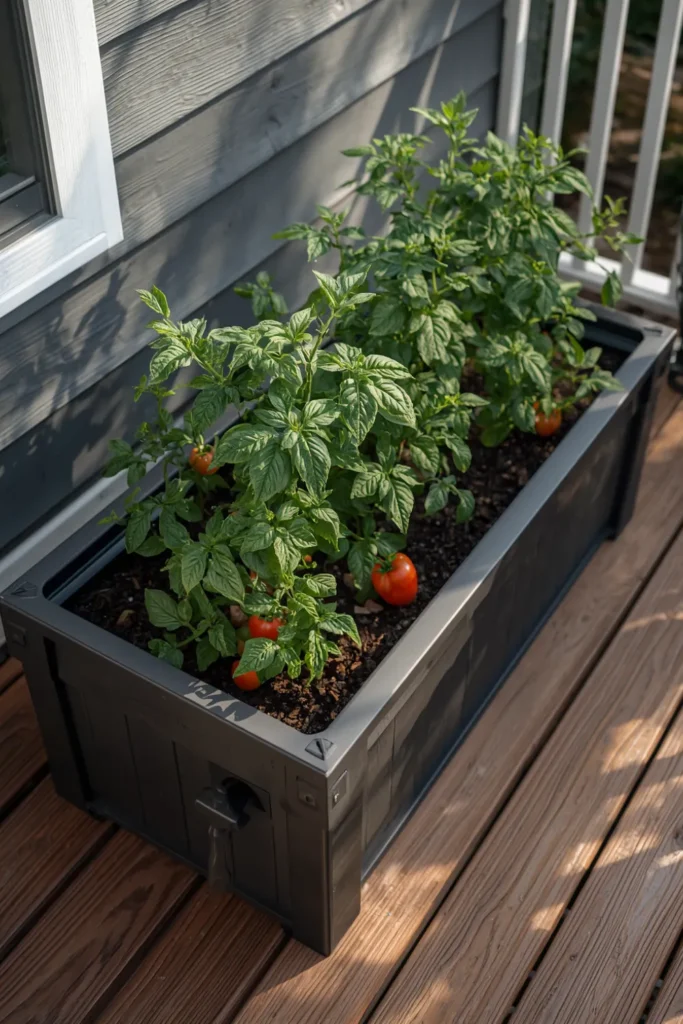
The most common mistake is filling the reservoir in winter or during rainy periods. Overflowing the reservoir in cool wet weather drowns roots. Most units have an overflow drainage hole at the reservoir line for exactly this reason. Learn where it is and use it.
Soil mix matters here more than in standard containers. Do not use regular potting mix alone. A blend of high-quality potting mix with perlite and compost at roughly a 60/20/20 ratio maintains the wicking action and prevents compaction over time.
3. The Doorstep Container Garden That Creates Curb Appeal and Grows Food
A front doorstep container setup serves two purposes at once: it improves curb appeal and produces usable food or herbs. This dual-purpose approach is one of the smarter container gardening ideas for 2026 because it justifies the cost and maintenance time by delivering visible returns daily.
The layout uses two large containers flanking the entry, typically 18 to 24 inches in diameter, planted with a combination of edible and ornamental plants. A tall centerpiece plant, such as a dwarf citrus tree, rosemary topiary, or tall kale variety, anchors each pot. Medium herbs or compact edible flowers fill the mid-layer. A trailing plant like thyme or nasturtium softens the pot edge.
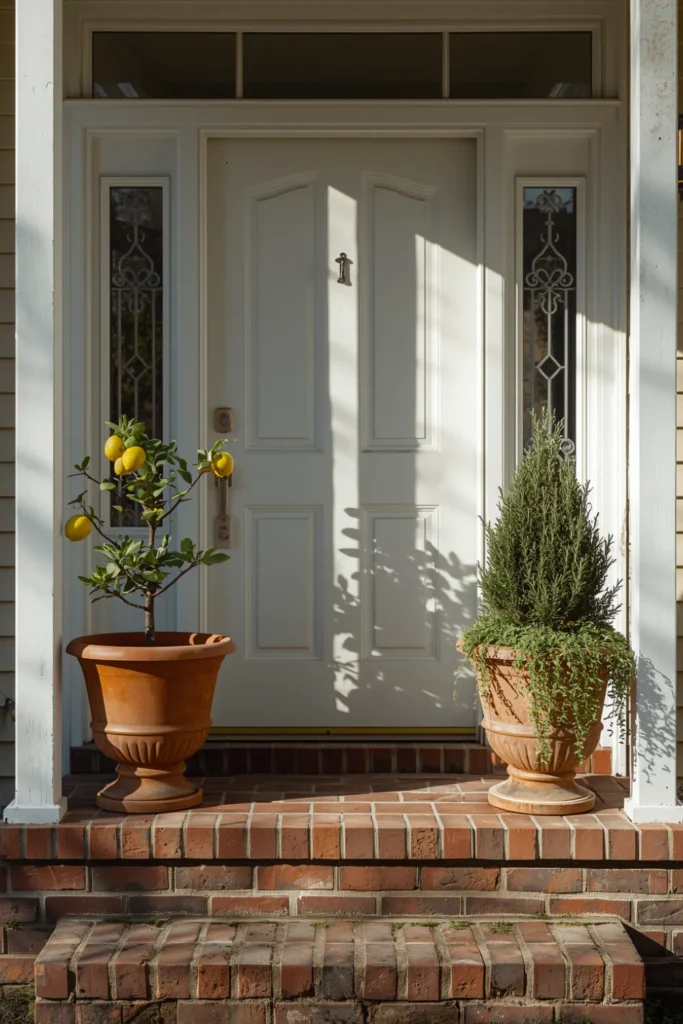
This thriller-filler-spiller approach is not just a design technique. It is also a functional spacing strategy that ensures each layer gets adequate light without shading the layer below it.
The mistake most people make is choosing plants purely for looks and then discovering they need completely different care schedules. Keep all plants in each pot at similar water and light requirements. Pairing drought-tolerant rosemary with moisture-loving basil in the same container will consistently result in one of them failing.
4. The Apartment Balcony Railing Planter Row for Continuous Harvesting
Railing planters are one of the few container gardening solutions that add growing space without using any floor space at all. A properly installed railing planter row along a standard 6-foot apartment balcony railing gives you approximately 12 to 18 linear inches of growing depth, enough for lettuces, radishes, green onions, and small pepper varieties.
The setup works through staggered planting. Rather than planting everything at once, plant one-third of your containers every two weeks. This succession planting approach means you are harvesting continuously through the growing season rather than having everything mature at the same time and then nothing for weeks.
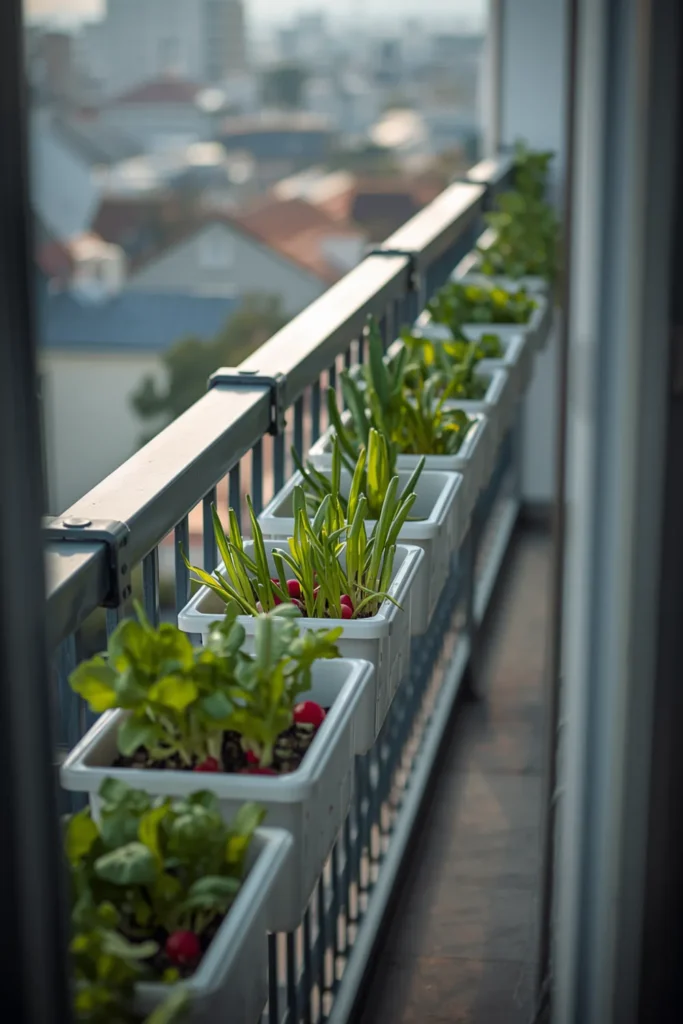
Weight is the critical safety consideration most guides ignore. Each filled railing planter can weigh 8 to 15 pounds depending on soil moisture. Always check your balcony railing weight rating before installing more than two or three units. Most modern apartment balcony railings are rated for incidental loads, not continuous distributed planting weight.
Choose planters with a low center of gravity and a secure over-the-rail bracket system. Planters that clip on rather than hang reduce wind sway and the risk of tipping during storms.
5. The Driveway Edge Container Garden That Uses Dead Space Productively
The edge of a driveway is one of the most overlooked growing surfaces in American homes. It typically receives full sun for 6 to 8 hours per day, has good air circulation, and sits adjacent to a hard surface that reflects additional heat, conditions that many fruiting plants and herbs actively prefer.
A linear container arrangement along one or both sides of the driveway uses large rectangular planters or a row of uniform round containers spaced 18 inches apart. This spacing allows each plant full light access while the repetition creates a clean, intentional visual line that improves the property’s appearance.
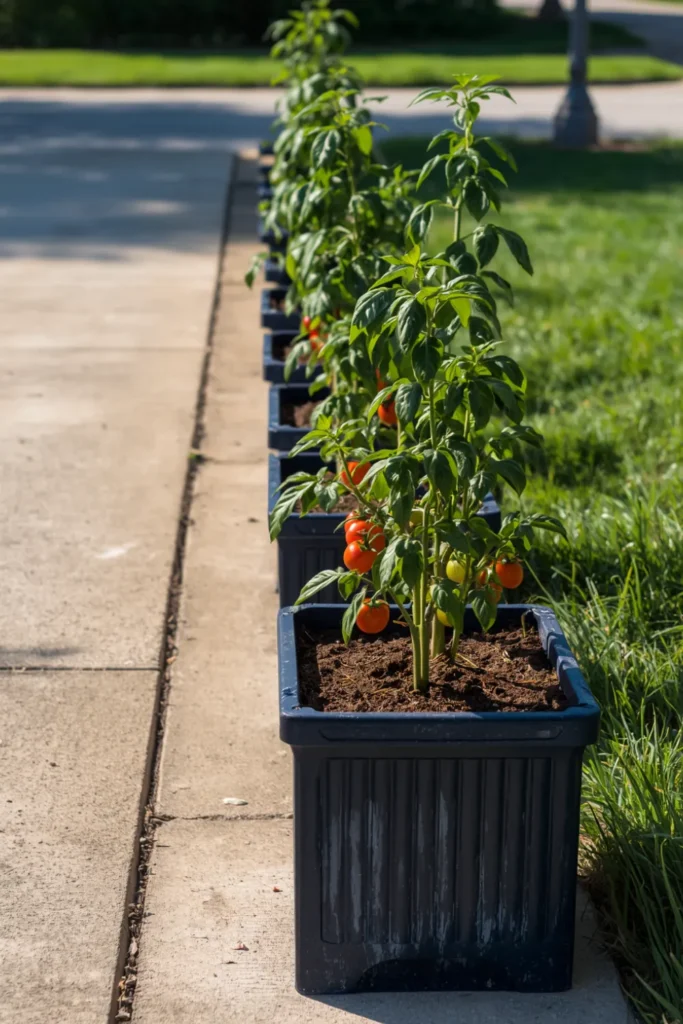
Heat-loving plants thrive in this position. Peppers, eggplant, basil, and cherry tomatoes are well suited to the radiant heat that bounces off concrete driveways. In cooler northern climates, this reflected heat can extend the growing season by two to three weeks on either end.
The practical concern here is vehicle movement. Keep containers set at least 18 inches back from the actual driveway surface, or use heavy containers that cannot be knocked over easily. Low-profile containers under 14 inches in height also reduce the visual obstruction when reversing.
6. The Stacked Strawberry Tower That Produces Fruit in Minimal Space
A strawberry tower is one of the highest-yield-per-square-foot container setups available to home gardeners. A tower planter with 20 to 30 individual pockets produces meaningful strawberry harvests from a footprint of less than 2 square feet. This makes it genuinely useful for small patios, urban gardens, and anyone who wants fruit without dedicating ground bed space.
Everbearing strawberry varieties outperform June-bearing types in container towers because they produce fruit across a longer window rather than in one concentrated burst. Plant one plant per pocket and rotate the tower a quarter turn every week to ensure all sides receive even light exposure.
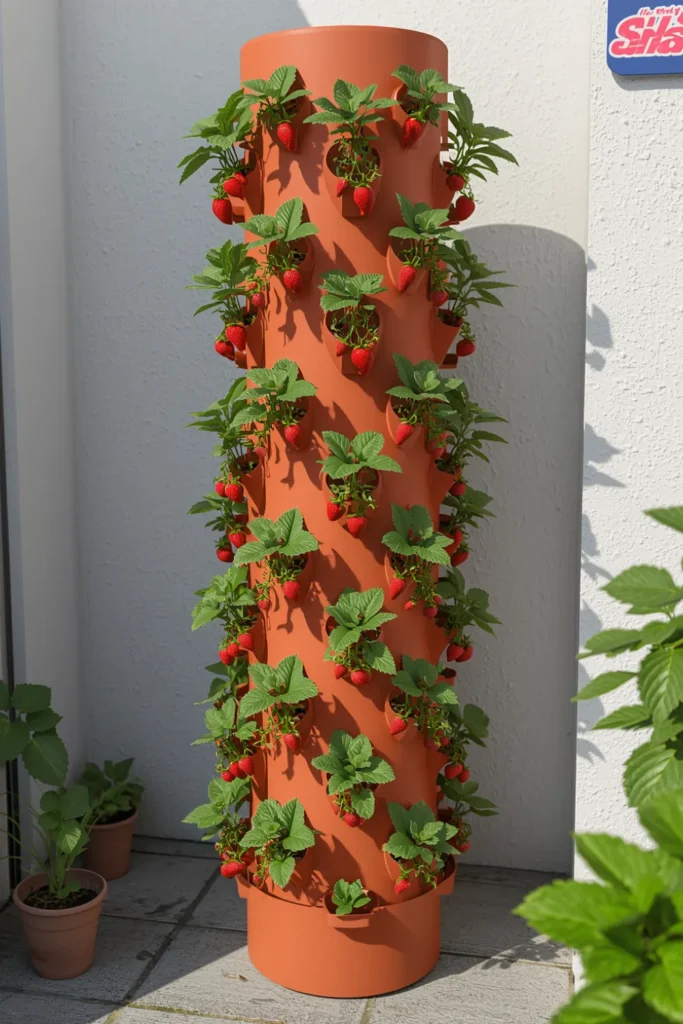
Watering a tower planter correctly takes a specific approach. Top-watering alone does not reach the lower pockets adequately. The most reliable method is a central PVC pipe with small drilled holes running vertically through the core of the tower, which distributes water evenly at every level. Some towers come with this built in; check before purchasing.
The common failure with towers is overplanting. Crowding two plants per pocket or choosing spreading varieties that outgrow their space results in weak growth and low fruit production. One plant per pocket is not a suggestion, it is a functional requirement.
7. The Shade-Garden Container Setup for North-Facing Patios and Covered Porches
Most container gardening content assumes full sun, which leaves a significant portion of homeowners with north-facing patios or heavily shaded porches with no practical guidance. A shade-specific container garden is not a compromise. Certain plants perform better in partial to full shade and produce more reliably in low-light conditions than they ever would in direct sun.
Leafy greens are the strongest performers in shade containers. Spinach, arugula, kale, and Swiss chard all prefer cooler light and actually bolt more slowly when shaded from afternoon sun. Herbs like mint, chervil, and Vietnamese coriander also thrive with 3 to 4 hours of indirect light per day.
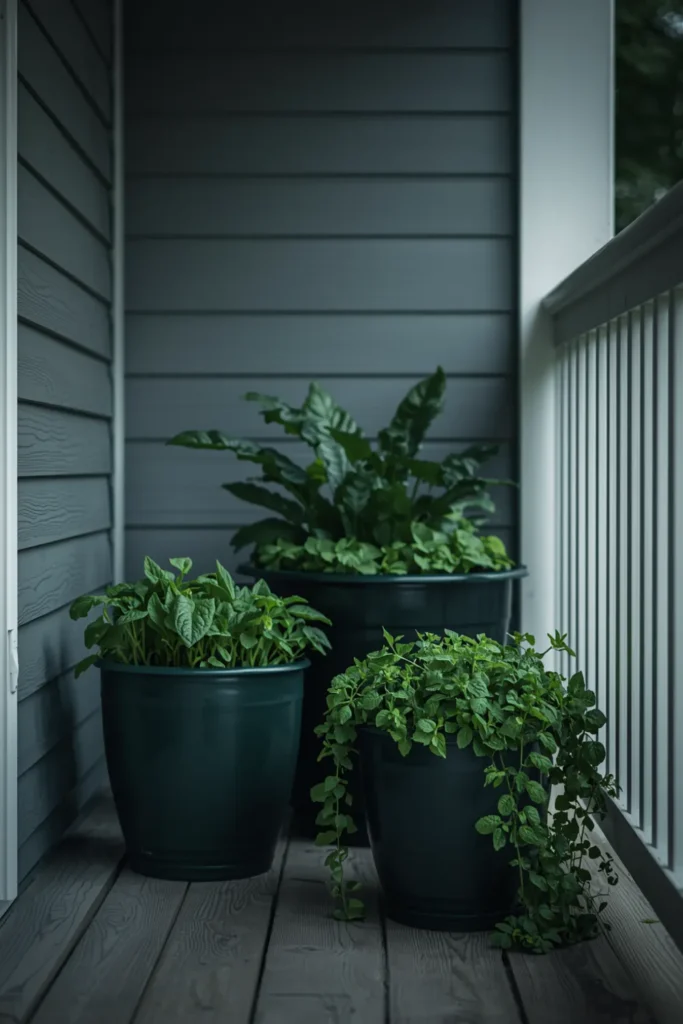
The container choice matters more in shade than in sun. Dark-colored containers absorb the limited warmth available and keep soil temperatures slightly higher, which supports root activity in low-light conditions. Light-colored or white containers in shade can result in soil temperatures too cool for active growth.
One major mistake in shaded container gardening is continuing to water at the same frequency as sun containers. Shaded soil dries far more slowly. Overwatering is the number one killer in this setup. Check soil moisture 2 inches down before watering and reduce frequency by roughly half compared to a full-sun setup.
8. The Pollinator Container Garden That Supports Bees and Looks Designed
A pollinator-focused container garden serves an ecological purpose while producing one of the most visually compelling container setups possible. The range of flower shapes, heights, and colors required to attract multiple pollinator species naturally results in a layered, textured arrangement that looks professionally designed without deliberate effort.
For a functional pollinator container, include plants that bloom at different times across the season. Early bloomers like alyssum and borage, mid-season lavender and coneflowers, and late-season sedums and asters ensure the container remains active from spring through fall. Bees and butterflies return to consistent food sources, so reliability matters more than diversity alone.
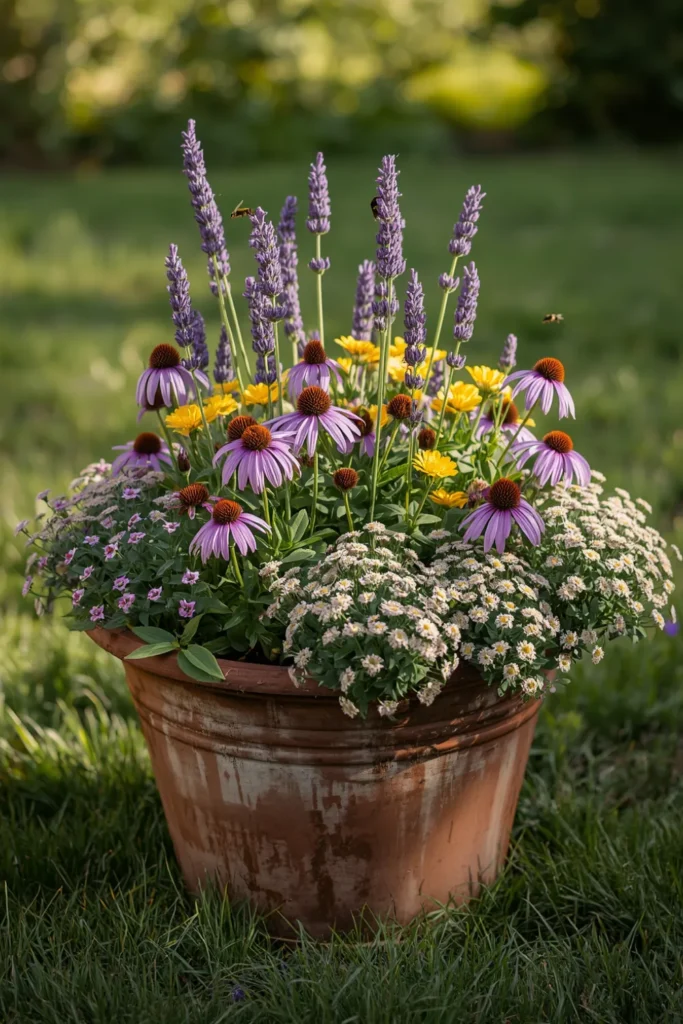
Single-petaled flowers are more accessible to pollinators than double-petaled ornamentals. Many double-bloom cultivars have been bred for appearance at the expense of nectar. If pollinator support is a genuine goal, choose open-faced single-bloom varieties even when the double versions look more impressive at the nursery.
This setup works best in large containers, 20 inches or wider, to accommodate the root systems of multiple species. Place it in a location with 6 or more hours of sun and away from areas with frequent foot traffic, which discourages pollinators from landing.
9. The Modern Minimalist Container Garden for Clean Outdoor Aesthetics
Not all container gardening is about maximizing yield. A modern minimalist container setup prioritizes clean lines, a restrained palette, and architectural plant choices that complement contemporary outdoor design. This approach works particularly well for modern homes, townhouses, and renovated properties where the outdoor space is an extension of interior design decisions.
The plant selection is what defines this setup. Architectural choices include ornamental grasses, agave, snake plants used outdoors in warm zones, dwarf Japanese maples, and clipped boxwood spheres. These plants hold their form across seasons and require minimal intervention, which suits the minimal maintenance expectation of this aesthetic.
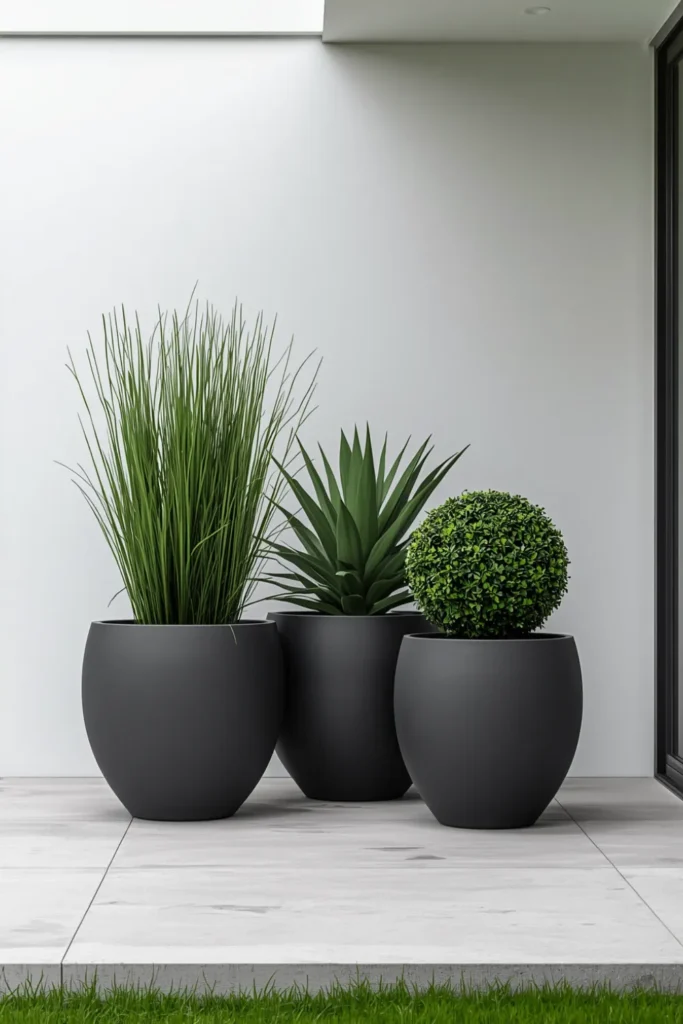
Container choice is the most critical decision in this setup. Uniform containers in a single material, poured concrete, matte black fiberglass, or raw zinc, create visual cohesion. Mixing container styles in a minimalist arrangement defeats the entire purpose. Choose one material and use it consistently across all pots in the space.
Odd-numbered groupings of three or five containers, arranged at three different heights, create the proportional balance that makes minimalist container setups look intentional rather than sparse. Even-numbered groupings of similar-height containers tend to look symmetrical and formal, which contradicts the relaxed modern aesthetic.
10. The Edible Windowbox Setup That Works on Any Window or Ledge
Window boxes are a well-known concept but most people use them purely ornamentally. An edible windowbox planted with the right species gives you daily-harvest access from inside the home, which changes how consistently you actually use what you grow. Reaching through a kitchen window to snip herbs directly into a pan is a fundamentally different behavior than walking outside to a garden bed.
The best edible windowbox plants for outside kitchen or dining room windows are compact basil, chives, flat-leaf parsley, dwarf cherry tomatoes, and cut-and-come-again lettuce varieties. Each of these tolerates partial shade from the window overhang and regrows reliably after frequent harvesting.
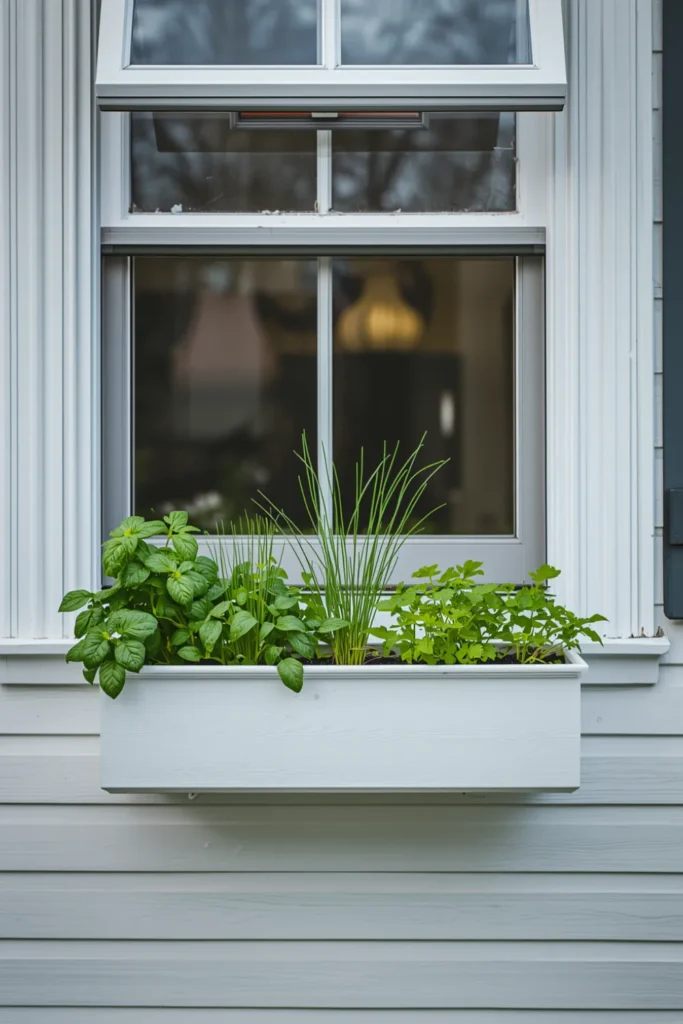
Drainage is the most overlooked practical issue with windowboxes. A box without drainage holes will waterlog and kill most edible plants within two to three weeks. Every windowbox must have drainage holes and a drip tray underneath to protect the sill and any surfaces below.
Bracket strength matters more than most guides acknowledge. A 36-inch filled windowbox can weigh 40 to 60 pounds when wet. Use heavy-duty L-brackets rated for at least double the expected weight, mounted into wall studs or masonry anchors, not just siding.
11. The Repurposed Container Garden That Reduces Cost Without Sacrificing Results
Repurposed containers are one of the most practical container gardening ideas for 2026 precisely because they lower the financial barrier to starting without reducing growing effectiveness. The container itself is simply a vessel for soil and roots. What matters functionally is volume, drainage, and material safety, not appearance or brand.
Food-safe repurposed containers that work well for gardening include 5-gallon food-grade buckets, wine barrels cut in half, galvanized livestock water troughs, wooden crates lined with burlap and plastic, and retired ceramic kitchen crocks. Each of these holds sufficient soil volume for most vegetable and herb crops.
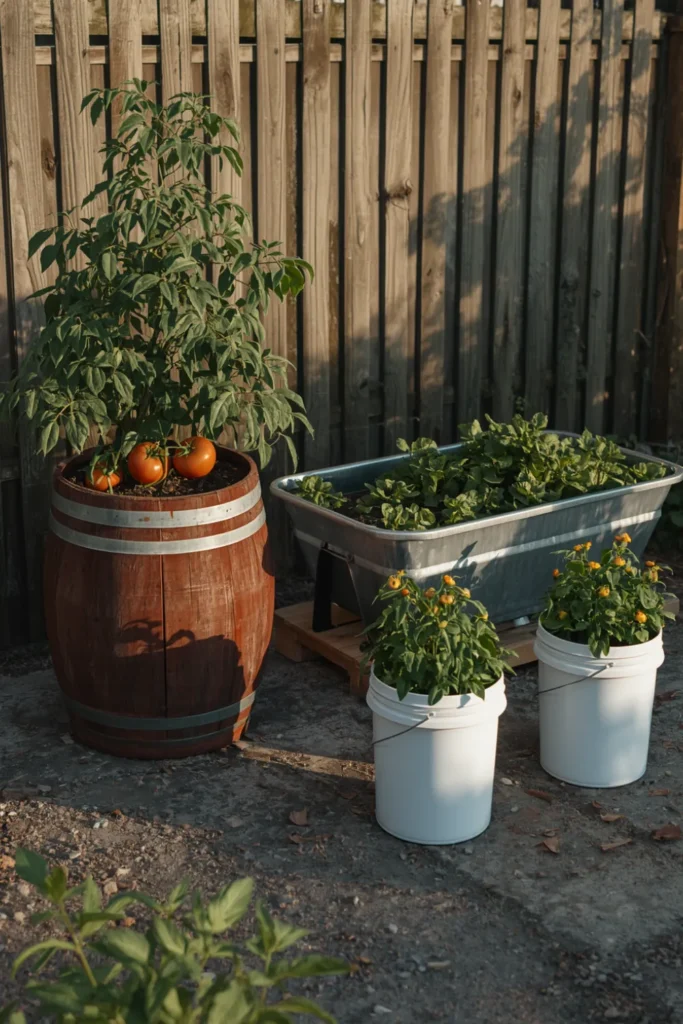
The critical safety check is container material history. Avoid repurposing containers that previously held non-food chemicals, motor oil, pesticides, or paint. These residues persist in container walls and transfer into soil even after cleaning. Food-grade plastic containers stamped with recycling codes 2 or 5 are safe. Codes 3, 6, and 7 are not appropriate for edible gardening.
Drainage is non-negotiable regardless of the original container purpose. Drill a minimum of four quarter-inch holes per square foot of base area in any repurposed container before planting. This prevents waterlogging and gives roots the oxygen access they need.
12. The Cut Flower Container Garden That Replaces Weekly Grocery Store Purchases
A container garden dedicated to cut flowers is one of the highest practical-value setups for homeowners who regularly buy flowers. A single large container or grouping of three mid-size containers planted with the right cut flower varieties produces enough blooms from late spring through first frost to eliminate the need for store-bought flowers entirely.
The most productive cut flower varieties for containers include zinnias, dahlias grown from tubers in large containers, lisianthus, celosias, and snapdragons. These all have long vase life, produce multiple stems per plant, and rebloom when cut correctly, which means cutting above a leaf node rather than at the base.
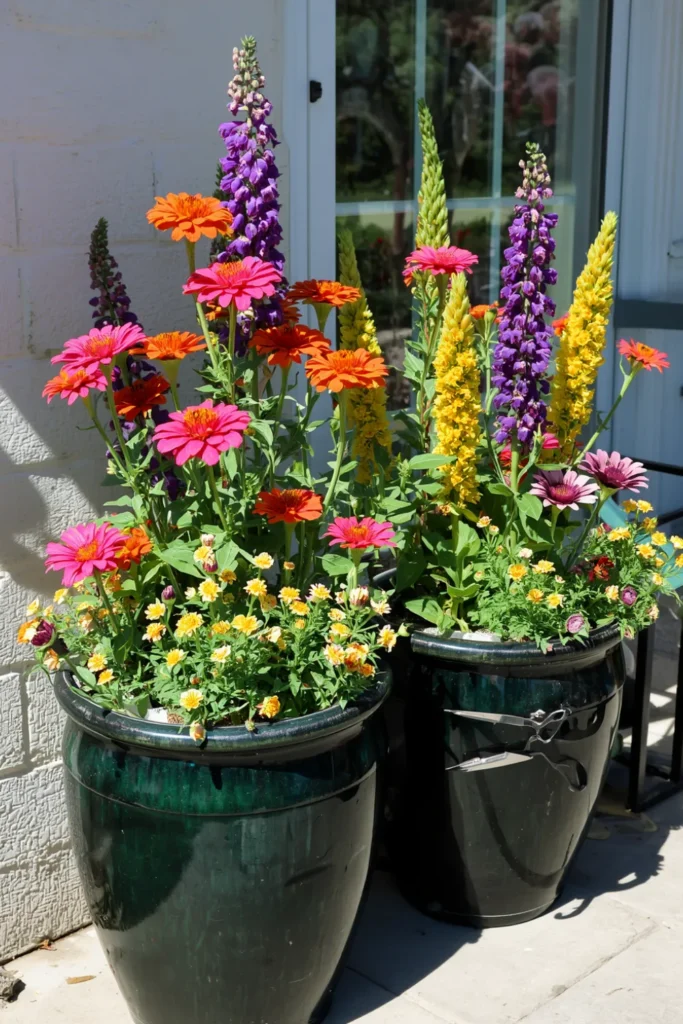
Container size is the main limiting factor for cut flower production. Dahlias specifically require a minimum 5-gallon container per tuber and prefer 10-gallon or larger for best stem length and bloom count. Do not attempt to grow dahlias in containers under 12 inches in diameter. The results are consistently disappointing and the tubers may not survive to the next season.
Deadheading and cutting are the same action in a cut flower container. The more you cut, the more the plant produces. The mistake most gardeners make is leaving spent blooms on the plant out of habit from ornamental gardening, which actually signals the plant to stop producing.
13. The Four-Season Container Garden That Stays Productive All Year
Most container gardens go dormant from November through March, which represents four months of wasted space and effort. A properly planned four-season container garden stays productive year-round by rotating plant families through each season rather than shutting down entirely.
The seasonal rotation works as follows. Spring: cool-season crops like lettuce, spinach, and pansies. Summer: heat-tolerant herbs, tomatoes, and peppers. Fall: kale, Swiss chard, ornamental cabbages, and mums. Winter: evergreen dwarf conifers, ornamental kale, and cold-hardy pansies in milder zones, or forced bulbs and indoor-wintered plants in USDA zones 6 and below.
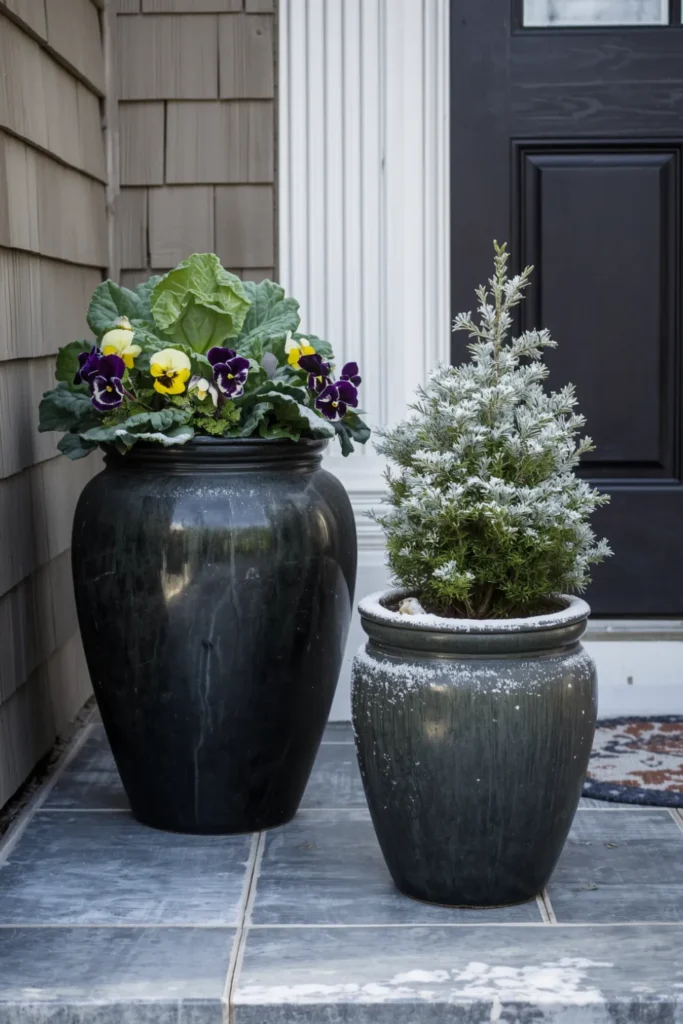
The container itself should be frost-resistant. Terracotta cracks in freeze-thaw cycles. Glazed ceramic, fiberglass, or heavy-duty resin containers handle temperature swings without damage and make the year-round investment worthwhile.
Planning the rotation in advance matters more than most gardeners expect. Start seeds or source transplants for each upcoming season before the current season ends. A two-week overlap in planning prevents the container from sitting empty between rotations, which is the most common reason four-season gardens fail to stay consistent.
14. The Children’s Grow-Your-Own Container Setup That Builds Real Gardening Skills
A container garden designed around children is not simply a smaller version of an adult garden. It is a setup calibrated for short attention spans, immediate results, and hands-on engagement. The right plant choices and container arrangement make the difference between a child who waters consistently for a full season and one who loses interest within two weeks.
The best plants for a child-focused container garden are fast-germinating and visually dramatic in their growth. Radishes are ready to harvest in 25 days. Sunflowers grow visibly taller each morning. Cherry tomatoes produce fruit in clusters that children can pick and eat directly from the plant. Nasturtiums are edible and bloom prolifically within a few weeks of planting.
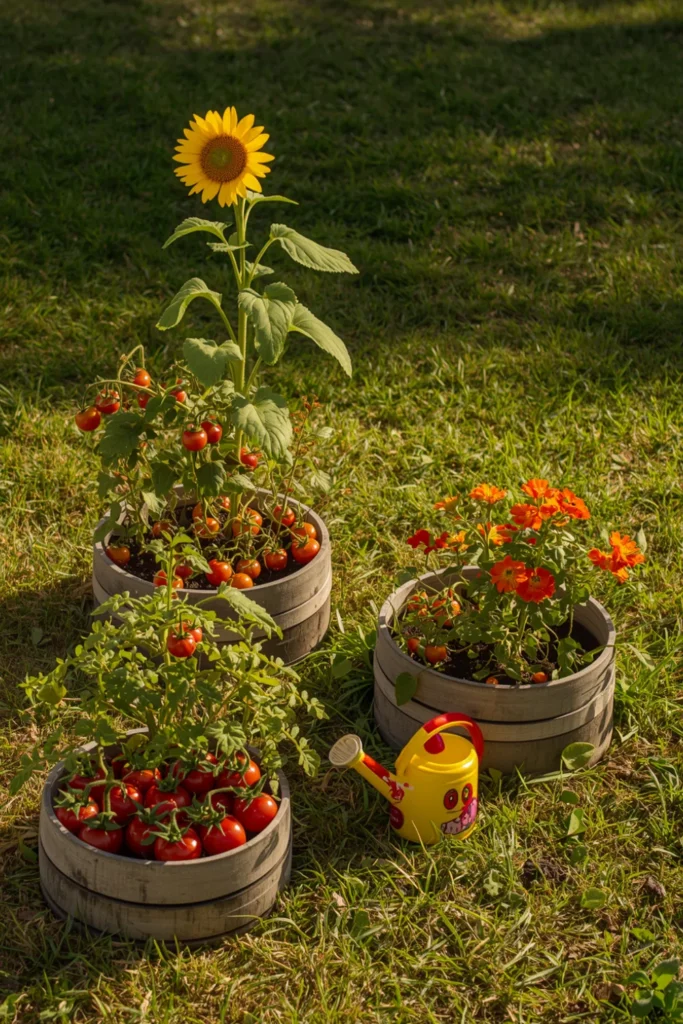
Assign one container per child and let them make decisions about what to plant in their own pot. Ownership drives consistency in watering and care. A shared container that belongs to everyone tends to belong to no one, and care becomes inconsistent.
Keep container height at child level. A 12-inch-tall raised container or a ground-level wide pot allows children to water and harvest without adult assistance, which builds genuine independence and confidence. The practical goal is a setup that a child aged 5 and older can manage with minimal adult instruction after the first week.
Final Thoughts
The best container gardening setup for 2026 is the one that fits your actual space, your actual climate, and your actual schedule. Each of these 14 ideas solves a specific problem, from zero floor space to year-round productivity to ornamental value, so use them as decision tools rather than pure inspiration.
Save this post now if any of these setups match your situation. The plant selection details, container sizing rules, and common mistakes covered here are the kind of specifics that do not show up on product packaging or in general gardening overviews.
When you are ready to go further, explore small space container vegetable gardening ideas, urban patio garden planning, and seasonal container planting guides to build on what you have started here.