
Your foyer gets seen first — but most people treat it last. These foyer decoration ideas 2026 will show you exactly how to transform that overlooked entryway into the most intentional space in your home, whether you have 10 square feet or 100.
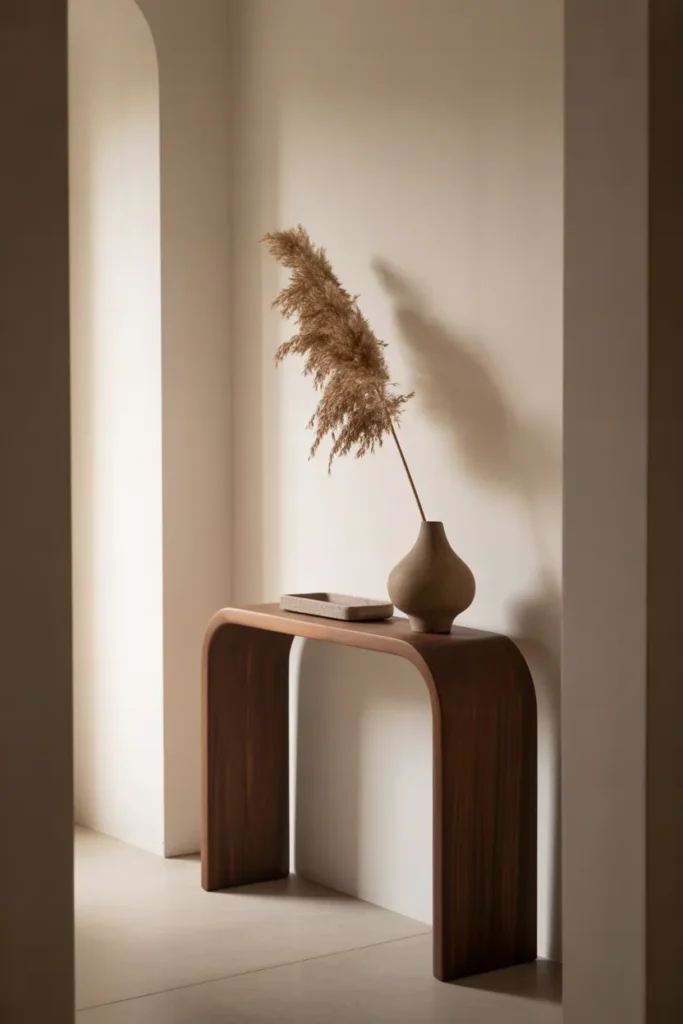
1. Use a Sculptural Console Table to Anchor the Entire Space
Picture a slim, arched-leg console in warm walnut sitting against a soft white wall. On top: a single tall vase, one small tray, and nothing else. The room feels edited. Expensive. Calm.
The secret is negative space. Most people over-decorate their entryway console. In 2026, the trend is restraint — one tall element, one low element, and intentional empty surface.
Choose a console with visual interest in its structure — curved legs, an open shelf, or a stone top — so the furniture itself does the decorating. You don’t need accessories when the piece is the statement.
If your foyer is narrow, a wall-mounted console (no legs) visually opens the floor and makes the space feel longer.
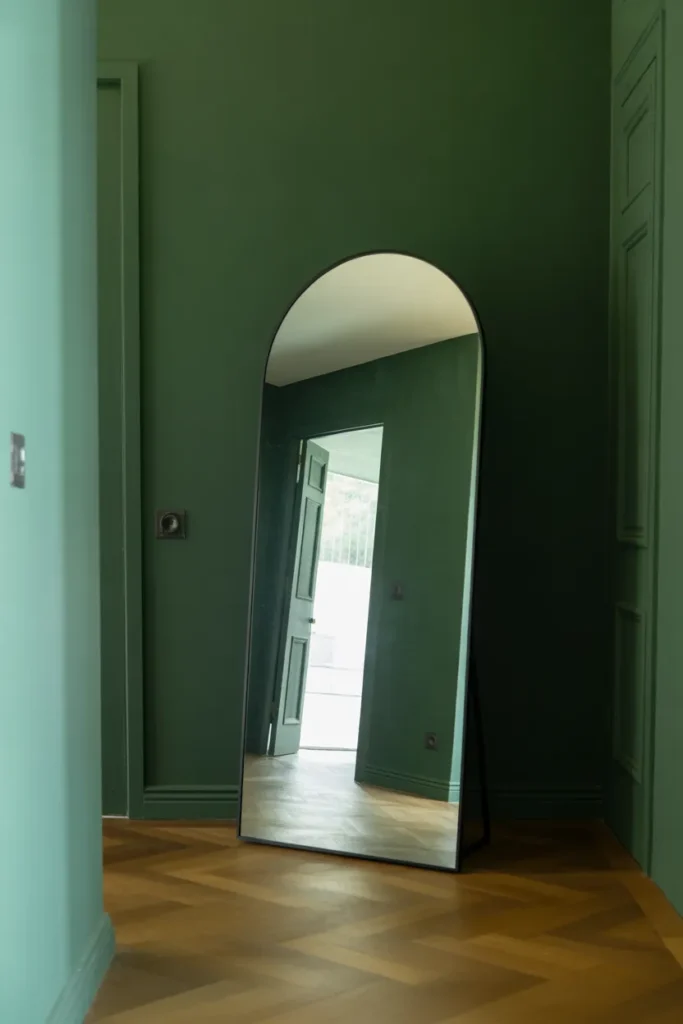
2. How a Single Large Mirror Can Double Your Entryway’s Light and Space
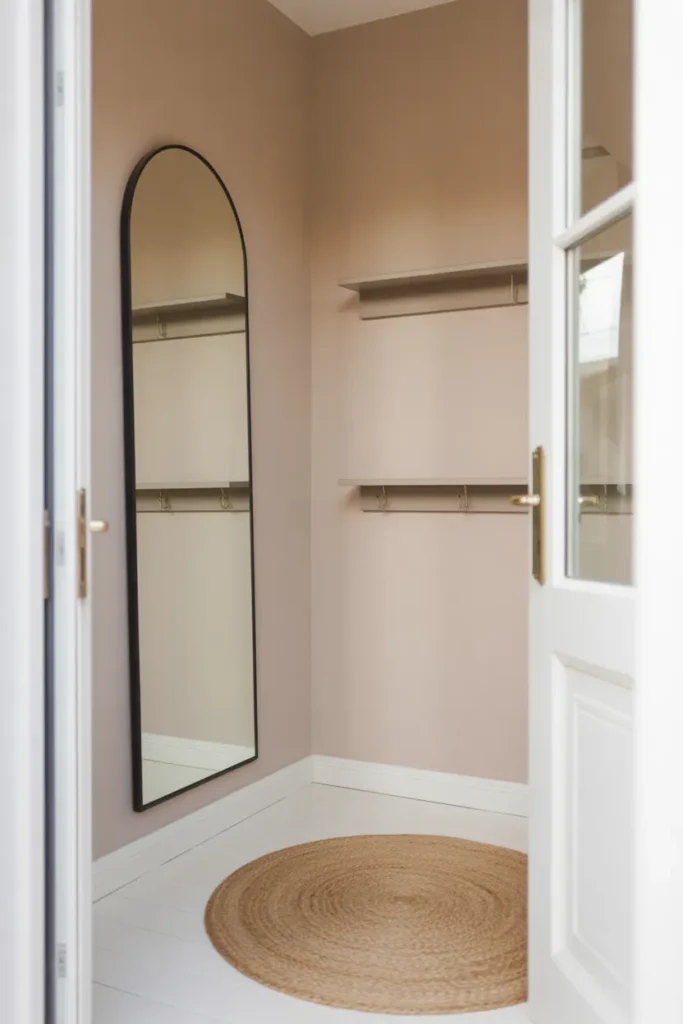
One oversized mirror — leaning against the wall, floor to ceiling — and suddenly your foyer feels like a room instead of a hallway.
Mirrors do two things at once: they reflect natural light deeper into the space, and they create a visual depth that makes any entryway feel twice as large. In a small foyer, this is the single highest-impact move you can make.
Go larger than feels comfortable. Most people choose mirrors that are too small. A mirror that’s at least 60% of the wall height reads as intentional design. Smaller than that, it reads as an afterthought.
Lean it instead of hanging it for an effortlessly editorial look that’s trending hard in 2026 foyer design.
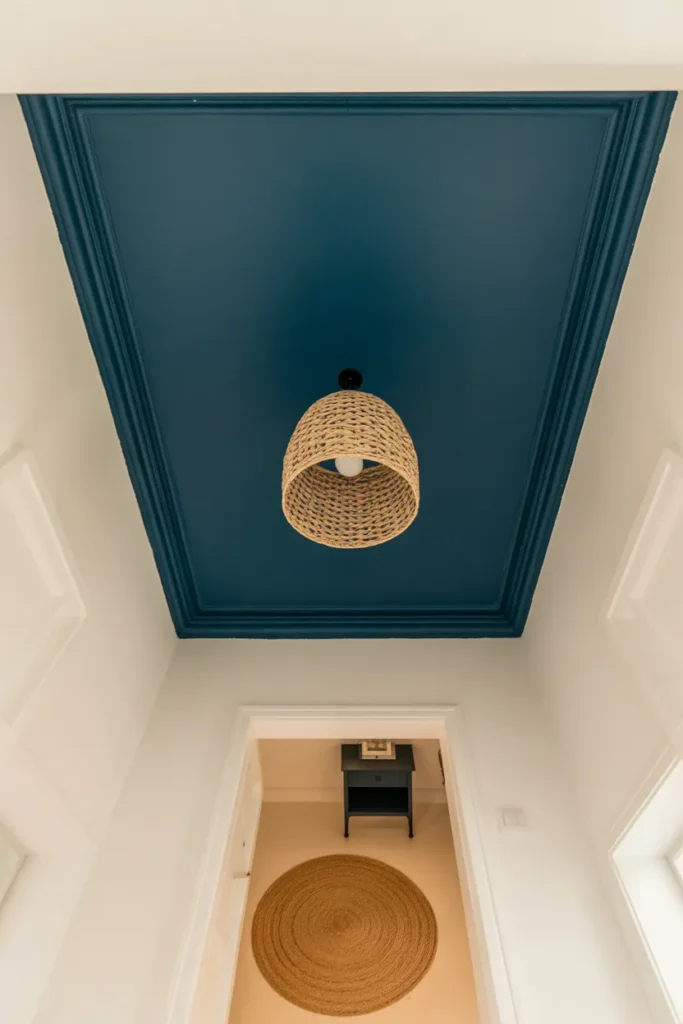
3. Make Your Foyer Ceiling the Feature Nobody Expects
Most people decorate walls and floors. The ceiling? Completely ignored. That’s exactly why it works.
A painted ceiling in a deep contrasting color — navy, terracotta, charcoal — immediately draws the eye up and makes the room feel taller, not smaller. It adds drama without taking up any floor space.
This works especially well in small square foyers where wall space is limited. The ceiling becomes the statement wall.
Try a warm caramel or dusty rose for a softer, more trend-forward 2026 look. Pair it with a simple rattan pendant light to complete the moment.
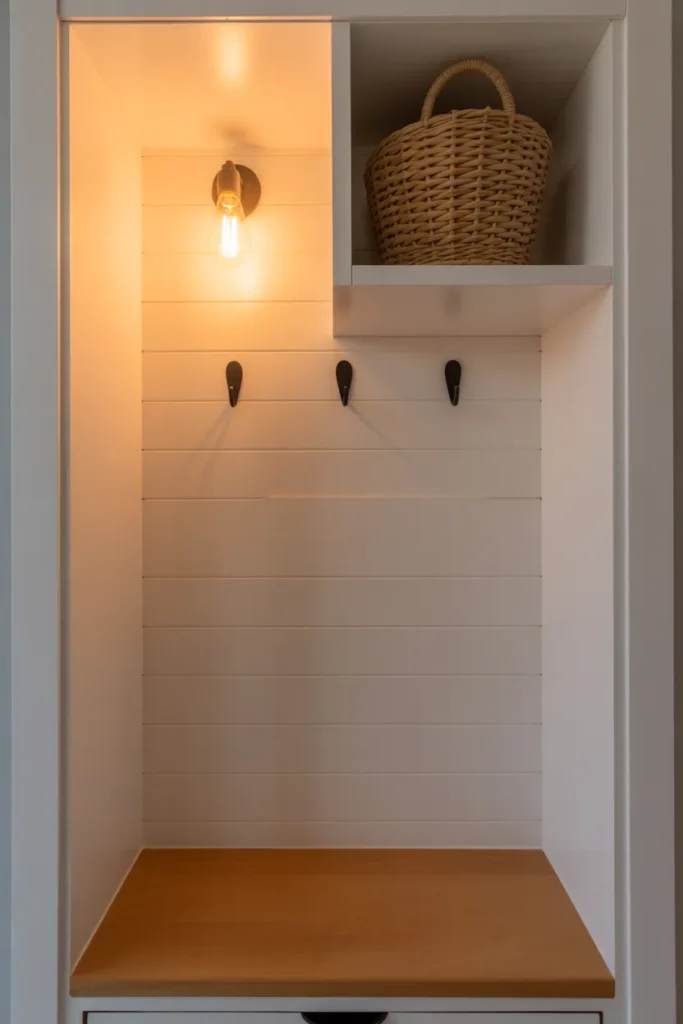
4. The Entryway Nook That Solves Your “Where Do Things Go” Problem
Do this: Build or style a dedicated landing zone — hooks, a bench, a tray, and one shelf above.
Not that: A chair with bags piled on it, hooks screwed in randomly, shoes on the floor.
The difference isn’t money. It’s intention. When every item has a home, the foyer stays styled even when life is messy. The bones hold the look together.
Use matching hooks in a matte finish — unlacquered brass or matte black — spaced evenly. Add a bench with hidden storage inside. One lidded basket on the shelf. Done.
5. How to Style an Entryway Gallery Wall Without It Looking Cluttered
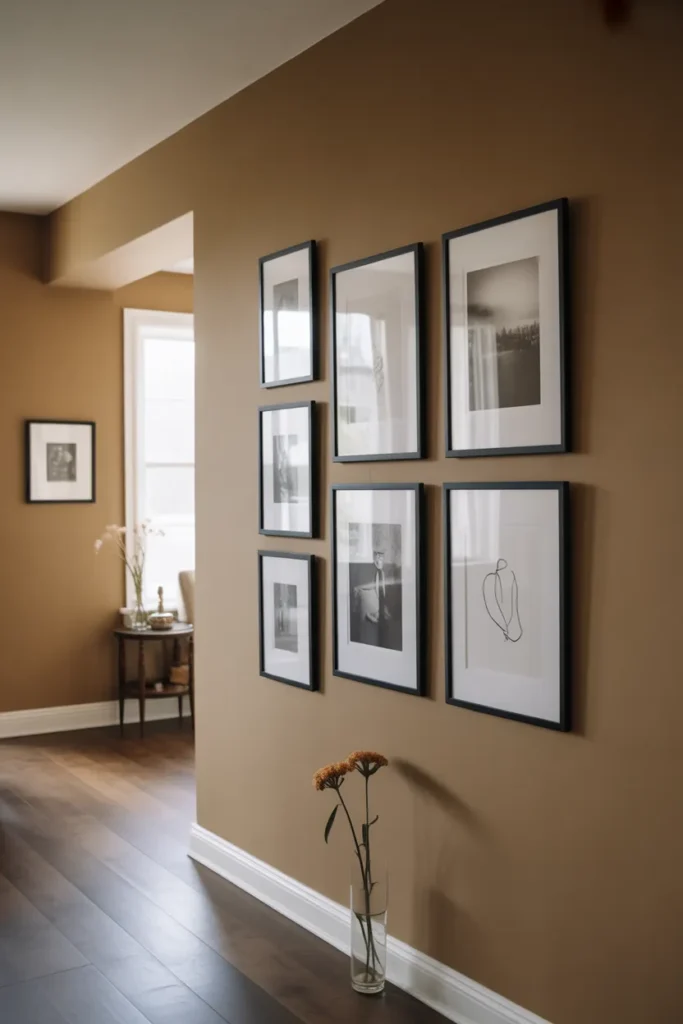
Three things make a gallery wall look curated instead of chaotic:
- Consistent frame finish — all black, all gold, or all natural wood. Never mix.
- One anchor piece — at least one frame that’s noticeably larger than the rest, centered or slightly off-center.
- Breathing room — space frames at least 3 inches apart. Closer than that reads as crowded.
The content matters less than the cohesion. Black-and-white photography, abstract prints, and simple line art all work. What doesn’t work: a random mix of styles with no visual thread.
For 2026, thin frames with wide white mats are the strongest aesthetic direction for foyer gallery walls.
6. Use Texture on One Wall to Create Depth Without Color
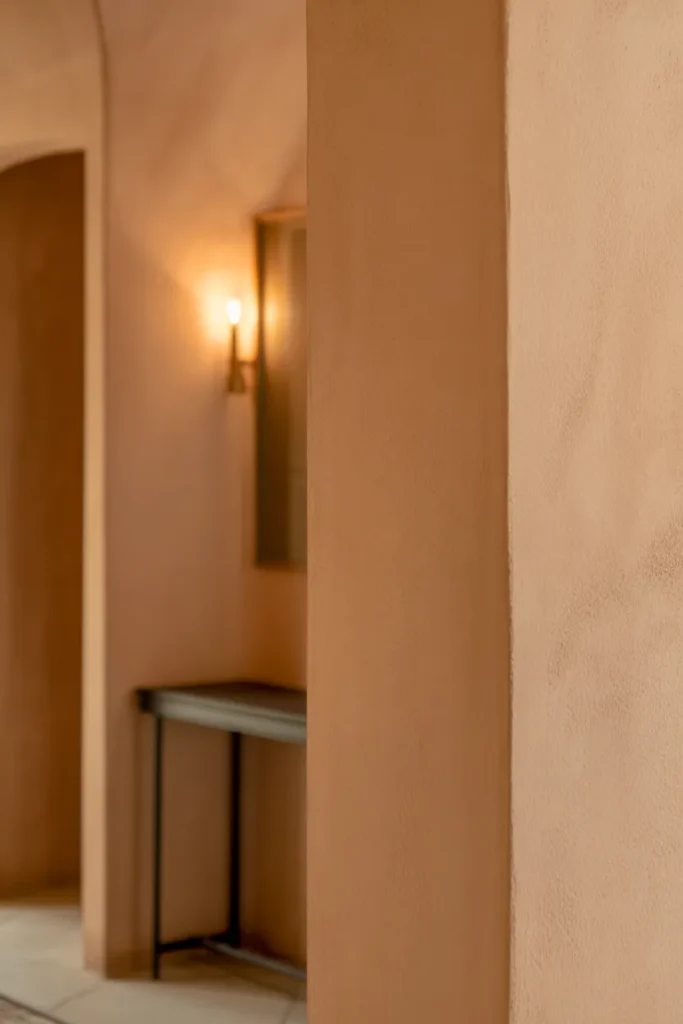
Textured walls are the stealth weapon of foyer design. A limewash finish, a panel of grasscloth wallpaper, or even a DIY plaster effect can transform a flat, forgettable wall into something that feels architectural and considered.
The key insight: texture creates depth that color alone cannot. In a small foyer with little natural light, a textured wall catches light differently throughout the day, making the space feel alive even when it’s static.
In 2026, limewash paint in warm sand, aged white, or clay tones is the dominant texture trend for foyers. It photographs beautifully — which matters for Pinterest — and it works in both traditional and modern homes.
7. The Right Rug Size That Makes a Small Foyer Feel Designed
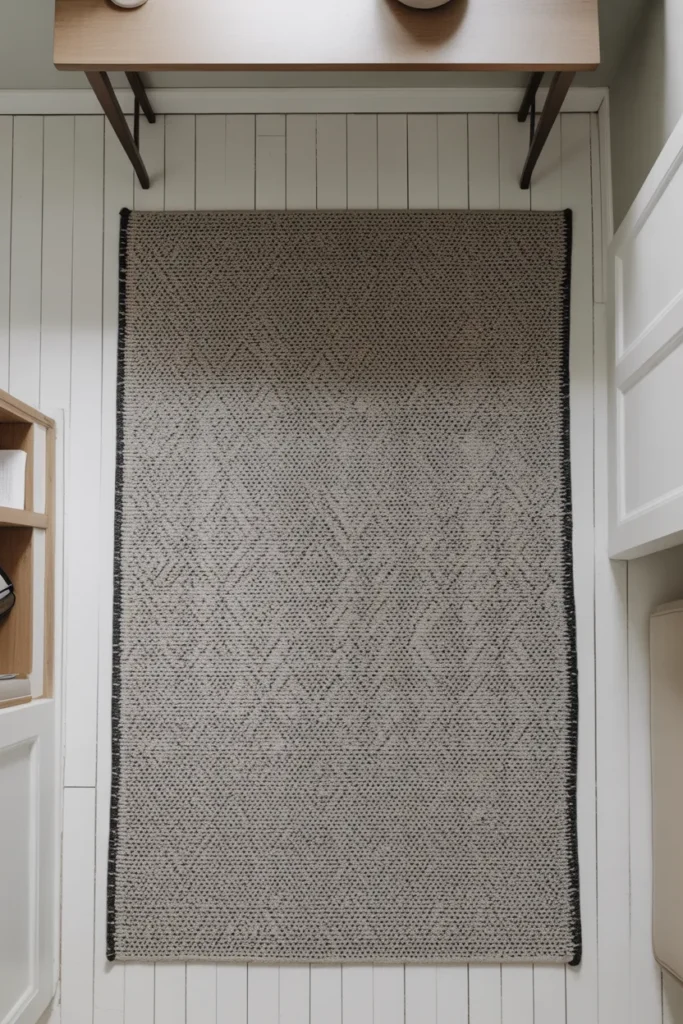
Most foyer rugs are too small. A rug that doesn’t extend past the edges of the console table or bench reads as an afterthought.
Go larger than feels right. In a small foyer, a rug that fills 70–80% of the floor space anchors the room and signals that the space was designed — not assembled.
For high-traffic entries, choose a flatweave or low-pile rug. Jute, cotton flatweave, or a thin wool kilim all work well. They’re durable, easy to clean, and look intentional.
Pattern adds personality without requiring color on the walls. A subtle geometric or a classic stripe reads well in both traditional and modern foyers in 2026.
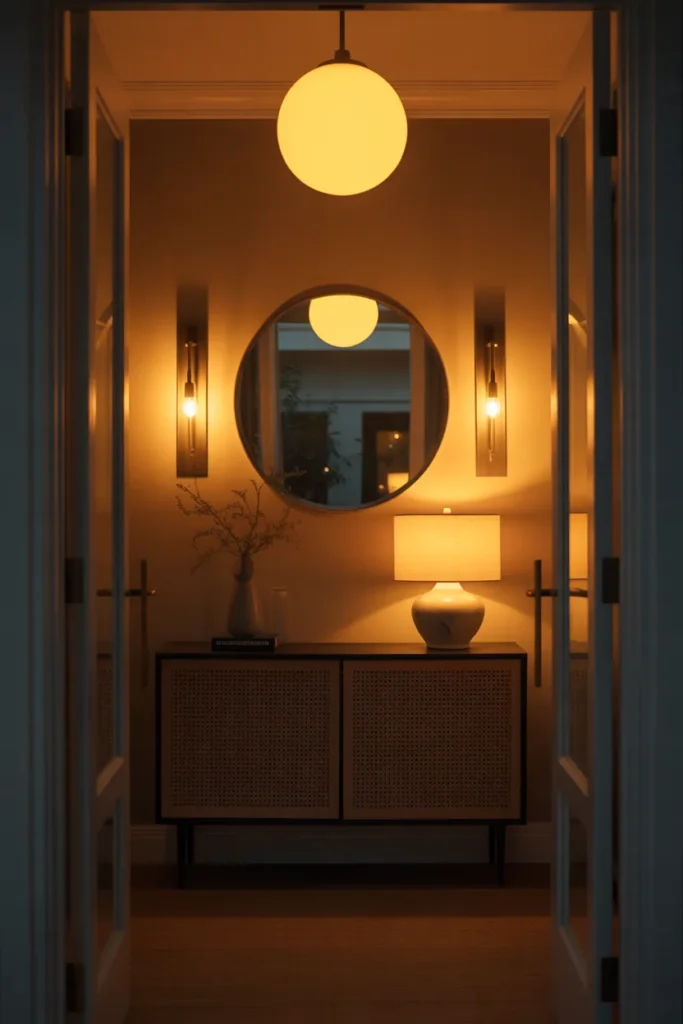
8. How to Layer Lighting in a Foyer for a High-End Look
Most foyers have one overhead light. Here’s how to layer like a designer:
- Overhead fixture — sets the ceiling height and overall mood. Flush mount for low ceilings, pendant or chandelier for height.
- Sconces — flank a mirror or gallery wall. Creates warmth and eliminates the flat overhead-only look.
- Table or task lamp — on the console, plugged into an outlet. Adds intimacy and a lived-in quality no overhead light can replicate.
All three together is the pro move. Even two of the three will dramatically elevate the space.
Use bulbs with a warm color temperature (2700K–3000K) throughout. Cold white light is the fastest way to make a beautiful foyer feel like a hospital corridor.
9. Make a Statement With One Bold Paint Color on Every Wall
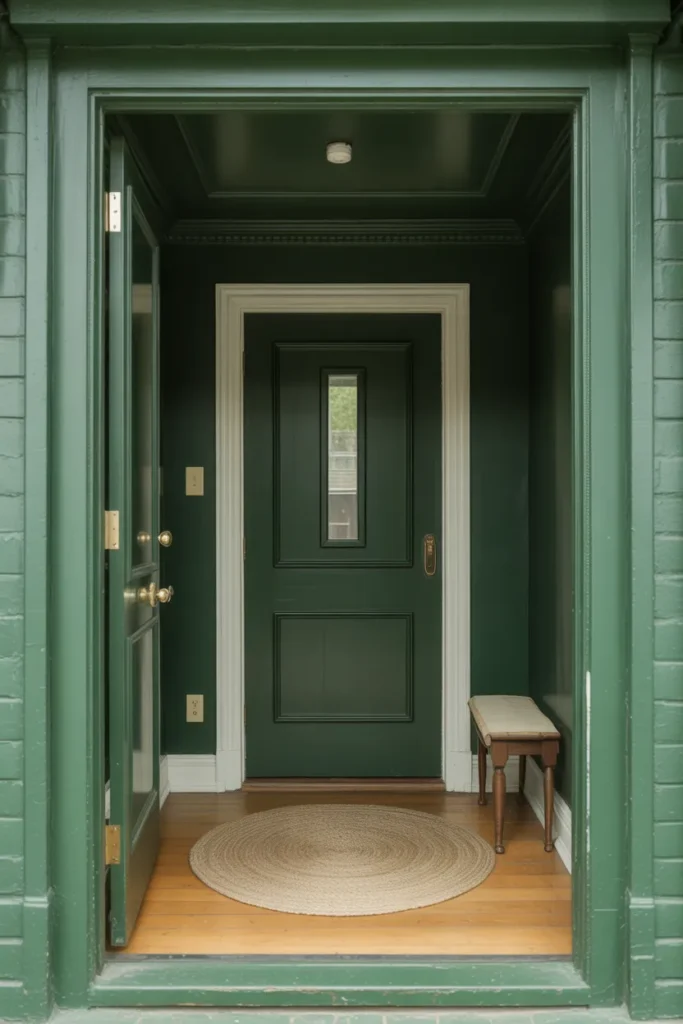
Here’s what surprises most people: a foyer is the one room where going bold always works. Because it’s small, you experience it briefly — which means a deep, saturated color reads as dramatic and intentional rather than overwhelming.
Deep forest green, inky navy, warm terracotta, and dusty plum are all strong foyer color directions for 2026. Paint all four walls including the ceiling for a fully enveloping, jewel-box effect.
Keep everything else simple. White trim, a light floor, minimal accessories. The color is the decoration.
This is also one of the most pinnable foyer looks on the internet right now — high contrast, high drama, single subject. It photographs exceptionally well.
10. The Console Styling Formula That Always Looks Intentional
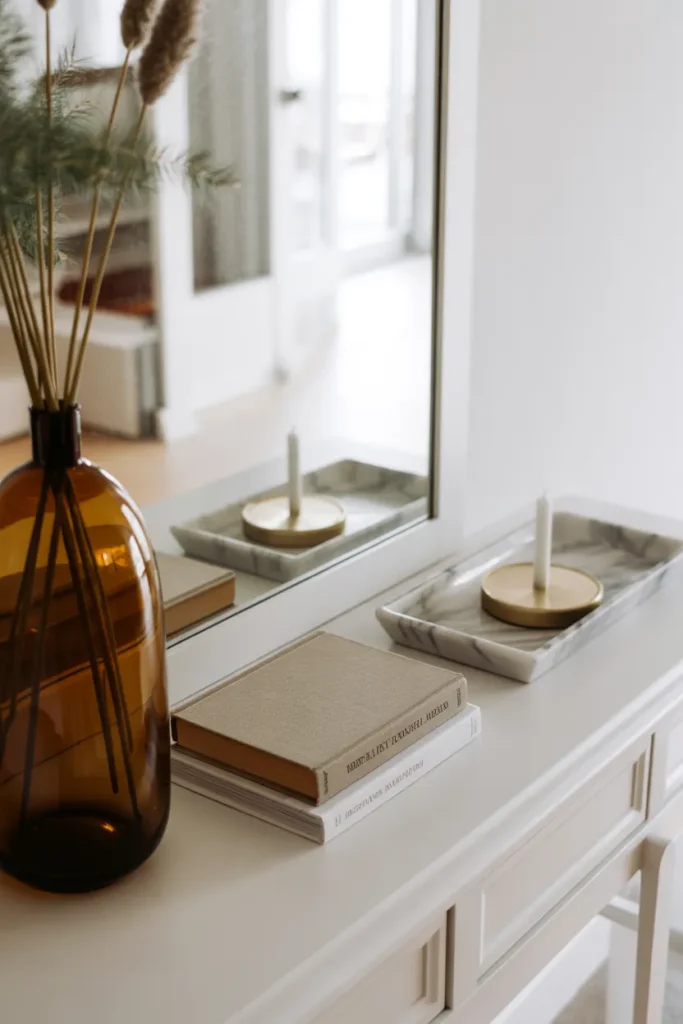
Do this: Style your console in a triangle — one tall element (lamp or vase), one mid-height object (book stack or small sculpture), one low/flat item (tray or small dish). The eye travels naturally between them.
Not that: Three objects of similar height lined up in a row. It reads flat and undesigned.
The triangle rule works because it creates visual movement. Your eye enters at the tall point, moves to the mid element, rests at the low point, and then travels back. That loop is what makes a styled surface feel “finished.”
Limit yourself to three to five items maximum. A tray counts as one item, even if it holds three small things inside it.
11. How to Use Plants in Your Foyer Without Them Dying Immediately
Most foyers have low light — which means most plants fail. The fix is choosing the right plant, not adding more light.
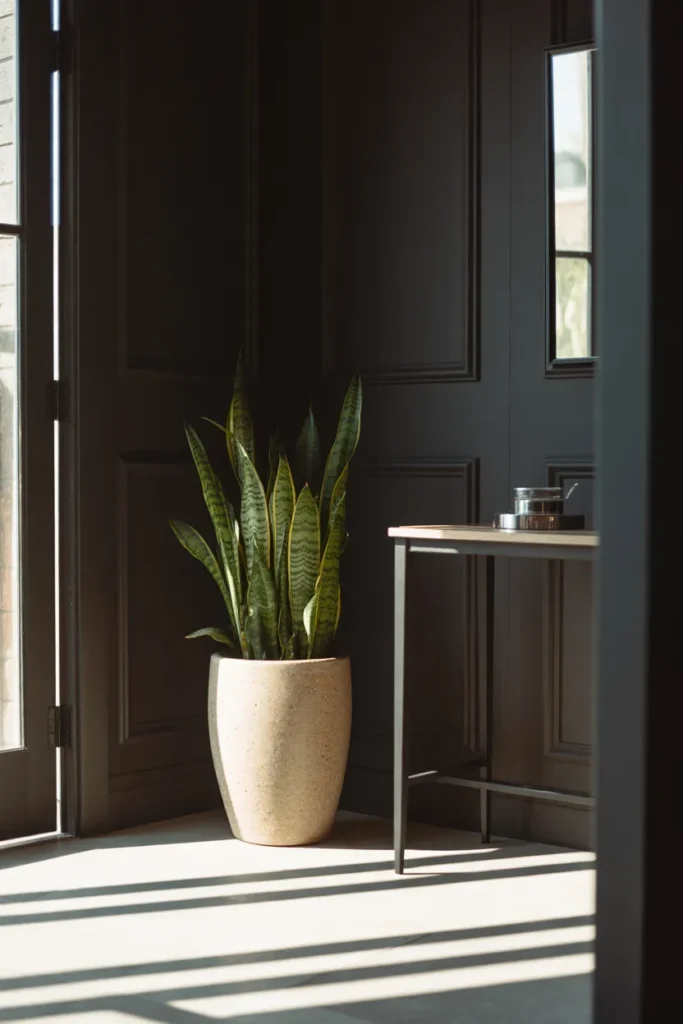
Cast iron plants, ZZ plants, snake plants, and pothos all thrive in low-light entry conditions. A tall snake plant in a textured ceramic pot in the corner of a foyer is one of the most effective and affordable styling moves available.
For the look without the maintenance, high-quality dried botanicals are having a strong moment in 2026 foyer design. Dried pampas, preserved eucalyptus, and dried palm leaves last indefinitely and photograph beautifully.
One tall plant or botanical arrangement does more than a collection of small ones. Scale matters. Go bigger.
12. Small Foyer Decoration Ideas That Work in Under 40 Square Feet
A small foyer doesn’t need fewer ideas — it needs the right sequence. Start with the wall, then the floor, then the vertical space. In that order.
The wall comes first because it’s the first thing you see. A mirror, a single large piece of art, or a textured finish gives the space a focal point before you’ve bought a single piece of furniture.
Then the floor: one right-sized rug (bigger than you think). Then vertical: hooks, a wall-mounted shelf, or a tall plant. Only then should you add a console or bench — and only if the square footage genuinely supports it.
Most small foyers are over-furnished. Empty floor space is not wasted space — it’s breathing room, and it makes everything else look better.
13. How to Decorate a Foyer With No Natural Light
No window? No problem. Three directions that work:
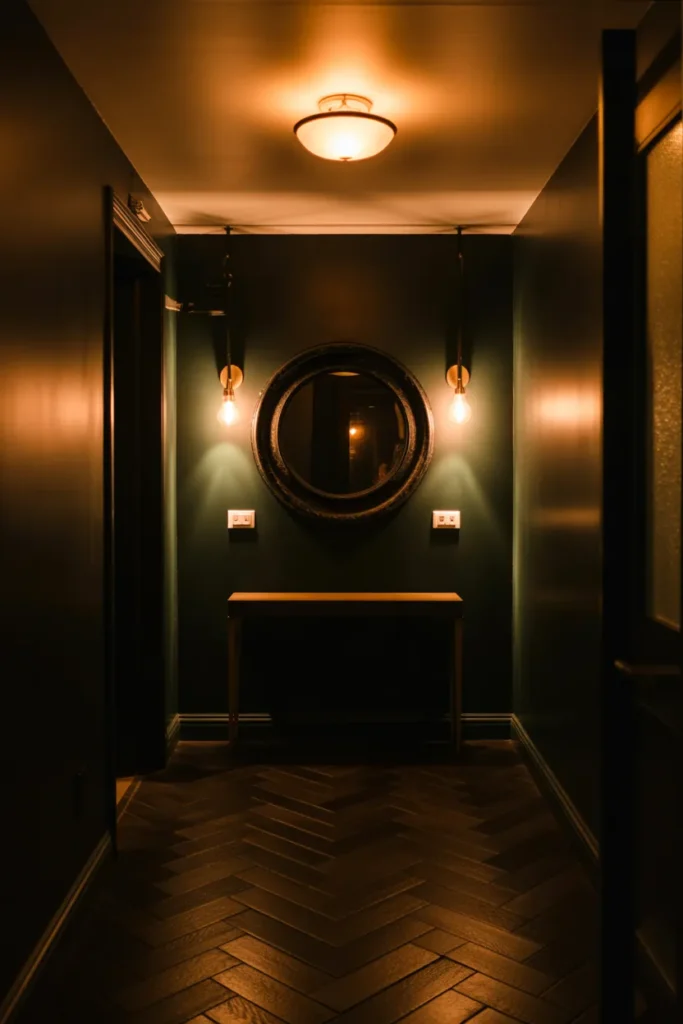
- Go dark and lean in. Deep wall color, warm artificial lighting, reflective surfaces (mirror, brass, glass). The cave effect feels intentional, not dim.
- Go light and reflective. White or cream walls, large mirror, multiple warm light sources. Fake the brightness.
- Go textural. Limewash, grasscloth, or paneling. Texture reads visually rich even without light hitting it at an angle.
The worst choice: leaving a no-light foyer as-is with flat white walls and one overhead bulb. It reads unfinished every time.
Add a plug-in sconce — no electrician needed — for instant warmth at the wall level.
14. The Entryway Bench Trick That Makes Getting Ready Easier and Looks Better
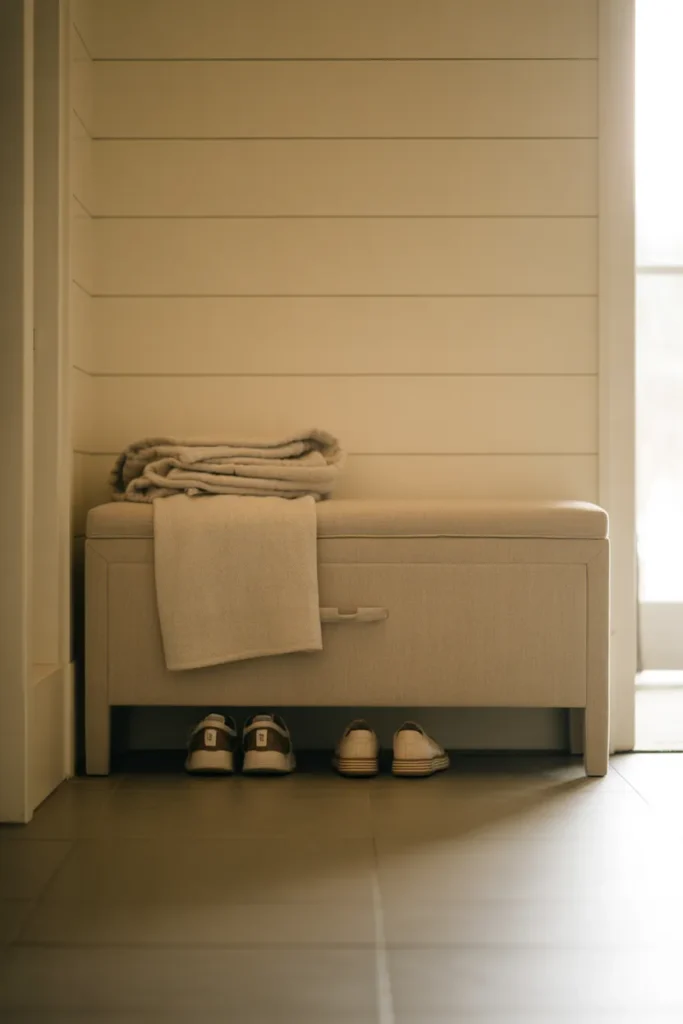
A bench in the foyer is not just about looks — it changes how you use the space. Sitting down to put on shoes takes 10 seconds. Hopping on one foot takes 30 and usually ends with something knocked over.
Choose a bench with storage inside or with an open lower shelf. Hidden storage handles overflow — seasonal items, dog leashes, extra bags. The shelf handles everyday shoes styled in a row.
Keep the top of the bench clear. One small pillow or folded throw is the maximum. The moment it becomes a drop zone, the foyer loses its look.
Bench height matters: 17–19 inches is the comfortable seated height. Lower than that is decorative, not functional.
15. How to Make Your Foyer Look Expensive Without a Renovation
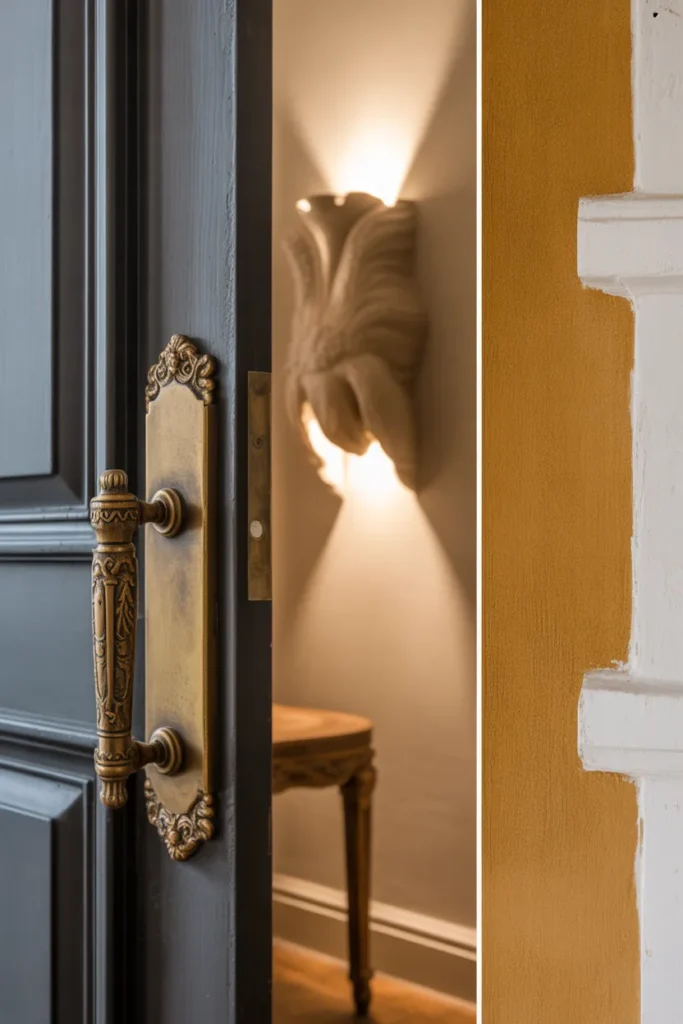
Do this: Upgrade three things — the light fixture, the door hardware, and one wall treatment. These three surfaces are what people actually notice.
Not that: Buy more accessories and arrange them on a surface. Accessories never elevate a space the way architectural or fixture changes do.
A new light fixture costs less than most people think and takes an hour to swap. New door hardware — handle, hinges, deadbolt — in a consistent finish changes the entire entry. A limewash treatment or peel-and-stick wallpaper panel on one wall adds material richness that no amount of decorating can replicate.
These are the moves that make people ask “did you renovate?” when you didn’t spend anywhere near renovation money. That’s the goal for any foyer decoration idea worth saving in 2026.
Conclusion
Your foyer is the first impression and the last thing you see when you leave — it deserves the same intention as any other room in your home. Save this post so you can come back to these ideas as your space evolves, and pin your favorites to your home design board for easy reference. There are always more ways to make a space feel like yours — keep exploring.