Choosing the right kitchen layouts 2026 trends means balancing flow, function, and a quiet sense of style. These 18 ideas help you decide what works for your space, light, and daily routines.
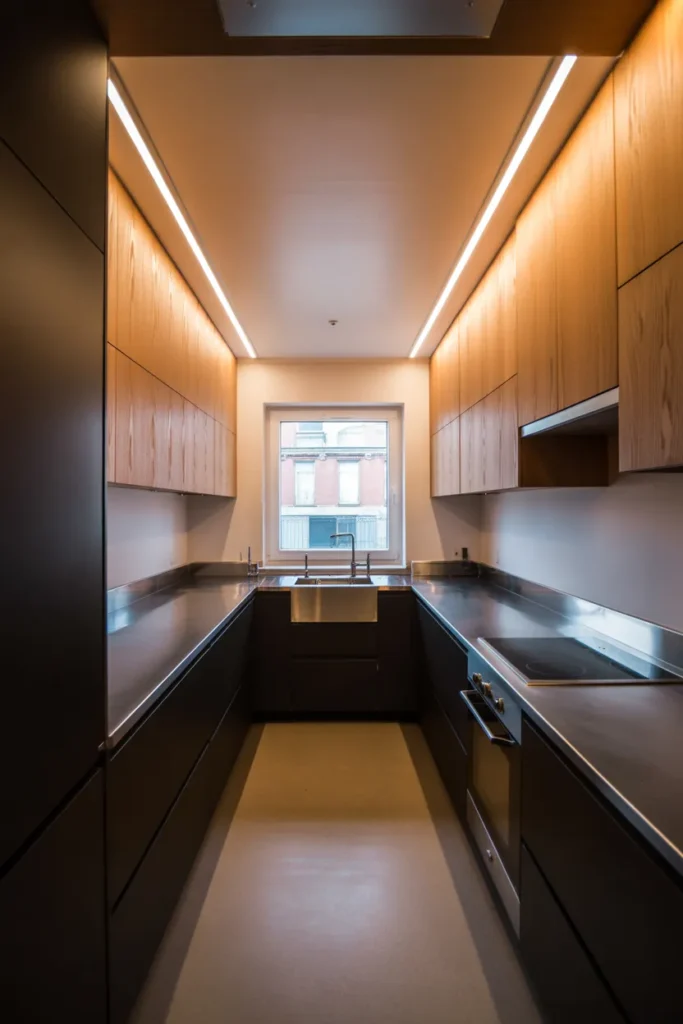
1. The Deep-Zone Galley for Focused Cooking
Narrow but not cramped, this layout uses two full-height runs of cabinetry with a clear aisle between. One side is prep and cooking; the other is storage and cleanup. Deep drawers replace lower cabinets, and the ceiling has continuous linear lighting.
The result feels like a professional studio kitchen. It works best for cooks who want everything within reach and no wasted steps.
2. Broken-Plan L-Shape with a Visual Pivot
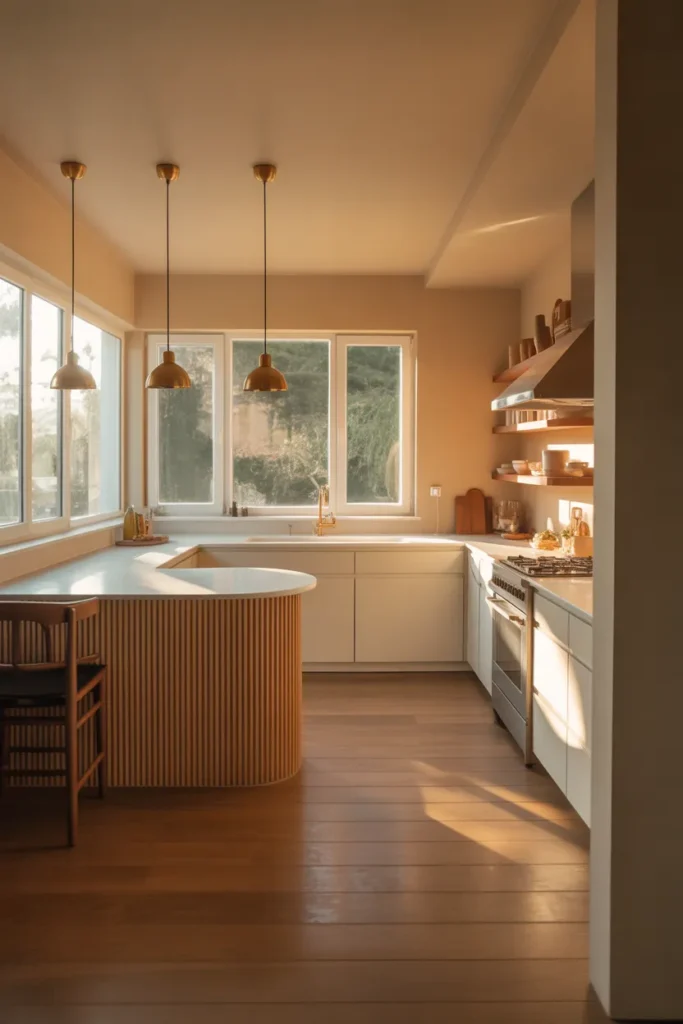
An L‑shaped perimeter leaves one corner open, but instead of a full wall, a low storage peninsula creates a subtle break. This defines the cooking zone without blocking sightlines. Use pendant lights over the peninsula as the visual pivot.
It is ideal for medium open plans where you want separation without losing connection to a dining or living area. The shorter leg of the L works perfectly for a coffee station or bar corner.
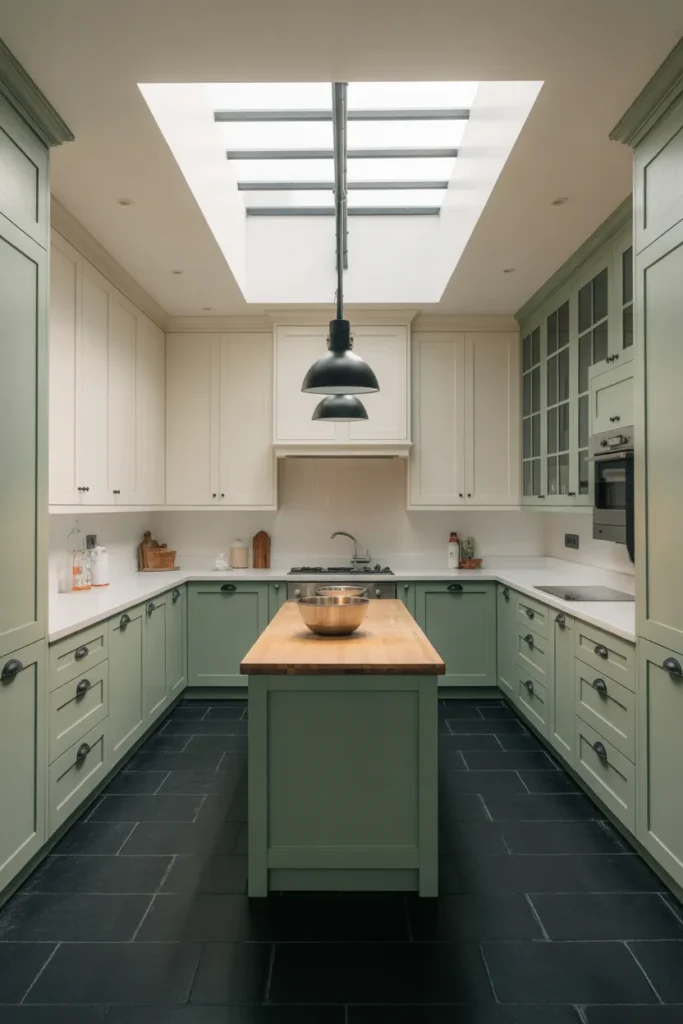
3. U‑Shape with a Sunken Workstation
Three walls of countertop create the classic U, but the center island is replaced by a lowered worktable (about 30 inches high). This sunken zone is for chopping, kneading, or laptop work. The surrounding counters stay clear.
Use adjustable task lighting directly over the lowered table. This layout reduces shoulder strain and keeps the main perimeter uncluttered. Great for avid home cooks or bakers.
Image prompt:
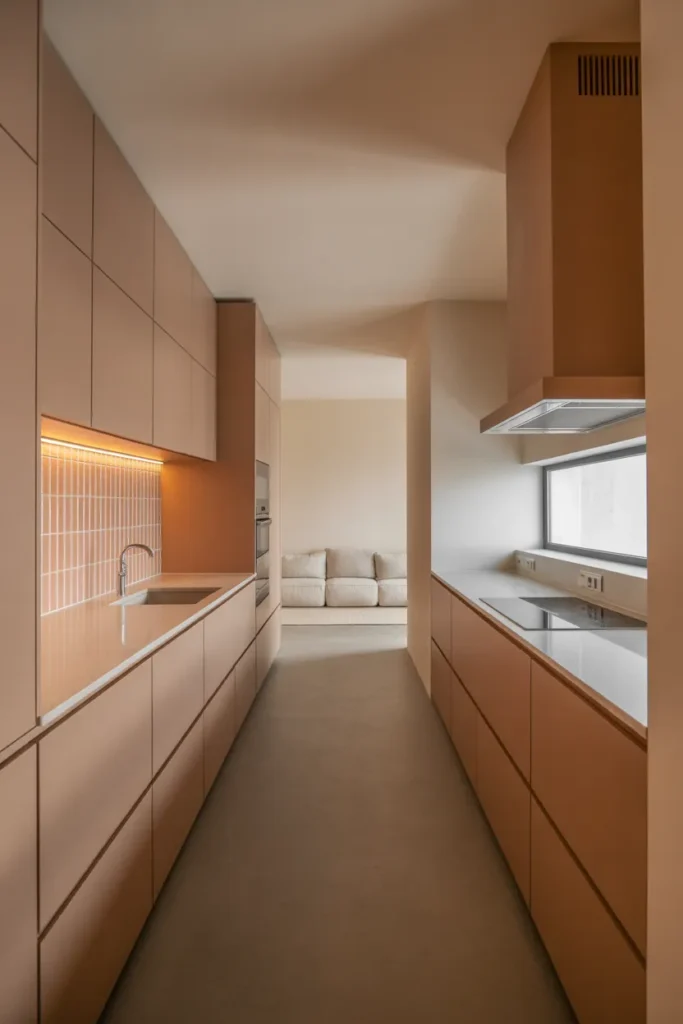
4. Parallel Walkthrough with a Monochromatic Palette
Two parallel counter runs face each other, and the kitchen is a pass‑through between two rooms. To keep it calm, use a single color for cabinets, walls, and backsplash — a soft taupe or muted clay. The lack of contrast reduces visual noise.
Task lighting is embedded under the upper cabinets on both sides. This layout shines in homes where the kitchen is a natural hallway but you still need full function.
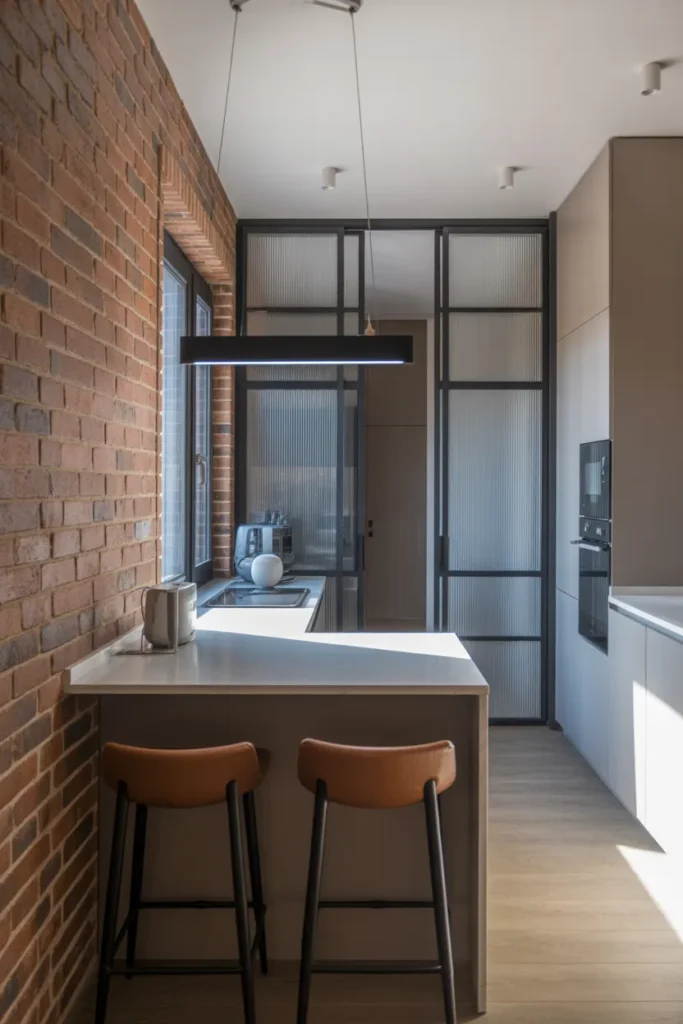
5. Island‑Free Peninsula for Narrow Open Plans
When an island would block flow, a peninsula extending from one wall creates counter seating and storage without dividing the room. Use a single waterfall end on the peninsula for a modern anchor.
Hang a linear pendant directly above the overhang. The rest of the kitchen stays as an efficient G‑shape. Perfect for apartments or narrow townhouses where every inch counts.
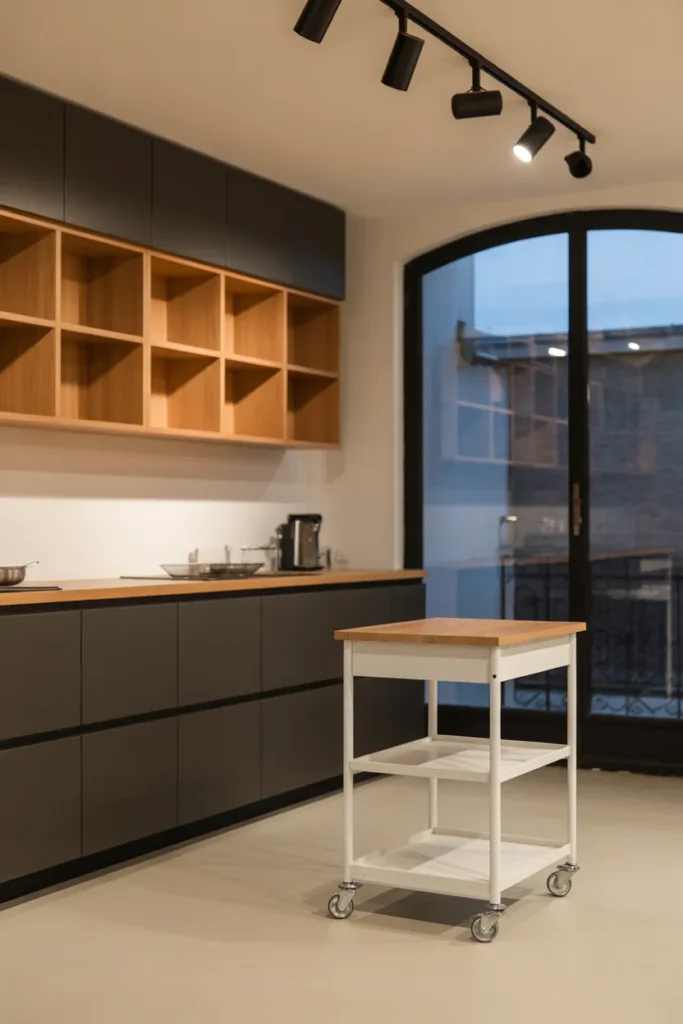
6. Single‑Wall with a Mobile Prep Cart
One continuous wall holds all appliances and storage. Instead of fixed cabinetry opposite, use a tall, narrow rolling cart with a butcher‑block top. It tucks away when not needed and moves to wherever you prep.
Lighting comes from a track system on the ceiling aimed at the wall. This layout is for those who want a permanent kitchen footprint but occasional extra surface. No demolition required.
7. Corner Kitchen with a Diagonal Island
Place the main work triangle in a corner of a large room. Then set a small, diamond‑shaped (diagonal) island so its points face the sink, stove, and refrigerator. The geometry shortens walking distances.
Use a single dramatic globe pendant over the island’s center. All other lighting is recessed and dimmable. This solves the “dead space” problem of large, square rooms.
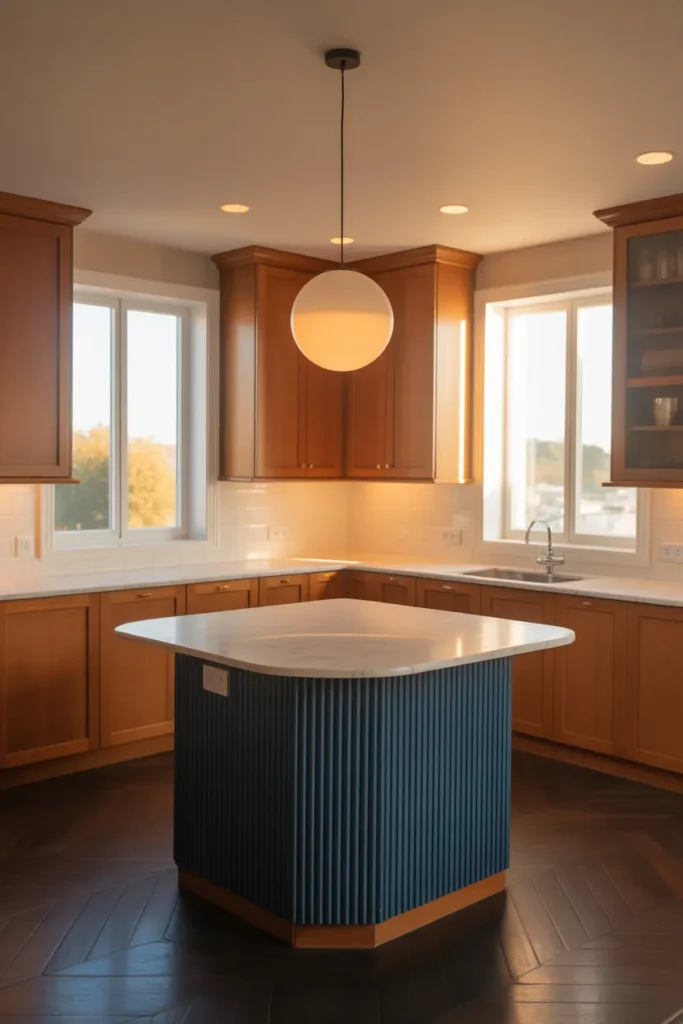
8. Two‑Tier Island Layout for Multi‑Height Tasks
The island has a raised back section (for hiding sink clutter) and a lower front section (for seating). But here, swap it: lower prep area for rolling dough, raised eating bar for standing quick bites. This unexpected switch improves ergonomics.
Use under‑counter lighting on the lower tier and mini pendants on the raised tier. Best for families who eat breakfast standing or do pastry work seated on tall stools.
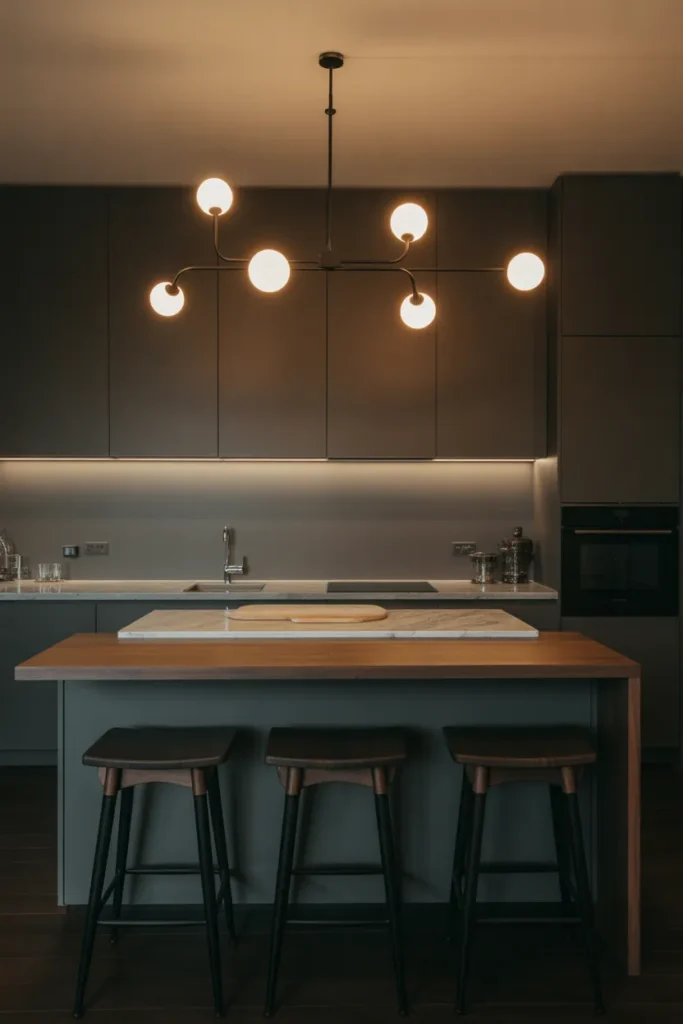
9. Enclosed Butcher’s Core (Room Within a Room)
Instead of an open layout, build a small, glass‑enclosed cube in the center of a larger kitchen. Inside is a heavy butcher block table, a pot filler, and a ventilation grill. The rest of the kitchen (sink, fridge, storage) wraps around the outside.
Light the cube with warm directional spots from above. The glass keeps sightlines open but contains mess and heat. Excellent for serious home cooks who prep for hours.
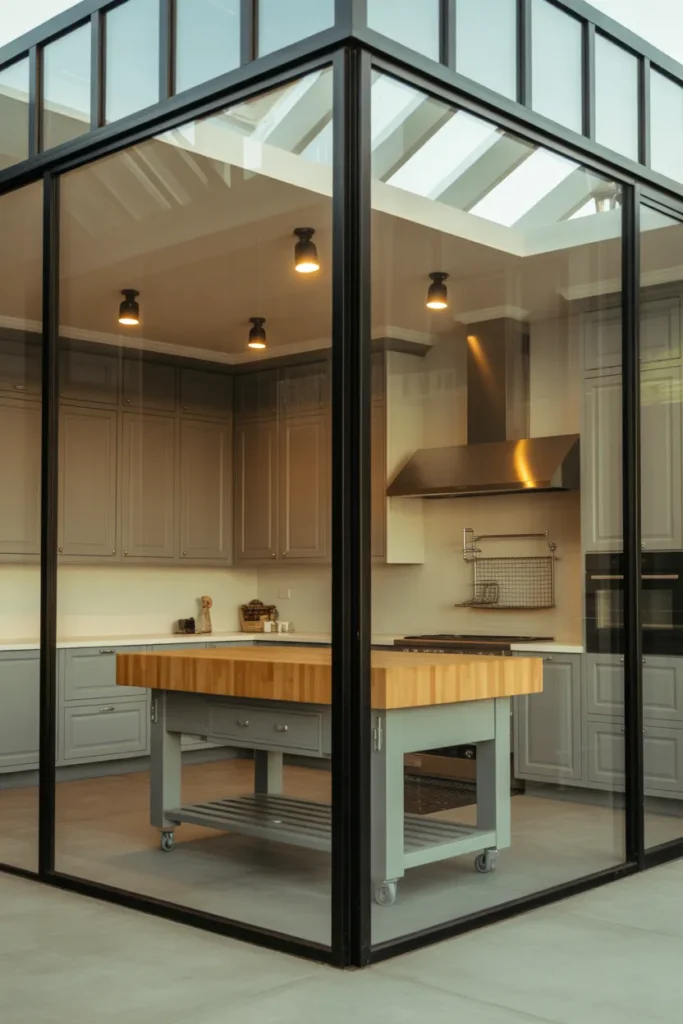
10. Asymmetrical G‑Shape with a Banquette Nook
A G‑shape adds a partial fourth leg. Make that leg a low banquette seat with storage underneath, facing away from the cooking zone. The seat’s back becomes a small ledge for spices or phones.
Use warm, indirect cove lighting above the banquette and cool task lights over the counters. This layout blends dining and cooking in a medium footprint without a separate table.
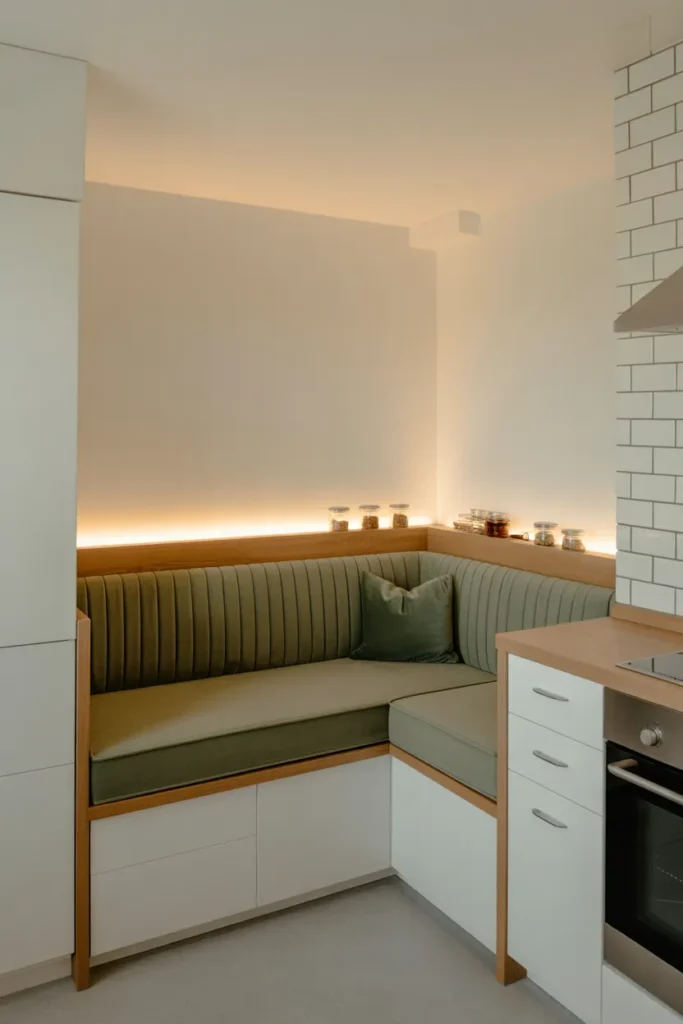
11. Kitchen‑Adjacent Scullery with Hidden Mess
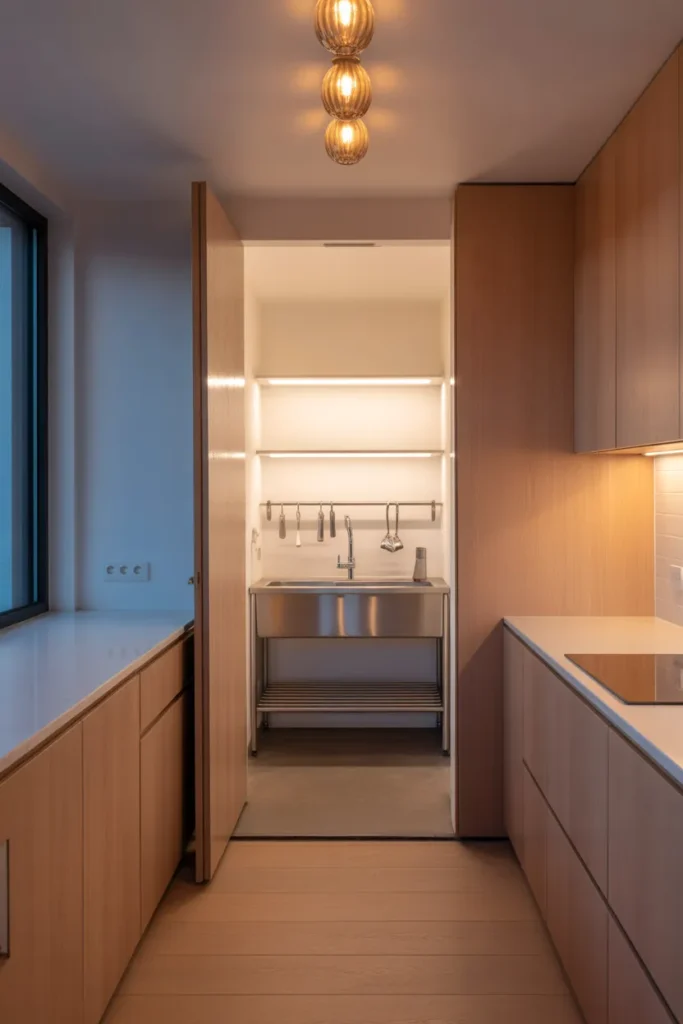
The main kitchen layout is a simple straight line or L‑shape for show. Directly behind it (through a doorway or pocket door) is a narrow scullery with a second sink, dishwasher, and bulk storage. All dirty prep happens there.
Light the main kitchen with decorative pendants. Light the scullery with bright, utilitarian linear LEDs. This is for those who want a pristine public kitchen and a functional private workspace.
12. Curved Perimeter for Soft Flow
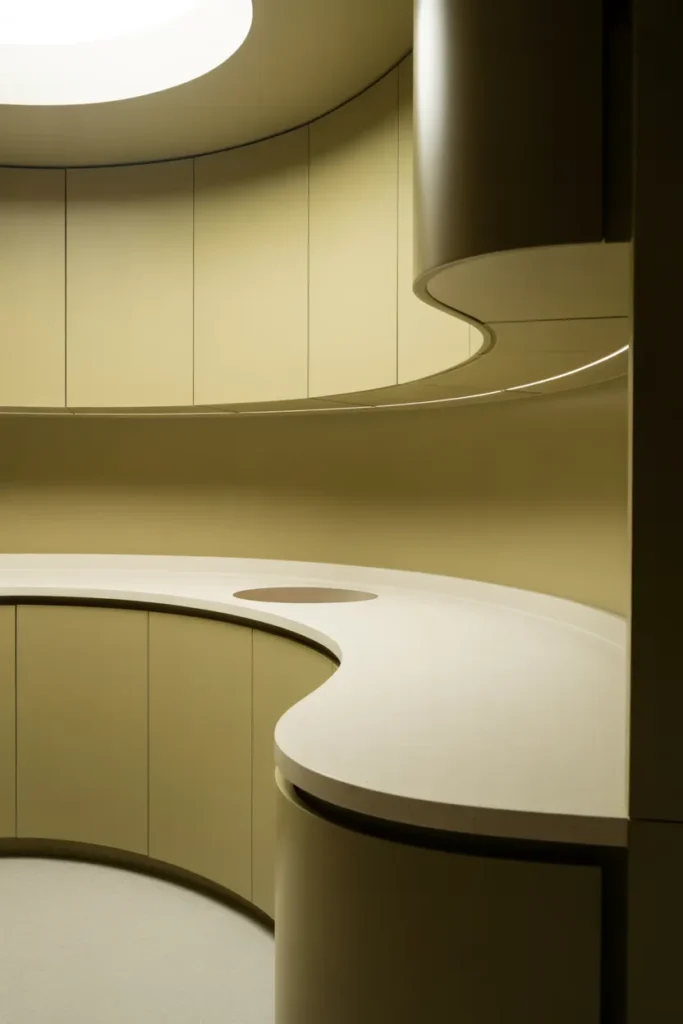
Instead of 90‑degree corners, the countertops and lower cabinets curve gently. The sink sits in a soft arc, and the range is on a straight but rounded‑end run. Upper cabinets are standard rectangles to keep storage efficient.
Use a continuous line of dimmable LED tape under the curved counter edge. The lack of sharp corners improves traffic flow and feels more organic. Great for families with small children or tight turns.
13. Long, Low Ceiling with Horizontal Emphasis
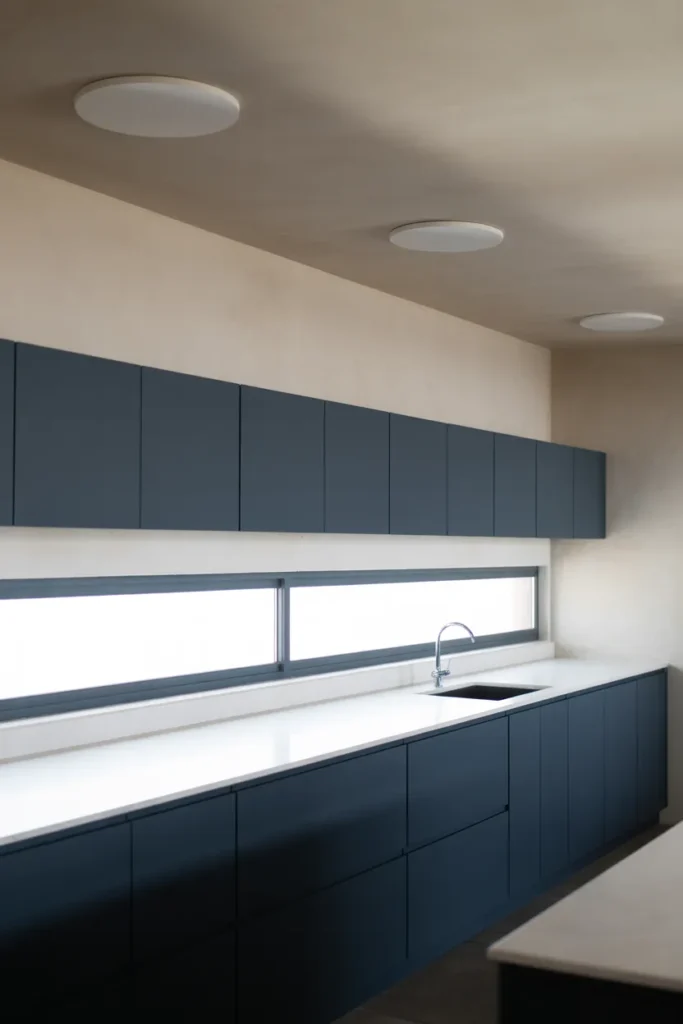
In a room with a low ceiling (under 8 feet), avoid vertical stacks. Instead, use one long, continuous run of lower cabinets with a very shallow upper cabinet that is only 12 inches tall. The rest of the wall is open.
Lighting is a series of flush‑mount, wide discs spaced evenly. This layout tricks the eye into seeing width, not height. Perfect for basements or converted attics.
14. Central Hearth Kitchen (Island as Fireplace)
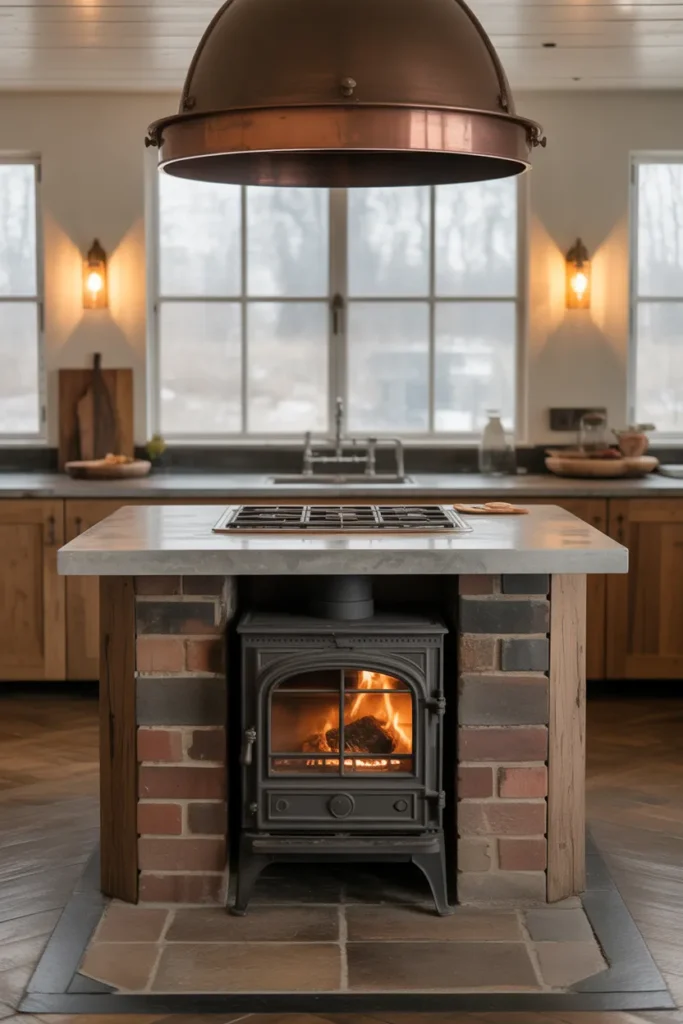
Place a small, wood‑burning cookstove or fireplace in the center of a square island. The island top extends around it as prep space. The perimeter holds refrigeration, sink, and dry storage. This is not just for cooking — it becomes the home’s heat and heart.
Use low, ambient sconces on the perimeter walls and a single metal exhaust hood above the stove. Best for rural homes or cabins with cold winters.
15. Offset Twin Sinks Layout
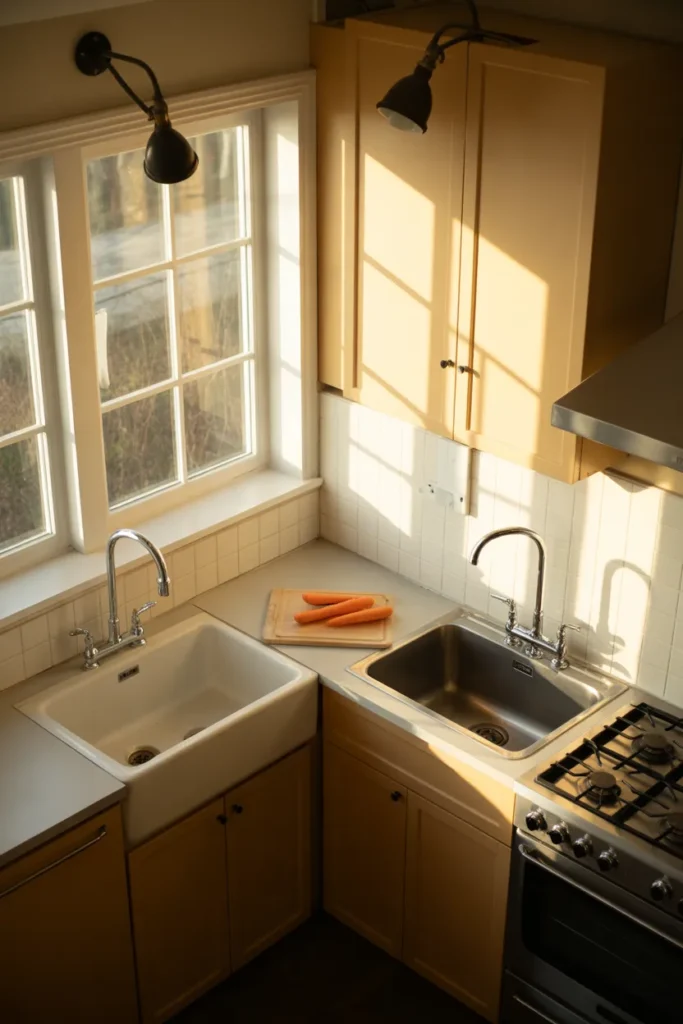
Two full sinks are placed not side by side, but on opposite runs of an L‑shaped or U‑shaped kitchen. One near the refrigerator for washing produce, one near the stove for draining pasta. They are offset so two people can work back‑to‑back without colliding.
Use separate task lighting over each sink. This layout is for couples or roommates who cook together but have different rhythms.
 .
.
16. Sliding Panel Storage Wall (Not Upper Cabinets)
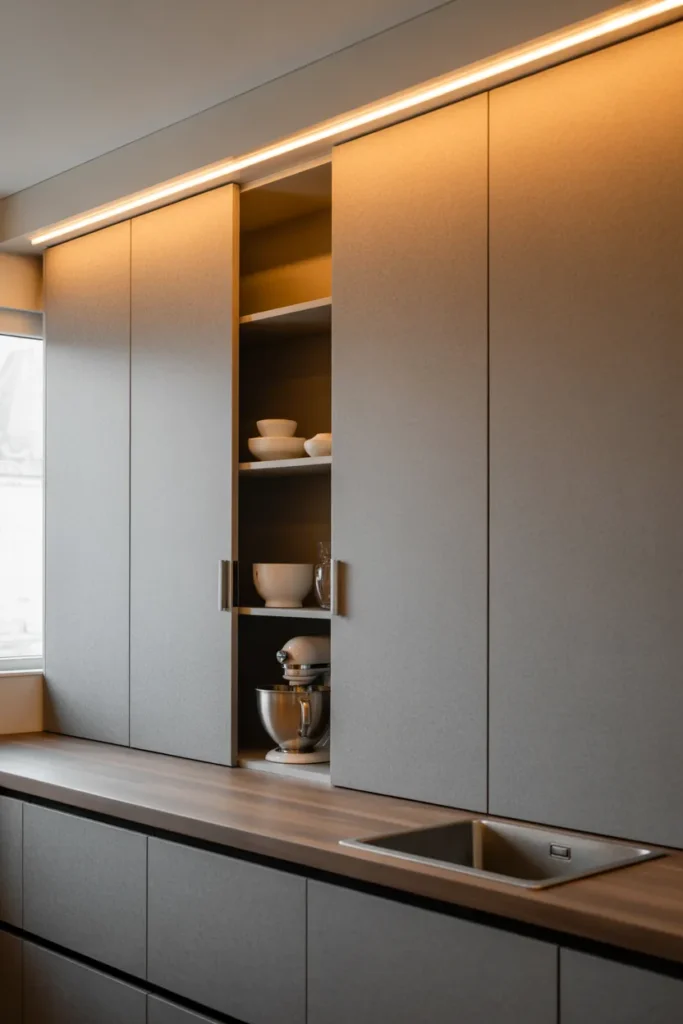
Instead of upper cabinets, install a floor‑to‑ceiling track system with large sliding panels (like barn doors but flush). Behind them are open shelves, small appliances, and spices. When closed, the kitchen looks like a plain wall with a single counter below.
Lighting is a slim LED profile at the top of the track, washing light down the panels. This ultra‑minimal layout is for those who hate visual clutter.
17. The “No Upper” Layout with a Pot Rail
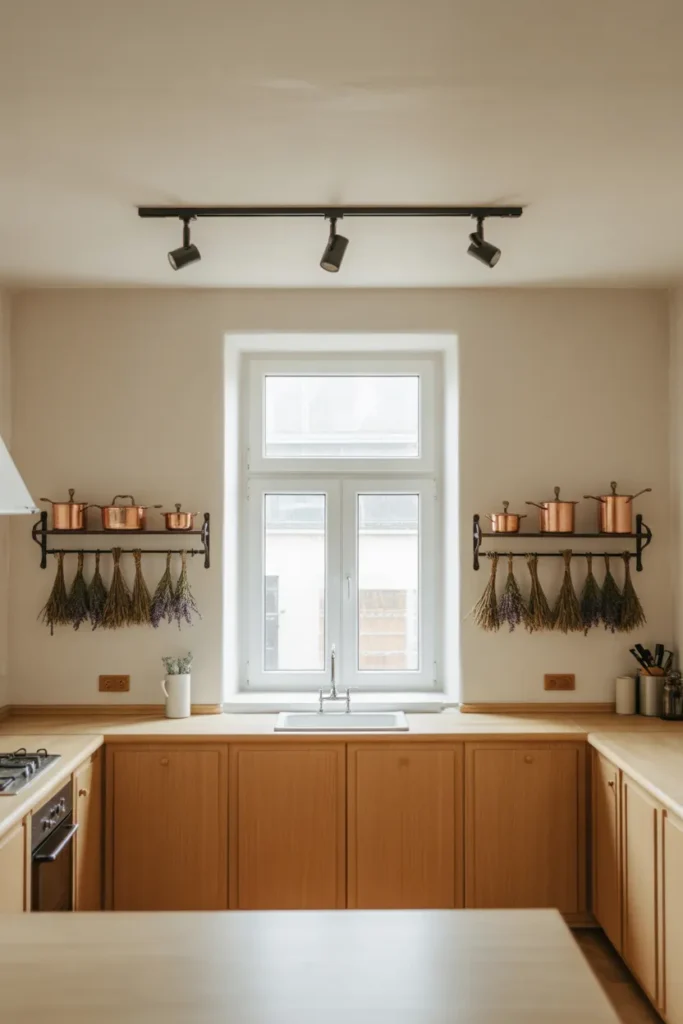
Zero upper cabinets on any wall. Instead, a simple black iron rail mounted at eye level holds hooks for pots, utensils, and drying herbs. Base cabinets are deep and full‑height. The absence of upper cabinets makes even a small kitchen feel vast.
Use a single row of adjustable spotlights on a ceiling track aimed at the counter. This layout is ideal for those who want to display their tools and enjoy open airiness.
18. Zoned Island (Cook, Clean, Eat, Work)
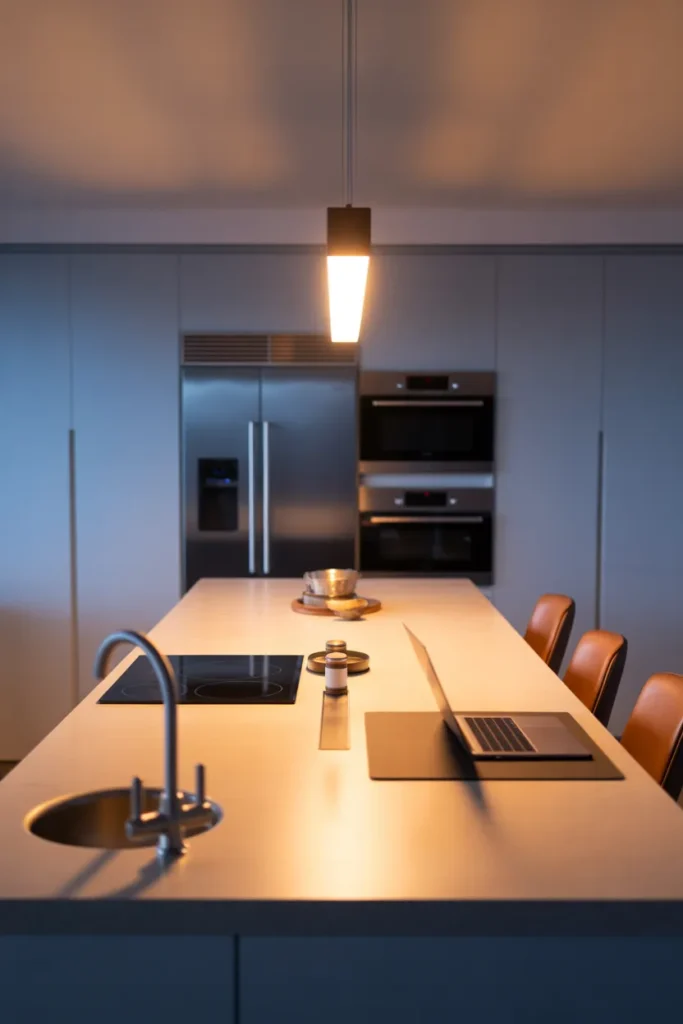
A very long island (at least 10 feet) is divided into four zones: a small prep sink zone, a flush induction cooktop zone, a bar seating zone, and a laptop work zone. Each zone has its own dedicated lighting: pendant over seating, low‑glare linear over laptop, directional spots over cooktop.
The perimeter is just refrigerator, wall oven, and dish storage. This is the ultimate multitasking layout for busy households where the island does everything.
Conclusion
Save this guide for your next kitchen planning session. Each of these kitchen layouts 2026 ideas can be adapted to your actual space and light. Pin your favorite image prompts, then explore more layout deep dives on our blog.