
Choosing the right lattice fence can feel overwhelming when every option looks the same online. This guide breaks down 10 distinct lattice fence inspirations — each with a clear purpose, a specific use case, and honest guidance on what works and what does not. Whether you are enclosing a small backyard, adding privacy to a patio, or upgrading a garden border, you will leave with a clearer decision.
1. Classic White Wood Lattice for a Clean Garden Border
White painted wood lattice is one of the most timeless choices for garden borders in traditional and cottage-style yards. The clean contrast against greenery makes plant arrangements stand out, and the open diamond pattern allows airflow without fully exposing the space behind it.
This works best when you want a defined boundary without a heavy visual barrier. It suits smaller yards where a solid fence would feel suffocating. The lattice creates structure while keeping the space feeling open and light.
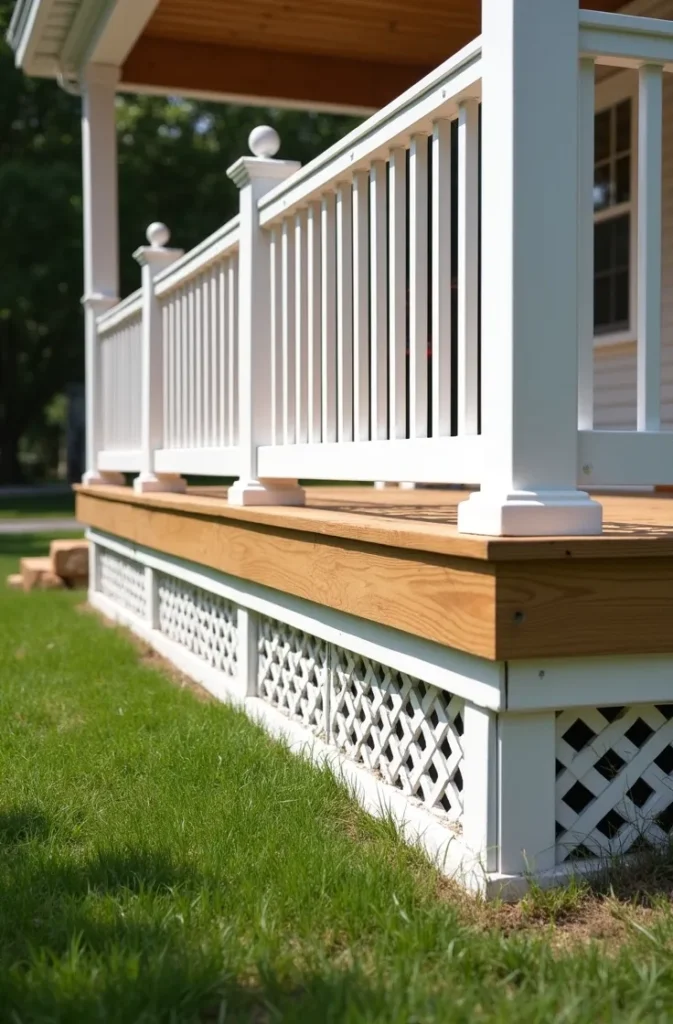

The most common mistake here is skipping a primer coat before painting. Untreated wood lattice in outdoor conditions warps and peels within two seasons. Always use exterior-grade paint and seal the posts at ground level to extend the lifespan.
If you have a cottage garden, a front yard flower bed, or a porch that needs a soft decorative border, classic white wood lattice is one of the most reliable and affordable options available.
2. Black Metal Lattice as a Modern Yard Divider
Black powder-coated metal lattice brings a sharp, architectural quality to outdoor spaces. Where white wood reads as soft and traditional, black metal reads as modern and intentional. It creates a strong visual line without the weight of a solid fence panel.
This is the right choice when you want to divide two outdoor zones — a dining area from a lawn, or a garden bed from a walking path — without blocking light or sightlines. It works particularly well in yards with modern home architecture, concrete pavers, or minimalist landscaping.
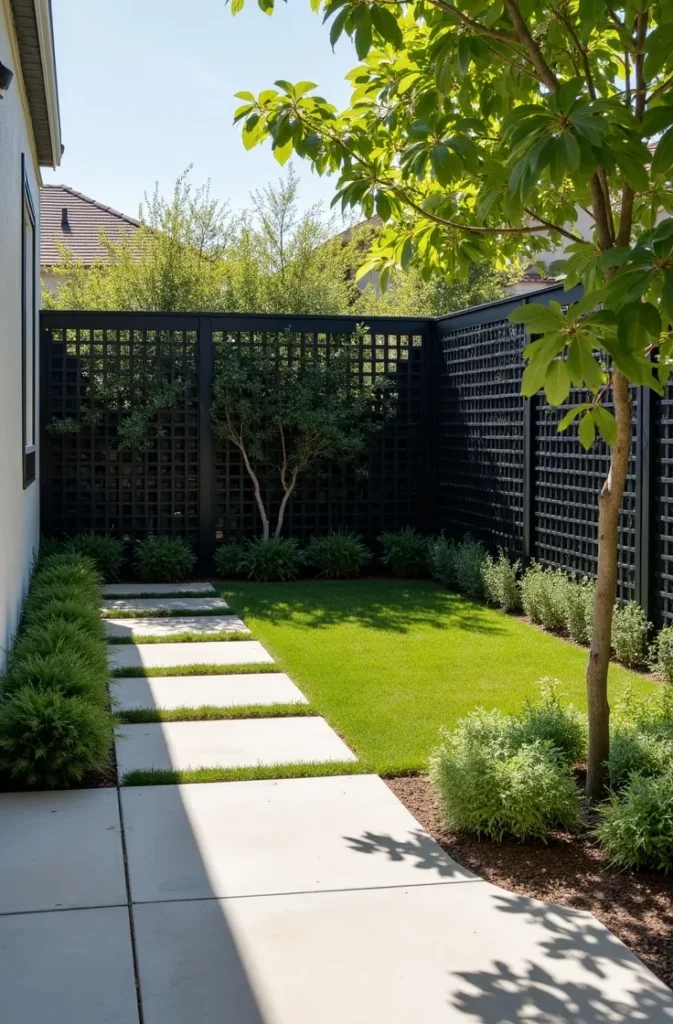
One thing to consider: black metal absorbs heat. In direct sun in warmer climates, this can affect climbing plants trained on it. If you plan to grow vines on a black metal lattice, choose heat-tolerant varieties or position it where it gets afternoon shade.
For small urban yards or side passages that need structure without bulk, black metal lattice delivers a cleaner, longer-lasting result than painted wood at a similar or slightly higher upfront cost.
3. Natural Cedar Lattice for a Warm, Rustic Privacy Screen
Unfinished or lightly stained cedar lattice has a warmth that painted wood and metal cannot replicate. The natural grain and honey tones of cedar age gradually into a silver-gray that many homeowners find even more attractive than the original finish.
Cedar is also naturally resistant to insects and moisture, which makes it a smarter long-term investment than standard pine lattice in humid climates. If you live in the Southeast or Pacific Northwest, cedar is the practical choice, not just the aesthetic one.
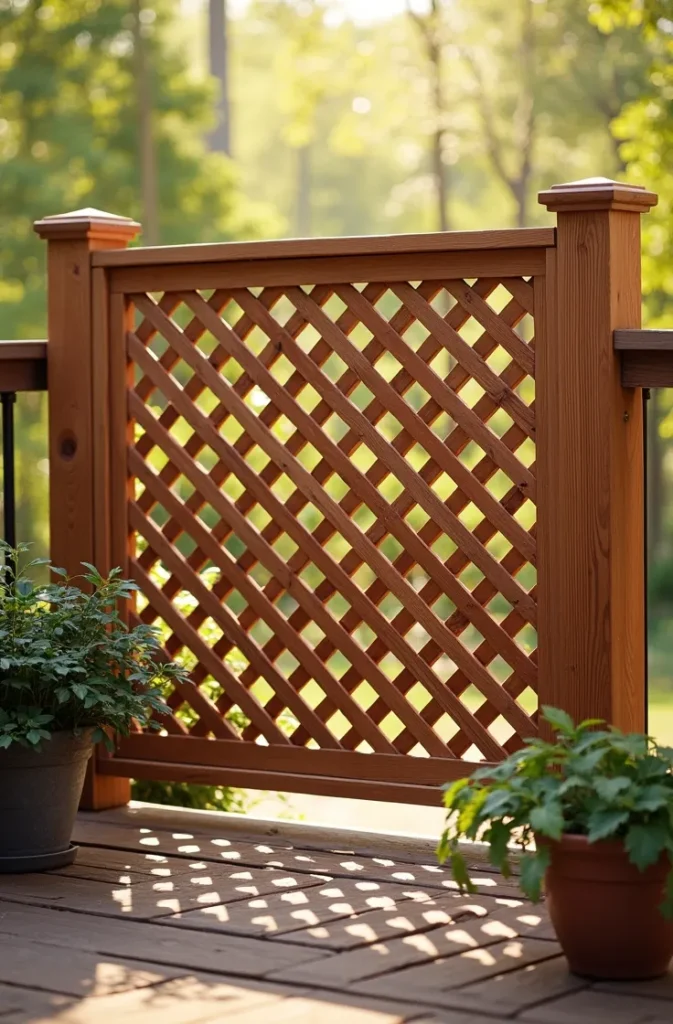
This type of lattice works well as a privacy screen on a back deck or patio. Because cedar lattice panels can be cut to custom heights, you can create a screen that blocks the sightline from a neighbor’s second-story window without walling off your entire yard.
Avoid using cedar lattice directly on soil contact without treatment. Even rot-resistant cedar breaks down faster when buried or kept constantly wet. Use treated posts and keep the lattice panel itself above the ground line.
4. Painted Sage Green Lattice for a Garden Wall Accent
Color is underused in lattice fence design. Sage green lattice against a cream or white exterior wall creates a layered, intentional garden aesthetic that feels curated without looking overdone. It ties the fence into the surrounding planting palette rather than treating it as a separate structure.
This approach works especially well on the side of a garage, a garden shed wall, or a fence panel that backs onto a flower bed. The green reads as part of the landscape rather than a hard structural element.
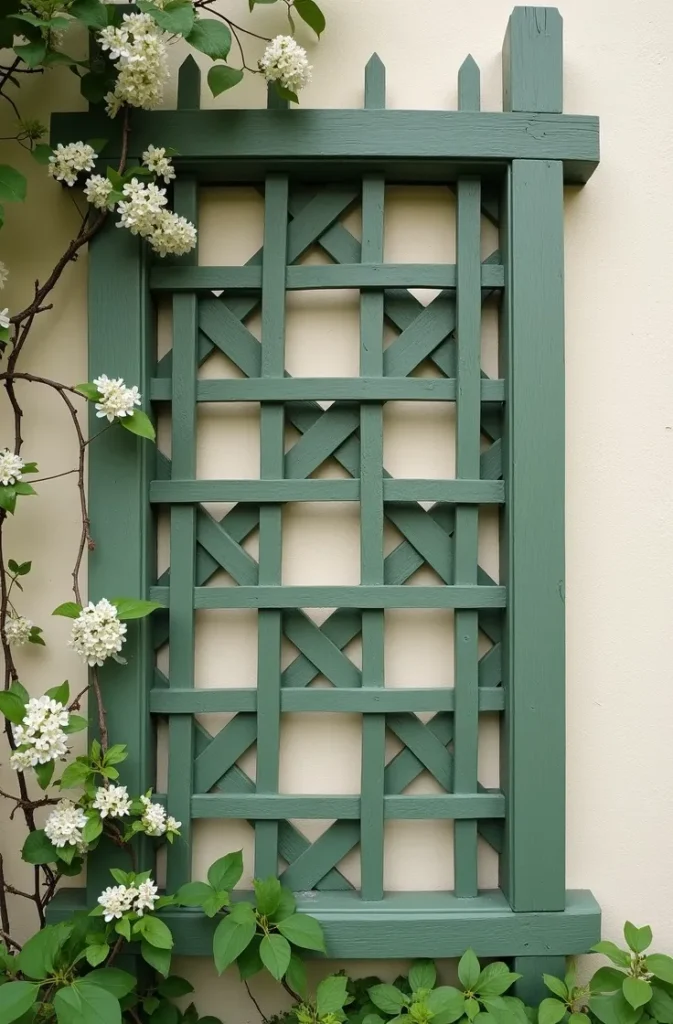
The practical benefit is that sage green paint hides dirt, algae, and weather staining far better than white. In shaded or damp areas where white lattice turns gray quickly, a deeper color stays cleaner looking longer with less maintenance.
Choose an exterior latex paint with a satin or semi-gloss finish for the best durability. Matte finishes hold moisture and tend to peel faster on outdoor wood that expands and contracts with temperature changes.
5. Expanded Vinyl Lattice for Low-Maintenance Deck Skirting
Vinyl lattice is the most maintenance-free option available. It does not rot, does not need painting, and does not warp in wet climates. For deck skirting — covering the gap between the deck frame and the ground — vinyl lattice is often the most practical choice.
It comes in white, tan, and gray tones and is designed to snap into aluminum or vinyl channels, making installation a DIY-friendly project for most homeowners. Unlike wood, it holds its shape and color for decades without any seasonal upkeep.
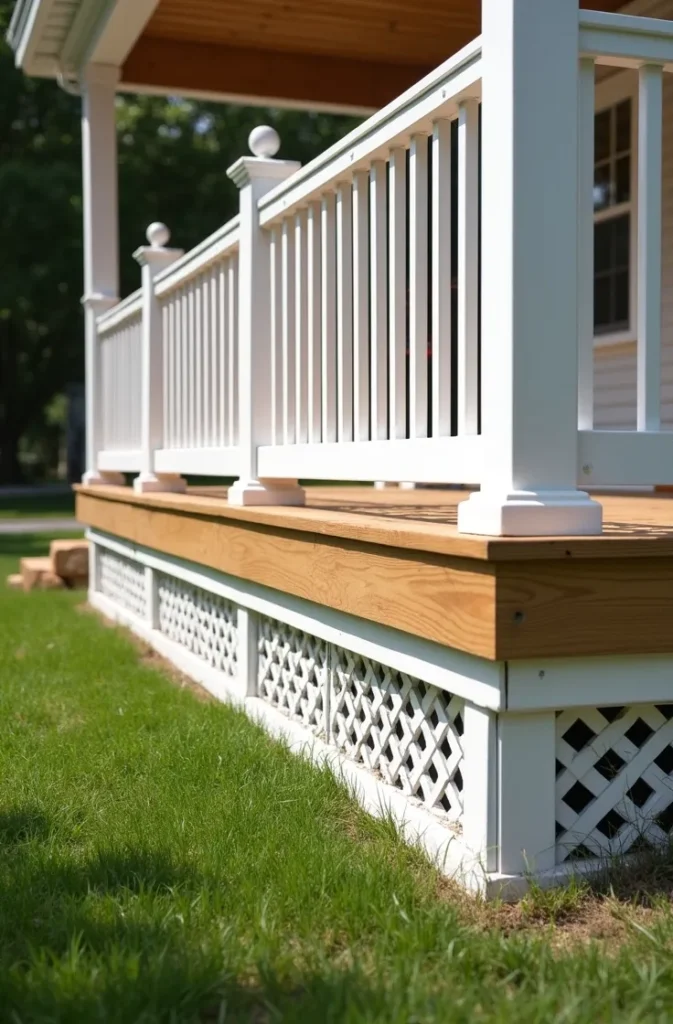
The tradeoff is in aesthetics. Vinyl lattice has a flatter, more uniform look than natural wood. The panels can flex in strong wind if not properly framed. For a clean result, always use a rigid frame system rather than stapling or nailing the panel directly to the structure.
If your goal is pure function — concealing the underside of a deck, hiding utility equipment, or creating a clean visual base — vinyl lattice delivers without the upkeep burden that wood brings in outdoor conditions.
6. Tall Diagonal Lattice Panels for Side Yard Privacy
Side yards are one of the most underutilized spaces in residential design, often left as empty corridors that feel awkward and ignored. Tall diagonal lattice panels — oriented at 45 degrees rather than the standard square grid — add a visual dynamic that makes the narrow space feel intentional rather than leftover.
At heights of six to eight feet, diagonal lattice creates meaningful privacy from neighbors while the open pattern avoids the tunnel-like feeling a solid fence would create in a narrow passage. The diagonal lines also draw the eye forward, making a short side yard feel longer.
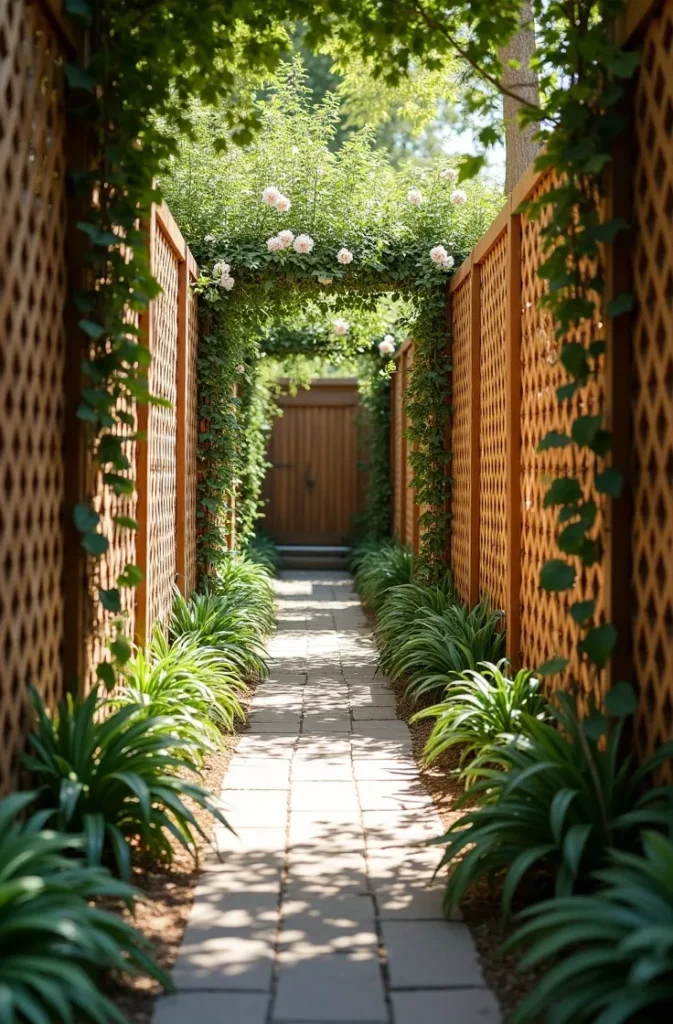
This works best with a climbing plant trained along the panels. Clematis, honeysuckle, or even a lightweight jasmine fill in the gaps over one to two seasons and turn a structural element into a living feature.
The key mistake to avoid here is using panels that are too light for the wind exposure a narrow side yard typically funnels. Use heavier gauge panels or thicker stock, and ensure posts are set at least 24 inches into the ground with concrete footings.
7. Lattice Fence Topper on a Solid Privacy Fence
One of the most practical lattice applications is not a standalone fence at all — it is a lattice topper added above an existing solid wood fence. This combination gives you the privacy of a solid panel at eye level and the airflow and visual softness of lattice above it.
The result is a fence that does not feel like a wall. The lattice section at the top breaks the hard line, reduces wind resistance — which is one of the main causes of fence failure in storm-prone areas — and adds an architectural detail that makes the whole fence look more considered.
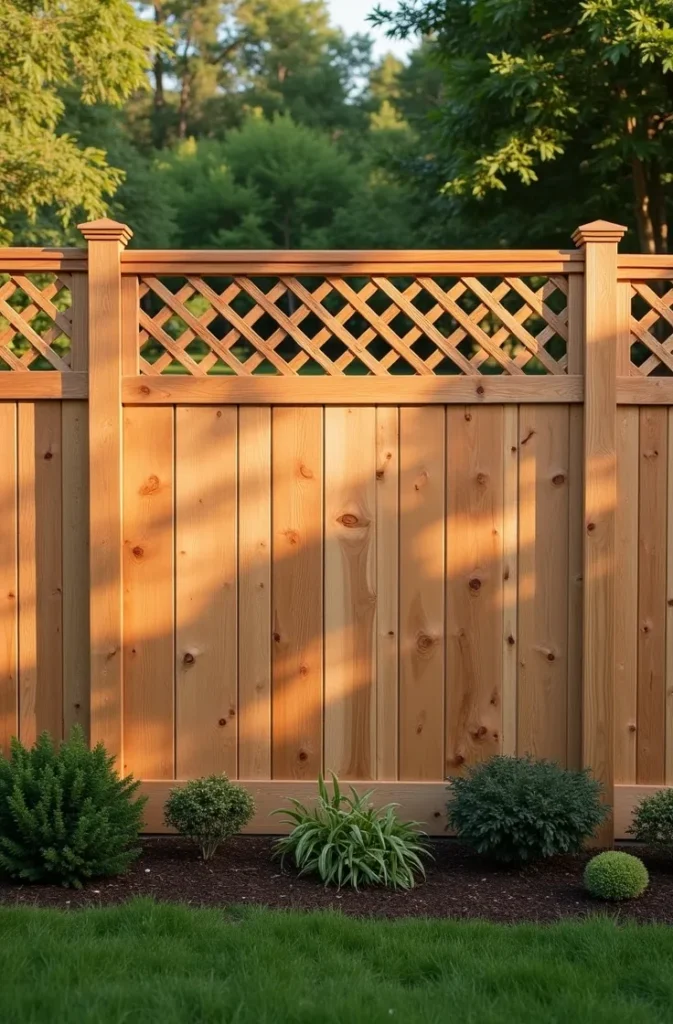
This is particularly useful when you want height without the permit complications that can come with solid fences over a certain measurement. In many jurisdictions, adding a lattice topper that allows light and air passage keeps the structure within standard fence height regulations. Always verify your local code before building.
For the best visual result, match the wood species and stain of the topper to the existing fence rather than painting one and staining the other. Mismatched finishes are the most common reason this combination looks amateur instead of intentional.
8. White Square Grid Lattice as a Patio Ceiling Screen
Lattice does not only belong on vertical surfaces. Mounted horizontally overhead on a pergola or patio structure, square grid lattice creates a filtered ceiling that diffuses harsh sunlight while maintaining an open, airy feel that solid roofing would eliminate.
The square grid pattern works better than diamond for horizontal use because it distributes structural load more evenly and sits flush without the visual tension that diagonal lines create overhead. It also provides a consistent grid for hanging lightweight planters or string lights.
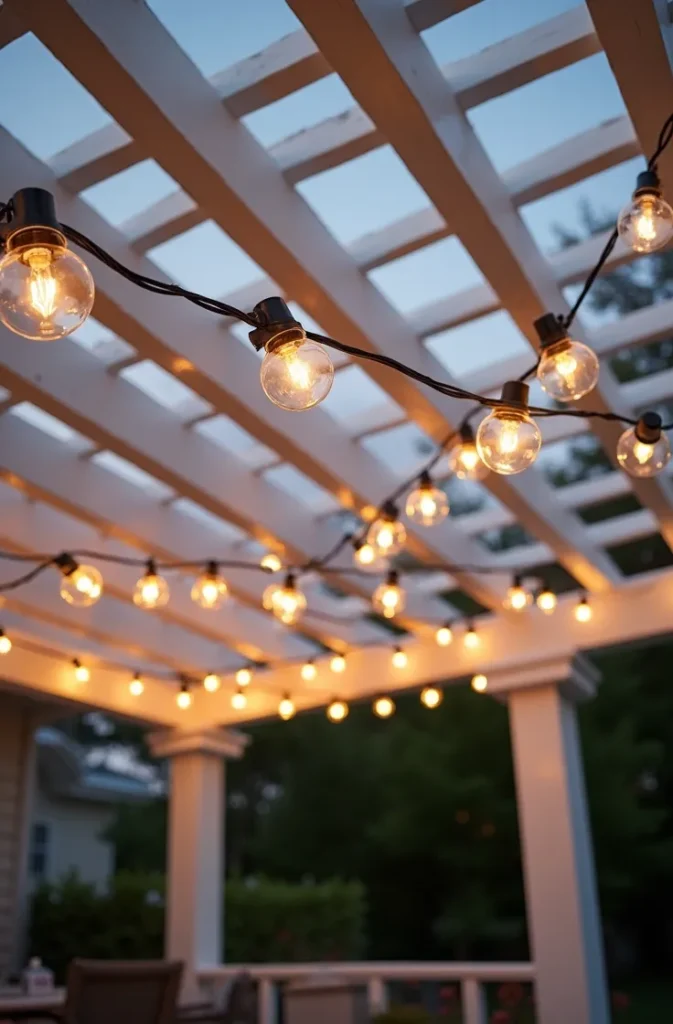
This application suits patios that get direct afternoon sun and need shade without full enclosure. It is also one of the most budget-friendly ways to add overhead structure to an existing concrete or paver patio without building a full pergola roof.
The practical note here is moisture management. Horizontal lattice collects debris and holds moisture longer than vertical panels. Use pressure-treated or cedar stock for horizontal applications, and slope the frame slightly — even half an inch across the width — to encourage water runoff.
9. Stained Dark Walnut Lattice for a Luxury Garden Screen
A deep walnut or espresso stain transforms lattice from a basic garden fixture into a premium design element. Dark stained lattice reads as deliberate and high-end, especially when paired with architectural plants like ornamental grasses, boxwood, or bamboo.
This works best in yards with a contemporary or transitional aesthetic. The dark tone grounds the space, creates strong contrast against light-colored hardscaping, and makes surrounding greenery appear more vivid. It is the same principle used in dark-framed windows — contrast sharpens everything around it.
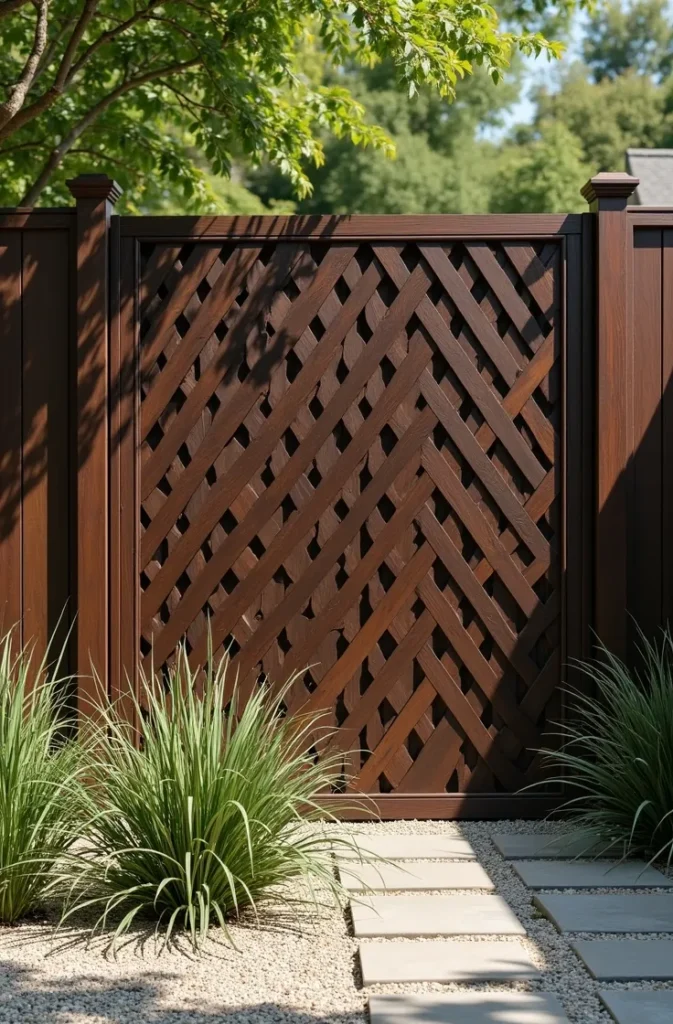
Unlike black paint, a stained finish shows the wood grain through the color, which retains the natural quality of the material. It also tends to hold up better than paint over time because the stain penetrates the wood rather than sitting on the surface where it can crack and peel.
If you are trying to elevate the look of an existing garden without a major renovation, re-staining existing lattice in a deep walnut tone is one of the highest-impact, lowest-cost updates available.
10. Freestanding Lattice Panel as a Portable Privacy Solution
Not every yard or situation calls for a fixed, permanent fence. Freestanding lattice panels — framed in wood or metal and weighted at the base — offer a flexible privacy solution for renters, temporary spaces, patios without attachment points, or homeowners who want to test a layout before committing.
A single freestanding panel at 6 feet tall placed at the corner of a patio can block the main sightline from a street or neighbor without any installation whatsoever. Two panels angled in an L-shape create a private corner that works as an outdoor room without walls.
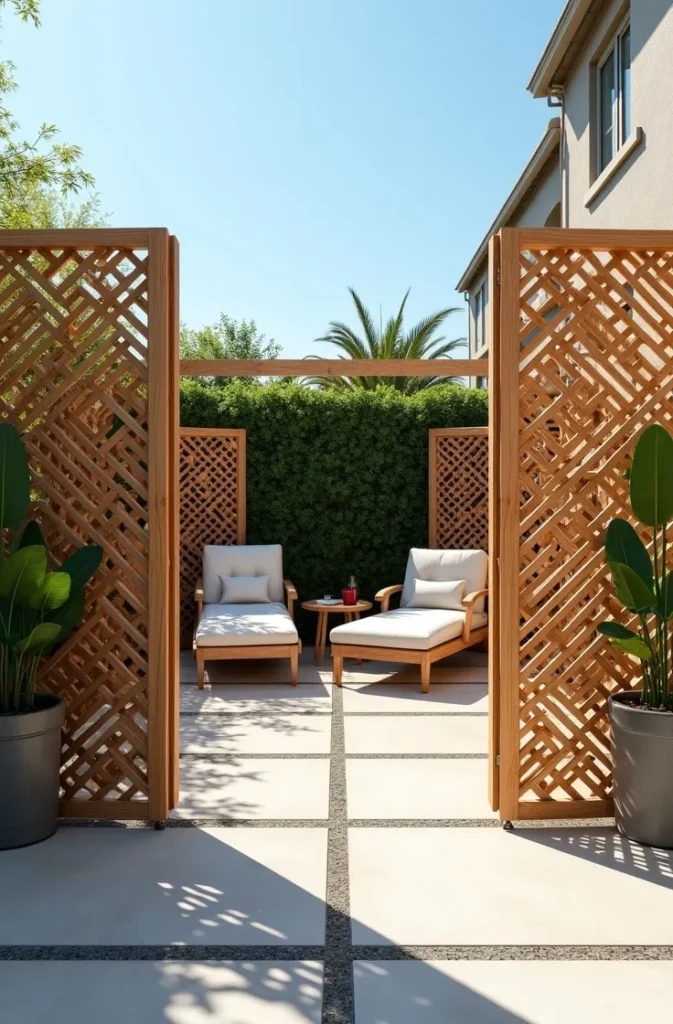
The design flexibility here is significant. You can rotate, reposition, or remove the panels seasonally. You can use them to frame a seating area in summer and store them flat in winter. For renters or anyone in a transitional living situation, freestanding lattice is the most practical privacy solution available.
For stability, the base needs weight. Use cast iron planter bases, concrete ballast blocks, or wide low planters filled with soil. Panels that tip in wind are the single biggest problem with freestanding designs, and it is entirely avoidable with the right base.
Final Thoughts
Lattice fence inspirations range from simple garden borders to architectural privacy screens, and the right choice depends entirely on your space, your climate, and how much maintenance you want to take on. The ideas in this guide cover a wide range of styles, materials, and use cases to help you move from browsing to deciding.
Save this post before you start shopping — having a reference point when you are standing in a lumber yard or scrolling product listings makes the decision significantly easier. If you are still exploring, look into lattice combined with raised garden beds or pergola integration for more ideas on how this material can do more than one job in a single outdoor space.