If you’re searching for fresh wall decor for living room 2026, you’ve likely noticed that what worked five years ago feels tired and overdone today. This guide cuts through the noise and gives you 15 practical, design-forward ideas — each one chosen to help you make a confident decision based on your space, style, and budget range.
1. Oversized Single-Panel Art That Anchors the Entire Wall
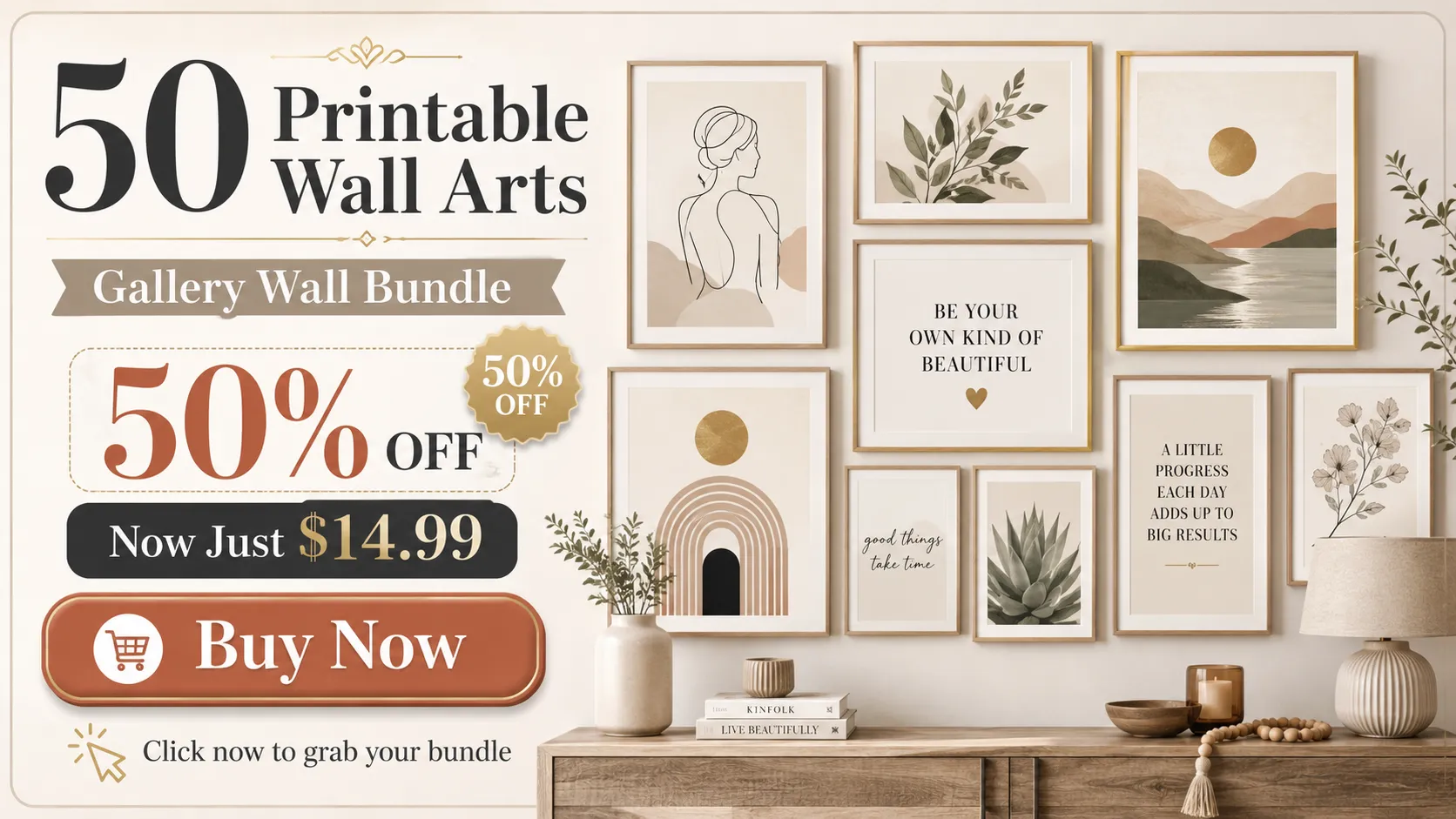
One large-scale artwork does more for a living room than six small frames ever will. When a single piece spans at least two-thirds of your wall width, it creates an instant focal point that makes the room feel intentional and curated. This approach works especially well in open-plan spaces where the wall needs to compete visually with other zones.
Choose abstract art in neutral or earth tones if your furniture is already patterned. Go bold with color only if your seating and rugs are solid. The most common mistake here is hanging the piece too high — the center of the artwork should sit at approximately 57 to 60 inches from the floor, which is standard eye level for most adults in the USA.
This idea is ideal for minimalist and modern interiors. If your room already has a lot going on, one oversized piece actually simplifies the space rather than adding clutter.
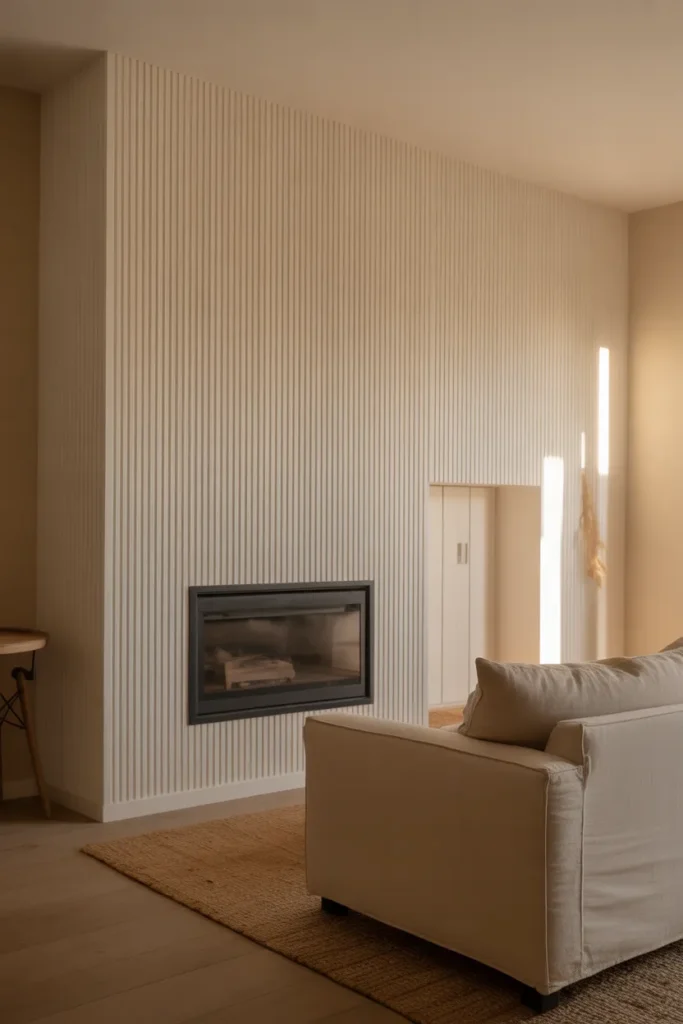
2. Textured Wall Panels That Add Depth Without Paint
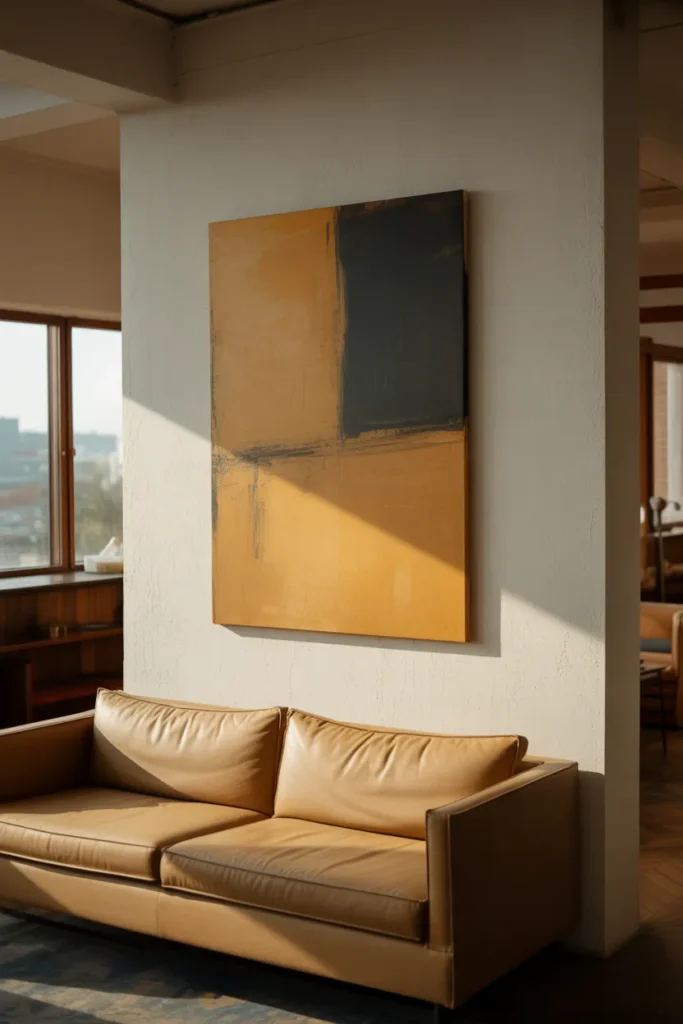
Textured panels — whether fluted wood, plaster relief, or 3D MDF — are one of the biggest living room wall decor trends moving into 2026. They solve a very specific problem: flat, featureless walls that feel unfinished even after furniture is in place.
Fluted wood panels in white oak or walnut work particularly well on the wall behind a sofa or TV console. They add warmth, shadow play, and architectural detail without requiring a full renovation. Unlike wallpaper, they hold up to humidity changes common in many USA climates and photograph extremely well for those who care about their home’s visual presence.
Avoid installing textured panels on all four walls. One accent wall is the rule. Overuse kills the effect and makes the room feel chaotic rather than designed.
3. Gallery Walls Done Right: Structured Grid Format
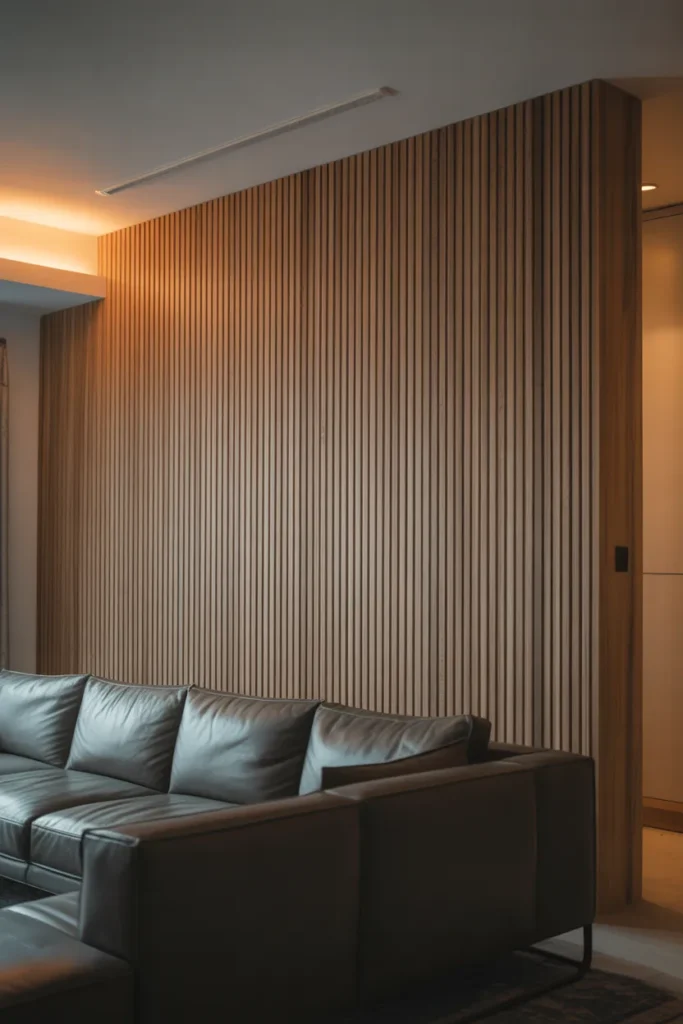
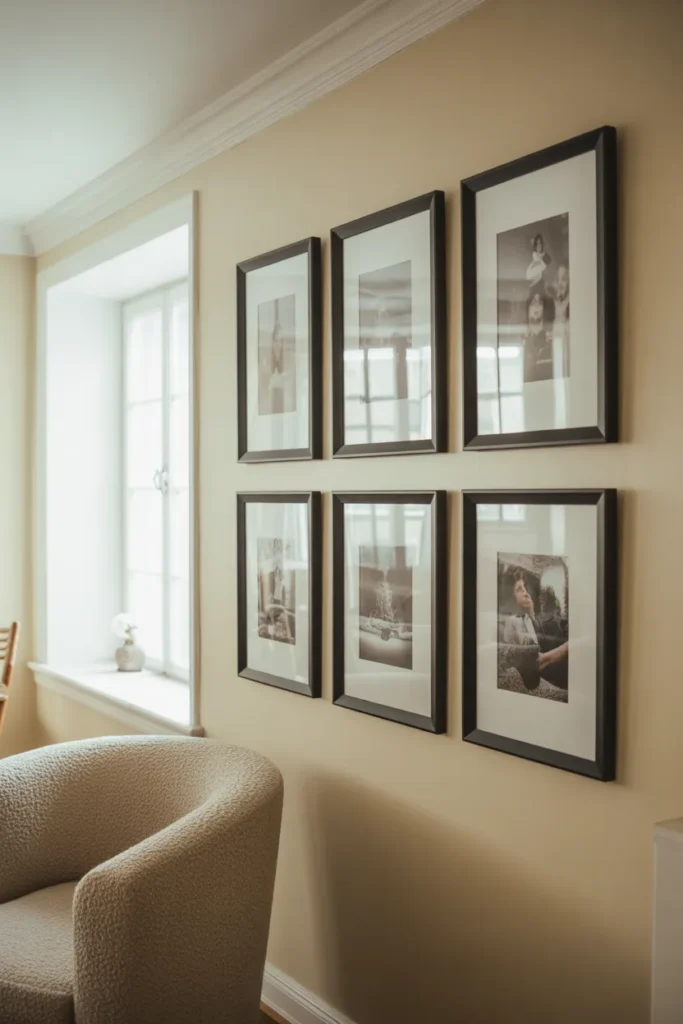
Random gallery walls feel outdated. In 2026, the gallery wall that works is grid-based — clean rows and columns with consistent frame sizes and equal spacing. This approach suits transitional and contemporary homes that want visual interest without visual noise.
Use a single frame finish throughout, either all black, all brass, or all natural wood. Mix subject matter — photography, line art, abstract prints — but keep the mat color consistent. White or off-white mats unify even the most eclectic print mix.
The grid gallery works best on walls that are at least six feet wide. On narrow walls, a vertical stack of three frames is a cleaner solution. Mapping your layout on paper or using paper templates on the wall before nailing is not optional — it is the step most people skip and regret.
4. Shelf Styling as Wall Decor: The Functional Display Wall
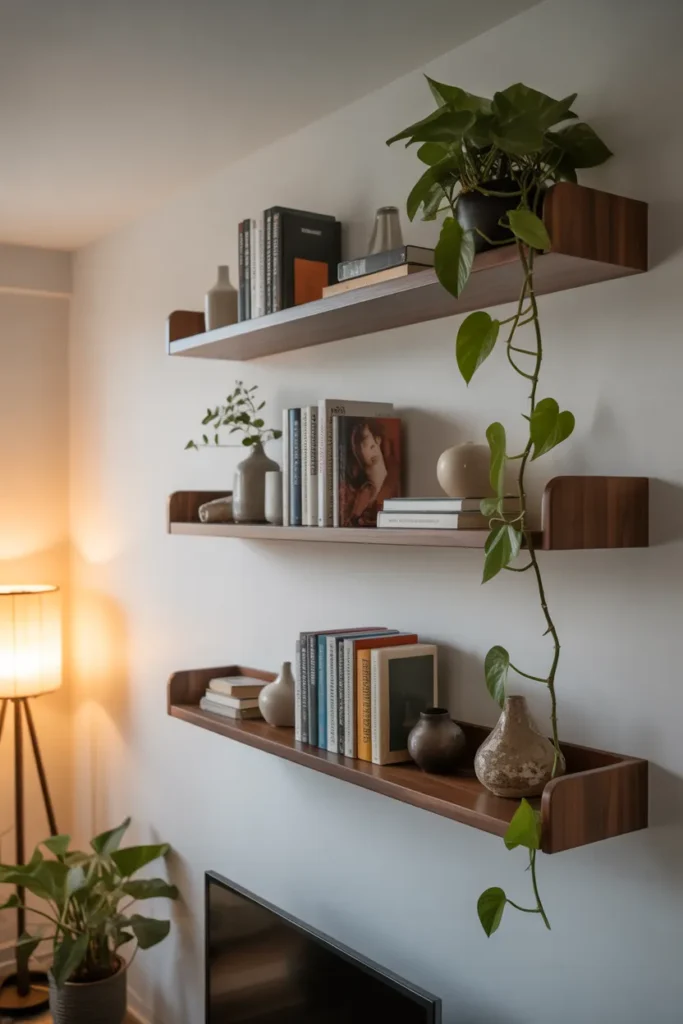
Built-in or floating shelves styled with a deliberate mix of books, objects, and greenery function as living wall decor that you can change seasonally. This is particularly valuable in small living rooms where every surface needs to serve double duty.
The rule that makes shelf styling work is the rule of odd numbers and varying heights. Group items in threes, vary the height of each grouping, and leave breathing room between clusters. Resist the urge to fill every inch. Empty shelf space is not wasted — it is what makes the curated items visible.
For apartments and smaller USA homes, this approach also avoids the commitment of nails in drywall and works well with renters. Floating shelves in white or natural wood are the most versatile choice for resale or rental staging.
5. Arch-Framed Wall Niche With Integrated Lighting
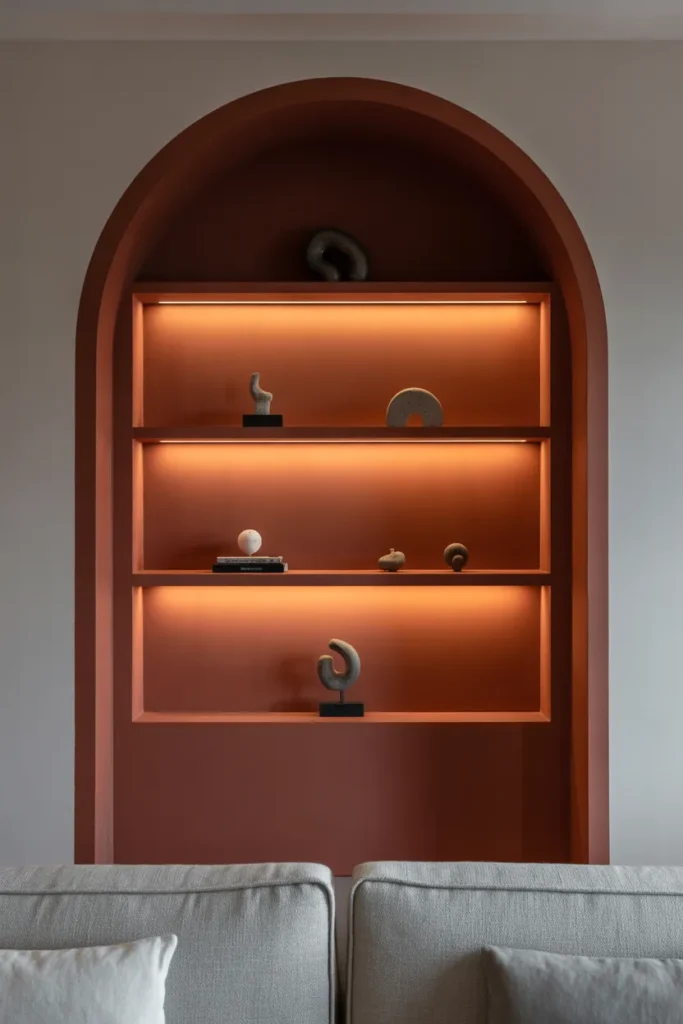
Architectural niches with arched tops and built-in lighting are moving from high-end design projects into mainstream living rooms in 2026. If you have the budget for minor drywall work, this is one of the highest-impact changes you can make to a plain wall.
The niche does not need to be deep to be effective. Even a four-inch recess with a warm LED strip at the top creates shadow, depth, and a display space that feels genuinely custom. Paint the inside of the niche in a contrasting color — deep navy, terracotta, or forest green — against white walls for maximum visual drama.
This works best in living rooms with ceiling heights of nine feet or more. In rooms with standard eight-foot ceilings, a rectangular niche works better proportionally than an arch.
6. Vintage Mirror Groupings for Light and Visual Space
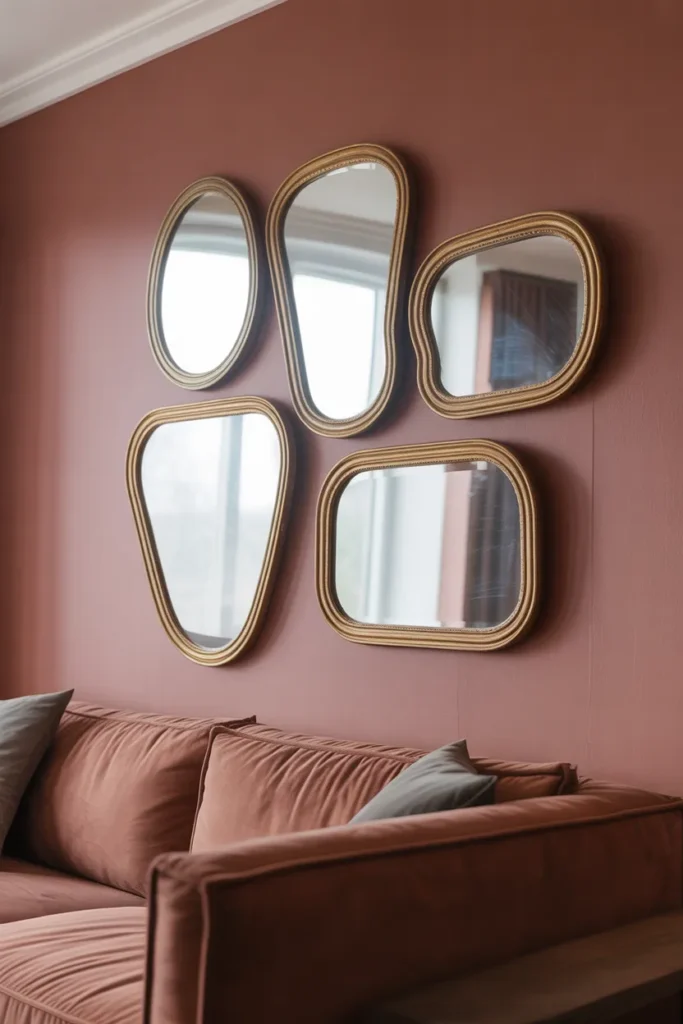
Mirrors grouped together on a living room wall serve two practical purposes: they bounce light into darker spaces and they create the perception of a larger room. In 2026, the style shift is away from single large mirrors and toward a curated cluster of vintage or varied-frame mirrors in complementary shapes.
Mix round, oval, and rectangular mirrors within a tight grouping. Keep the frames within the same finish family — all aged brass, all painted white, or all raw wood — even if the shapes vary. The variation in shape is enough contrast. Varying both shape and finish tips the look into chaos.
This idea is particularly effective on walls adjacent to windows in north-facing living rooms common in USA homes where natural light is limited. The mirrors amplify whatever light exists without adding electrical costs.
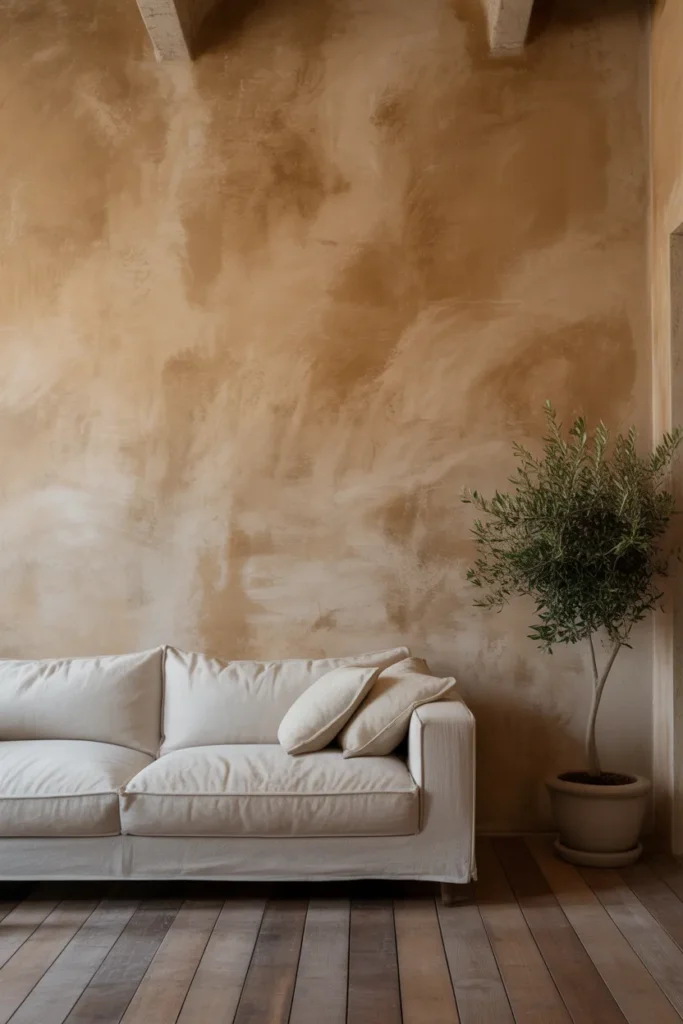
7. Limewash or Plaster-Effect Paint as the Decor Itself
Sometimes the most powerful wall decor for a living room is the wall treatment itself. Limewash paint and Venetian plaster effects create organic, layered texture that changes appearance depending on the time of day and direction of light.
This technique is having a major resurgence in 2026 because it solves a problem many homeowners have: a room that feels flat despite good furniture. The movement and depth of limewash creates visual interest without adding any objects to the wall. It works in both boho and modern interiors depending on the color chosen.
Limewash in warm whites, aged clay, or soft sage reads as elevated and calm. Avoid overly saturated colors, which tend to look harsh once the mottled texture is applied. This is also one of the more DIY-accessible wall treatments compared to full plaster work.
8. Vertical Shiplap or Board-and-Batten for Modern Farmhouse Walls
Board-and-batten and shiplap applied vertically rather than horizontally is a significant update to a well-established American interior style. Vertical application draws the eye upward, making ceilings feel higher — a particularly useful trick in ranch-style homes and bungalows common across the USA.
Painted in soft white, warm greige, or even a deep moody color, a vertical board wall becomes a full design statement that replaces the need for any additional wall decor. It also adds subtle architectural value to the home, which matters for resale.
This works best when applied to one wall only — typically the wall behind the sofa or the fireplace wall. Full-room application overwhelms most living room sizes and removes the contrast that makes the treatment effective.
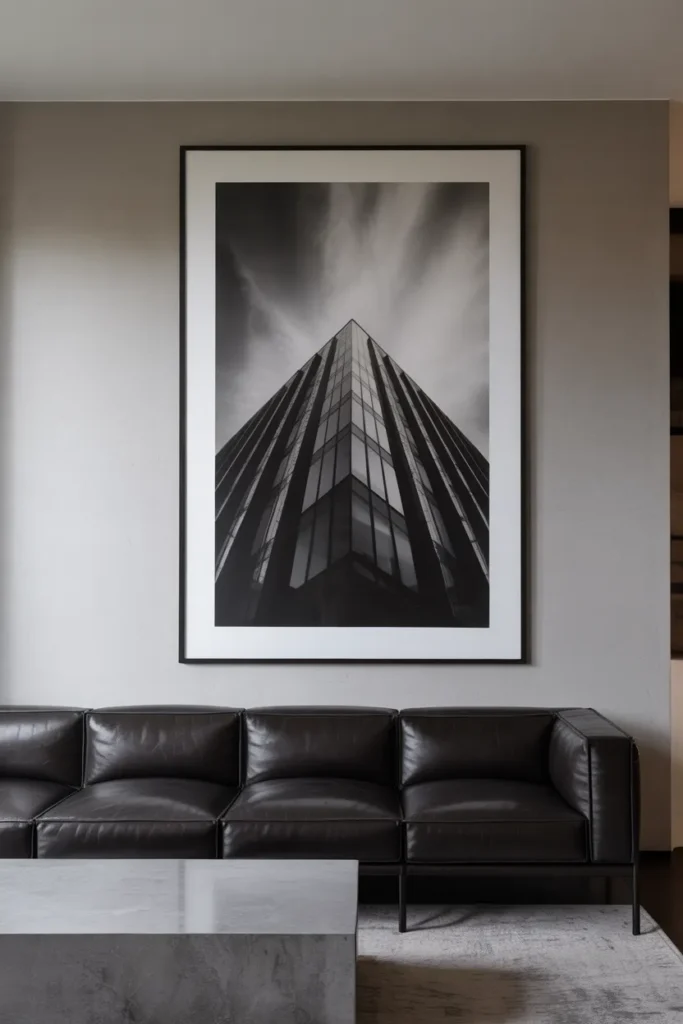
9. Large-Format Black and White Photography Prints
High-contrast black and white photography at large scale — think 24×36 inches or larger — brings a level of editorial sophistication to living rooms that color art often cannot. It works across nearly every design style because it is tonally neutral while still being visually strong.
The subject matter matters more than people realize. Architectural photography, landscape photography, and abstract close-ups hold up far better at large scale than portraits or event photography. Prints should be properly framed — either in a wide white mat with a thin black frame, or frameless behind acrylic for a more modern result.
This is an especially good solution for living rooms with neutral, monochromatic color schemes where a color print would either clash or disappear. It adds contrast and weight without introducing a color you have to decorate around.
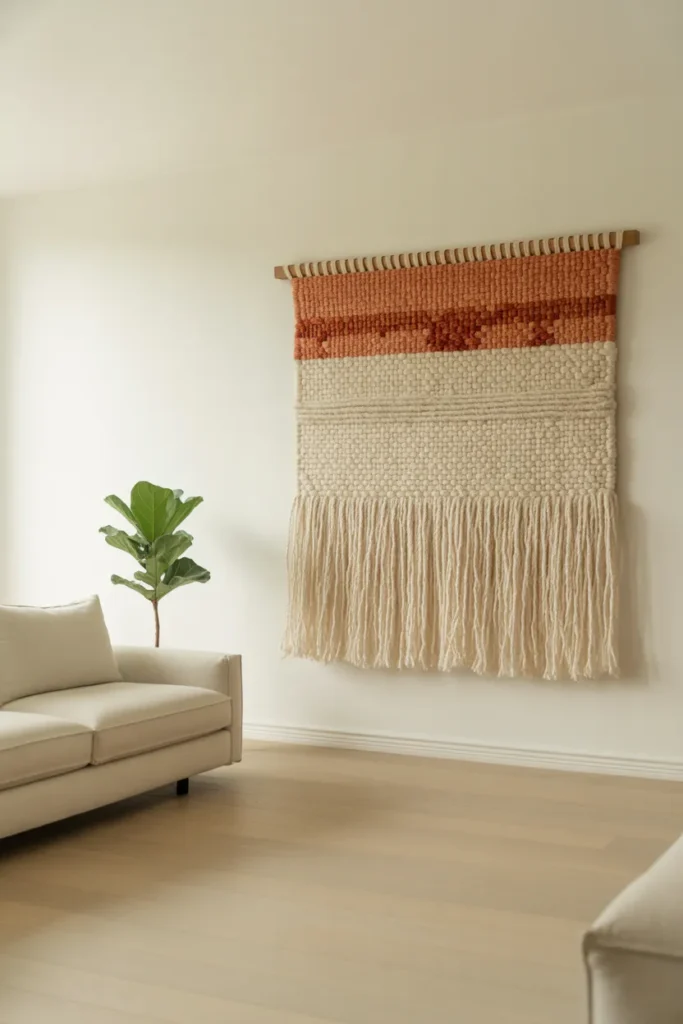
10. Woven Wall Hangings for Texture in Minimal Rooms
Woven textile wall hangings have evolved well past the bohemian macrame phase. In 2026, the woven pieces that feel current are tighter in weave, more restrained in palette, and larger in scale — functioning more like textile art than craft decoration.
A woven piece in natural ivory, warm sand, or muted rust adds tactile texture to minimal living rooms that feel cold or sterile despite good bones. It also works as sound absorption in rooms with hard floors and high ceilings — a practical benefit that rarely gets mentioned.
Hang a woven piece on its own with generous surrounding wall space rather than competing with other art. The texture needs room to breathe visually. This is one of the easier and more affordable options on this list and ships well from most online retailers.
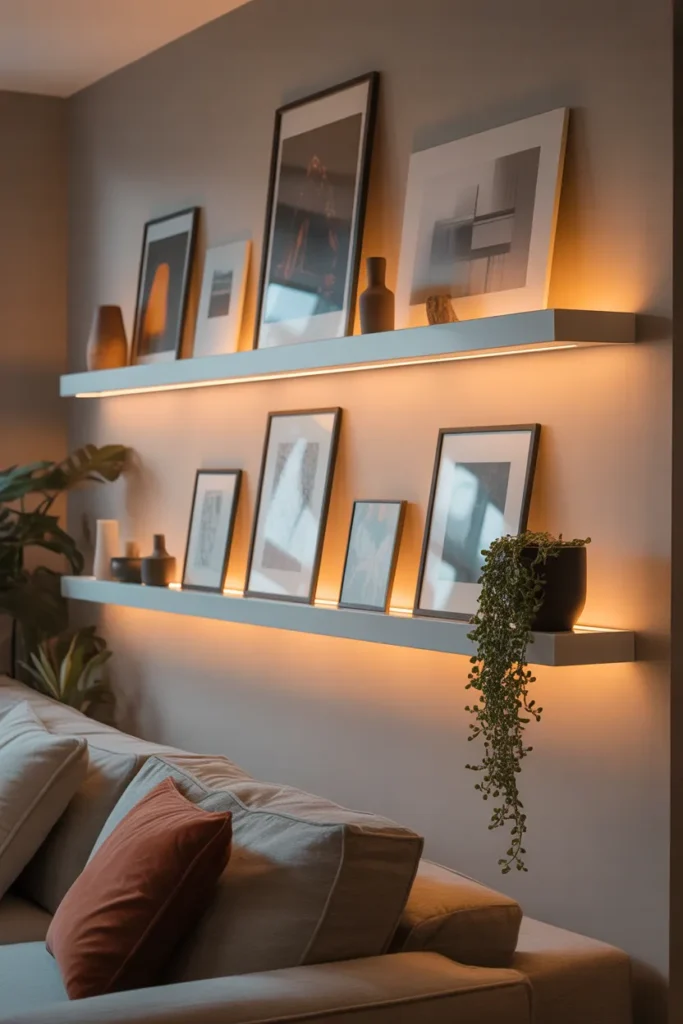
11. Floating Ledge Shelves for Rotating Art Display
Picture ledges — narrow floating shelges at a single horizontal line — allow you to rotate artwork, prints, and objects without ever putting a new nail in the wall. This is one of the most practical and underused wall decor strategies for living rooms where taste evolves frequently.
Install one or two ledges at different heights rather than a single line of three stacked ledges. Layer prints at different heights on the ledge, leaning them slightly back for stability. Mix framed prints with small sculptural objects and a plant or two at the ends.
This approach particularly suits renters, design-forward homeowners who refresh their decor seasonally, and those who have not yet committed to a permanent art direction. It is also budget-efficient because it separates the cost of the hardware from the cost of the art.
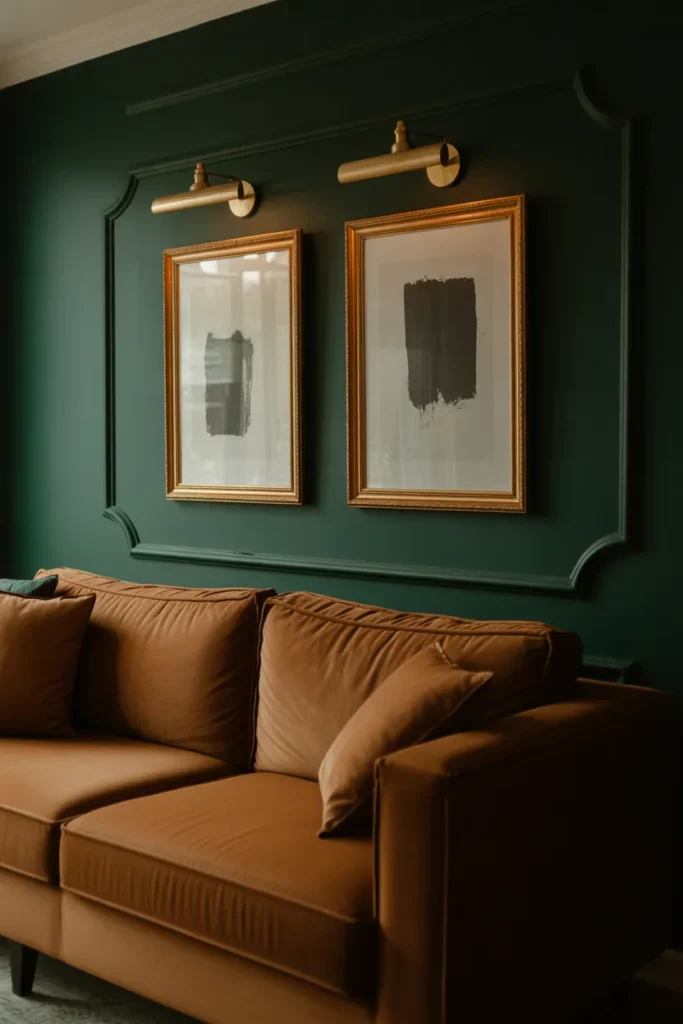
12. Dark Accent Wall With Warm Metallic Art Accents
A deep, dark accent wall — in charcoal, near-black navy, or deep forest green — paired with warm metallic accents in brass or bronze is one of the most sophisticated directions in living room wall decor for 2026. It creates a dramatically different atmosphere from the all-white or light-neutral walls that dominated the previous decade.
On the dark wall, hang art in warm gold frames or light-value prints that contrast against the depth of the wall color. Avoid cold-finish metals like chrome or brushed nickel, which fight the warmth of the dark wall palette. Sconces mounted directly on the dark wall also reinforce the intentional, layered effect.
This approach works best in living rooms that receive moderate to good natural light during the day. Dark accent walls in north-facing rooms with limited light can feel oppressive rather than dramatic. Test with large paint samples before committing.
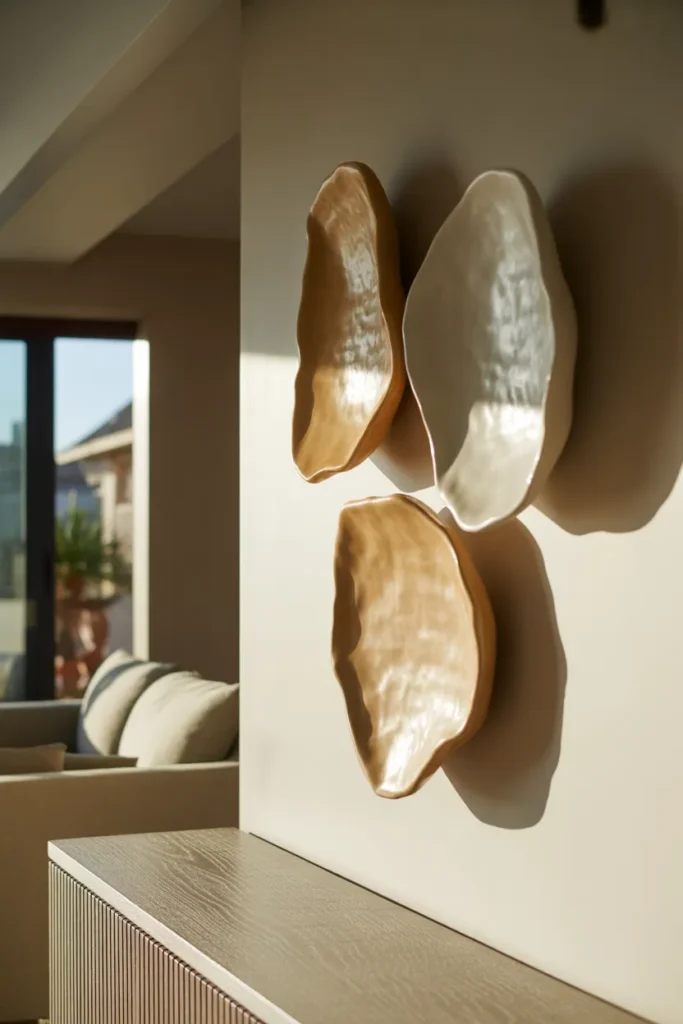
13. Sculptural Wall Objects and 3D Wall Art
Flat prints are not the only option. Three-dimensional wall sculptures — in ceramic, resin, metal, or hand-formed plaster — are gaining serious traction in USA living rooms heading into 2026 because they introduce shadow, dimensionality, and an artisanal quality that flat prints cannot match.
A single ceramic wall sculpture or a small grouping of 3D relief pieces works especially well above a console table or sideboard, creating a vignette that reads as gallery-quality. The three-dimensionality shows up well in natural side lighting, which changes the piece throughout the day.
The key distinction from craft-fair wall decor is scale and material quality. Choose pieces that are large enough to read from across the room and made from materials that hold detail — raw ceramic, hammered metal, or cast resin are all strong choices.
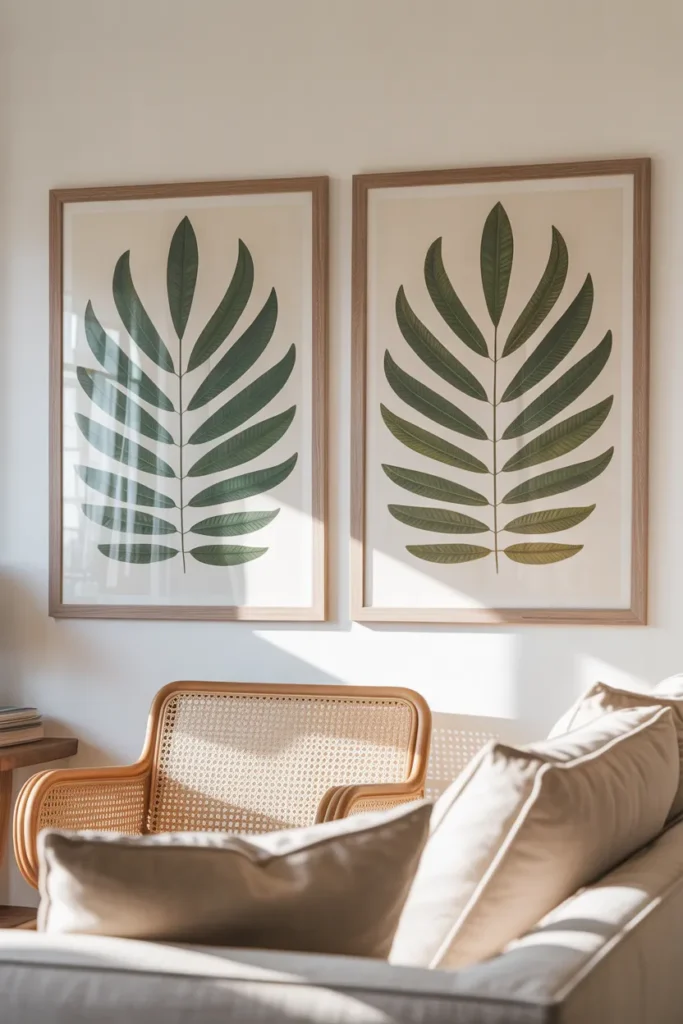
14. Botanical and Nature-Inspired Large Prints for Organic Warmth
Large botanical prints — oversized leaf studies, tropical plant photography, or nature-abstracted illustrations — are a durable and practical choice for living rooms that need warmth and color without committing to a bold art direction.
In 2026, the botanical prints that feel current are not the ornate Victorian herbarium style but rather clean, modern renderings with generous white space, simple line quality, and a limited palette. Framed in natural wood or simple black frames at large scale, they bring organic warmth to both modern and transitional living rooms.
This is a good solution for living rooms with cool-toned furniture or gray-heavy color schemes, where the green and natural tones of botanical prints add life and warmth. It also resonates strongly with the biophilic design direction that continues to influence USA home decor.
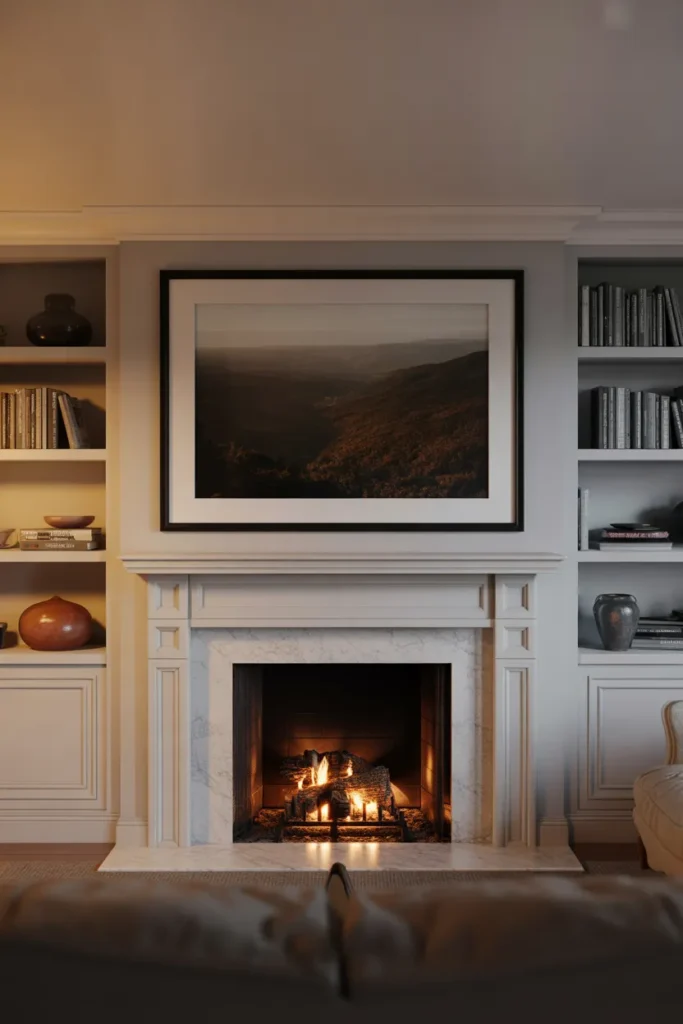
15. Integrated Fireplace Wall With Built-In Shelving and Art Zone
For living rooms with a fireplace, the entire fireplace wall deserves to be treated as one unified design composition rather than a collection of separate decisions. This means integrating the mantel, flanking built-ins, and an art piece above the fireplace into a single cohesive wall arrangement.
The art above the fireplace should be proportional to the mantel width — ideally the same width or slightly narrower. Built-in shelves flanking the fireplace should be styled with restraint: a mix of books, a few objects, and one trailing plant per side. The mistake most people make is overloading the shelves and competing with the fireplace itself, which should remain the visual anchor.
This approach works in both traditional and modern homes and represents one of the highest-return investments in living room wall decor because it frames the room’s natural focal point rather than creating a competing one.
Final Thoughts
These 15 ideas cover the full range of what makes wall decor for living room 2026 work in real homes — not just in styled photoshoots. Whether you are working with a rental apartment, a new build, or an older home that needs a refresh, there is a practical direction here that fits your constraints.
Save this post to your Pinterest boards so you can refer back to specific ideas when you are ready to shop or plan. Each idea above is designed to help you make a confident decision, not just collect inspiration. If you are still narrowing down your direction, revisit the sections that match your room size and lighting — those two factors will guide you to the right choice faster than style preference alone.